Data may be outdated
Last updated: 9 months ago — Click refresh to get the latest statistics.
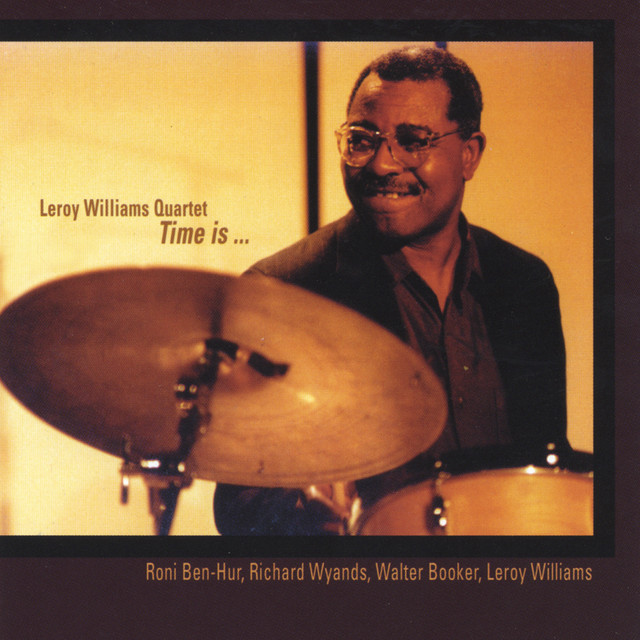
Some very fine jazz musicians never lead a band or a recording session, instead spending their careers as sidemen making other people sound good. Drummers, in particular, tend not to be full-time leaders (<a href="spotify:artist:6QQuESLtKhAOcLW2TeWC2t">Art Blakey</a>, <a href="spotify:artist:4dUMhhUjQ2YcNTvab29hYF">Elvin Jones</a>, and <a href="spotify:artist:6jrlNnS5B830kpi40j3S6g">Max Roach</a> notwithstanding), probably because there's such a heavy demand for their services. Leroy Williams is a prime example; a musician' musician if ever there was one, Williams played in the bands of <a href="spotify:artist:4PDpGtF16XpqvXxsrFwQnN">Thelonious Monk</a>, <a href="spotify:artist:1VEzN9lxvG6KPR3QQGsebR">Sonny Rollins</a>, <a href="spotify:artist:3ZppcUE7tHnE6SzUR4ipSy">Booker Ervin</a>, <a href="spotify:artist:0oJCbLnXR9ZfTkwxO9tVNn">Clifford Jordan</a>, <a href="spotify:artist:0FMucZsEnCxs5pqBjHjIc8">Stan Getz</a>, and <a href="spotify:artist:5cbutZUQE7SUCA6MsEMbBv">Hank Mobley</a>, to name only a few -- the complete list is long and impressive.
Mostly self-taught, Williams began playing drums in his teens. He played with pianist <a href="spotify:artist:29aAY67VekXjv4AeAUUGXH">Judy Roberts</a> for several years beginning around 1959. He moved to New York in the mid-'60s and played with tenor saxophonist <a href="spotify:artist:3ZppcUE7tHnE6SzUR4ipSy">Ervin</a> in 1967. The next year he played with <a href="spotify:artist:6Jm8KViMNCuYjzrO1hJkcT">Rollins</a>, tenor saxophonist <a href="spotify:artist:7C2DSqaNkh0w77O5Jz1FKh">Archie Shepp</a> (at the Newport Jazz Festival), and tenor saxophonist <a href="spotify:artist:2mBoEYescv3YHDG5rH6uKd">Jordan</a>. In 1969, Williams began a long-standing association with <a href="spotify:artist:5IgSjABjN0VorY1Vo41ivX">Barry Harris</a>, recording the first of several albums with the pianist. He played with tenor saxophonist <a href="spotify:artist:5cbutZUQE7SUCA6MsEMbBv">Mobley</a> and bassist <a href="spotify:artist:4NWHLPe11EOyvjbxXprtzK">Wilbur Ware</a> in 1970; he also got the job with <a href="spotify:artist:4PDpGtF16XpqvXxsrFwQnN">Monk</a> that year (probably through <a href="spotify:artist:4NWHLPe11EOyvjbxXprtzK">Ware</a>, who was also in the band). Williams toured with <a href="spotify:artist:4PDpGtF16XpqvXxsrFwQnN">Monk</a> that summer; he left just prior to an October tour of Japan, replaced by <a href="spotify:artist:5X4Izq2I8ct81gKjnHhNLr">Lenny McBrowne</a>. During the '70s, he freelanced with such leaders as tenor saxophonist <a href="spotify:artist:33XkS6h90eeK7e6OJHw0mq">Yusef Lateef</a>, pianist <a href="spotify:artist:617L0tV5Y7lMvUHGHR43AR">Ray Bryant</a>, and saxophonist <a href="spotify:artist:6iRat96avb9tai5DCUZ7qf">Charles McPherson</a>; also <a href="spotify:artist:0FMucZsEnCxs5pqBjHjIc8">Getz</a>, pianist <a href="spotify:artist:4ORSNkNYSzva169PBZCzvy">Andrew Hill</a>, saxophonists <a href="spotify:artist:217b0uqAzsOOhGcnoANZqj">Sonny Stitt</a>, <a href="spotify:artist:5tOQYJ46QiQpCWqsVqHexe">Junior Cook</a>, <a href="spotify:artist:4yPUoMbYxVJ6XNJWZVJV7Y">Al Cohn</a>, <a href="spotify:artist:6epXhvywkJ2aWjO6e5LJ0U">Buddy Tate</a>, and <a href="spotify:artist:38ft9KbJkq7eEVAxWt9yOs">Bob Wilber</a>, among many others. In the '80s, he combined with bassist <a href="spotify:artist:77Cyky7bVlWY7RxhTK0yo6">Art Davis</a> to form a rhythm section for two different pianists, <a href="spotify:artist:5IgSjABjN0VorY1Vo41ivX">Barry Harris</a> and <a href="spotify:artist:6dUZplQfg5blo0h9HiJ94d">Tommy Flanagan</a>. He also recorded with trombonist <a href="spotify:artist:1fJEAxQLhUQdBmUjsj3vIF">Steve Turre</a> and trumpeter <a href="spotify:artist:6UtT3cQVj0QgdZ89f5br5I">Bill Hardman</a>. In the early '90s, he recorded with alto saxophonist <a href="spotify:artist:4YNvbaOaqp5pzC5US5t48k">Lee Konitz</a>, and also <a href="spotify:artist:3UXq4fckDmcPmleixlrl6i">Anthony Braxton</a> on one of the avant-gardist's "standards" projects.
By the mid-'90s, most of the legends Williams had played with were gone, but he remained active, playing with a new generation of bop-oriented players including saxophonist <a href="spotify:artist:0XgULGnRJGGorwVrKbkDTu">Ralph Lalama</a> and pianist <a href="spotify:artist:6Dy9274WqIHHESHNhLxkCQ">Pete Malinverni</a>. At the turn of the decade, Williams was a member of the cooperative band el Mollenium, which also included guitarist <a href="spotify:artist:7jqV5V4sPGJpEilZ6as1Ju">Roni Ben-hur</a>, pianist <a href="spotify:artist:1pupkjFf2xIMamy0gt7z3c">Bertha Hope</a>, and bassist <a href="spotify:artist:48MnvAc0rqfEfQ8hYgHIf9">Walter Booker</a>. The band is devoted largely to interpreting the music of <a href="spotify:artist:1pupkjFf2xIMamy0gt7z3c">Hope'</a>s late husband, the pianist <a href="spotify:artist:04cRG6y8vsZNbbCqfoopz6">Elmo Hope</a>. ~ Chris Kelsey, Rovi
Mostly self-taught, Williams began playing drums in his teens. He played with pianist <a href="spotify:artist:29aAY67VekXjv4AeAUUGXH">Judy Roberts</a> for several years beginning around 1959. He moved to New York in the mid-'60s and played with tenor saxophonist <a href="spotify:artist:3ZppcUE7tHnE6SzUR4ipSy">Ervin</a> in 1967. The next year he played with <a href="spotify:artist:6Jm8KViMNCuYjzrO1hJkcT">Rollins</a>, tenor saxophonist <a href="spotify:artist:7C2DSqaNkh0w77O5Jz1FKh">Archie Shepp</a> (at the Newport Jazz Festival), and tenor saxophonist <a href="spotify:artist:2mBoEYescv3YHDG5rH6uKd">Jordan</a>. In 1969, Williams began a long-standing association with <a href="spotify:artist:5IgSjABjN0VorY1Vo41ivX">Barry Harris</a>, recording the first of several albums with the pianist. He played with tenor saxophonist <a href="spotify:artist:5cbutZUQE7SUCA6MsEMbBv">Mobley</a> and bassist <a href="spotify:artist:4NWHLPe11EOyvjbxXprtzK">Wilbur Ware</a> in 1970; he also got the job with <a href="spotify:artist:4PDpGtF16XpqvXxsrFwQnN">Monk</a> that year (probably through <a href="spotify:artist:4NWHLPe11EOyvjbxXprtzK">Ware</a>, who was also in the band). Williams toured with <a href="spotify:artist:4PDpGtF16XpqvXxsrFwQnN">Monk</a> that summer; he left just prior to an October tour of Japan, replaced by <a href="spotify:artist:5X4Izq2I8ct81gKjnHhNLr">Lenny McBrowne</a>. During the '70s, he freelanced with such leaders as tenor saxophonist <a href="spotify:artist:33XkS6h90eeK7e6OJHw0mq">Yusef Lateef</a>, pianist <a href="spotify:artist:617L0tV5Y7lMvUHGHR43AR">Ray Bryant</a>, and saxophonist <a href="spotify:artist:6iRat96avb9tai5DCUZ7qf">Charles McPherson</a>; also <a href="spotify:artist:0FMucZsEnCxs5pqBjHjIc8">Getz</a>, pianist <a href="spotify:artist:4ORSNkNYSzva169PBZCzvy">Andrew Hill</a>, saxophonists <a href="spotify:artist:217b0uqAzsOOhGcnoANZqj">Sonny Stitt</a>, <a href="spotify:artist:5tOQYJ46QiQpCWqsVqHexe">Junior Cook</a>, <a href="spotify:artist:4yPUoMbYxVJ6XNJWZVJV7Y">Al Cohn</a>, <a href="spotify:artist:6epXhvywkJ2aWjO6e5LJ0U">Buddy Tate</a>, and <a href="spotify:artist:38ft9KbJkq7eEVAxWt9yOs">Bob Wilber</a>, among many others. In the '80s, he combined with bassist <a href="spotify:artist:77Cyky7bVlWY7RxhTK0yo6">Art Davis</a> to form a rhythm section for two different pianists, <a href="spotify:artist:5IgSjABjN0VorY1Vo41ivX">Barry Harris</a> and <a href="spotify:artist:6dUZplQfg5blo0h9HiJ94d">Tommy Flanagan</a>. He also recorded with trombonist <a href="spotify:artist:1fJEAxQLhUQdBmUjsj3vIF">Steve Turre</a> and trumpeter <a href="spotify:artist:6UtT3cQVj0QgdZ89f5br5I">Bill Hardman</a>. In the early '90s, he recorded with alto saxophonist <a href="spotify:artist:4YNvbaOaqp5pzC5US5t48k">Lee Konitz</a>, and also <a href="spotify:artist:3UXq4fckDmcPmleixlrl6i">Anthony Braxton</a> on one of the avant-gardist's "standards" projects.
By the mid-'90s, most of the legends Williams had played with were gone, but he remained active, playing with a new generation of bop-oriented players including saxophonist <a href="spotify:artist:0XgULGnRJGGorwVrKbkDTu">Ralph Lalama</a> and pianist <a href="spotify:artist:6Dy9274WqIHHESHNhLxkCQ">Pete Malinverni</a>. At the turn of the decade, Williams was a member of the cooperative band el Mollenium, which also included guitarist <a href="spotify:artist:7jqV5V4sPGJpEilZ6as1Ju">Roni Ben-hur</a>, pianist <a href="spotify:artist:1pupkjFf2xIMamy0gt7z3c">Bertha Hope</a>, and bassist <a href="spotify:artist:48MnvAc0rqfEfQ8hYgHIf9">Walter Booker</a>. The band is devoted largely to interpreting the music of <a href="spotify:artist:1pupkjFf2xIMamy0gt7z3c">Hope'</a>s late husband, the pianist <a href="spotify:artist:04cRG6y8vsZNbbCqfoopz6">Elmo Hope</a>. ~ Chris Kelsey, Rovi
Monthly Listeners
1,574
Monthly Listeners History
Track the evolution of monthly listeners over the last 28 days.
Followers
267
Followers History
Track the evolution of followers over the last 28 days.
Top Cities
26 listeners

23 listeners

22 listeners

20 listeners
18 listeners

Related Artists


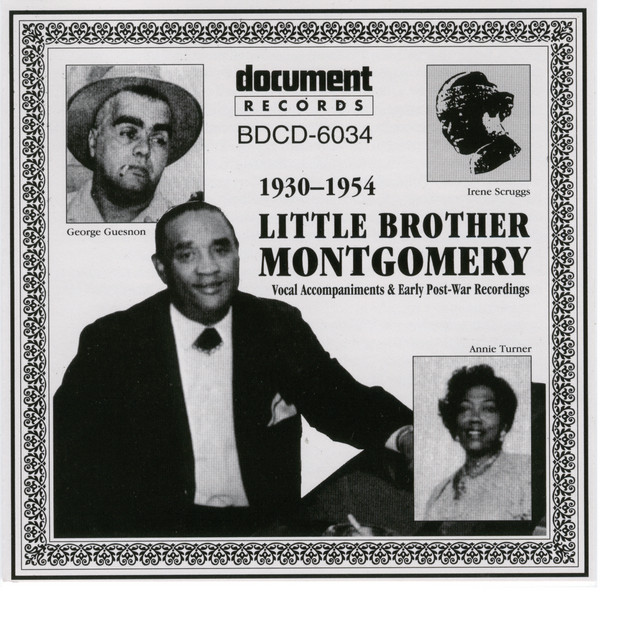
Little Brother Montgomery
Daniel Gugolz

Tuts Washington



Butch Thompson