Data may be outdated
Last updated: 9 months ago — Click refresh to get the latest statistics.
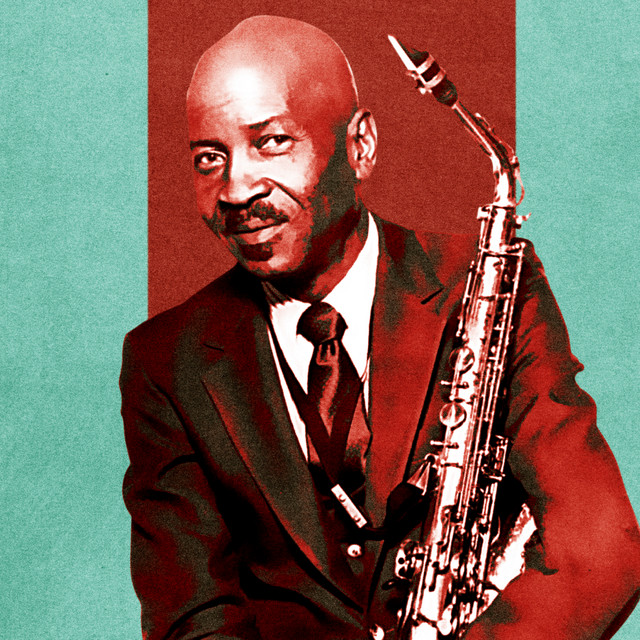
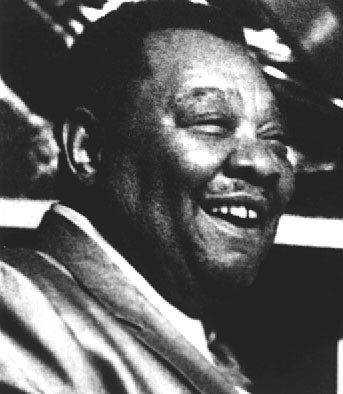
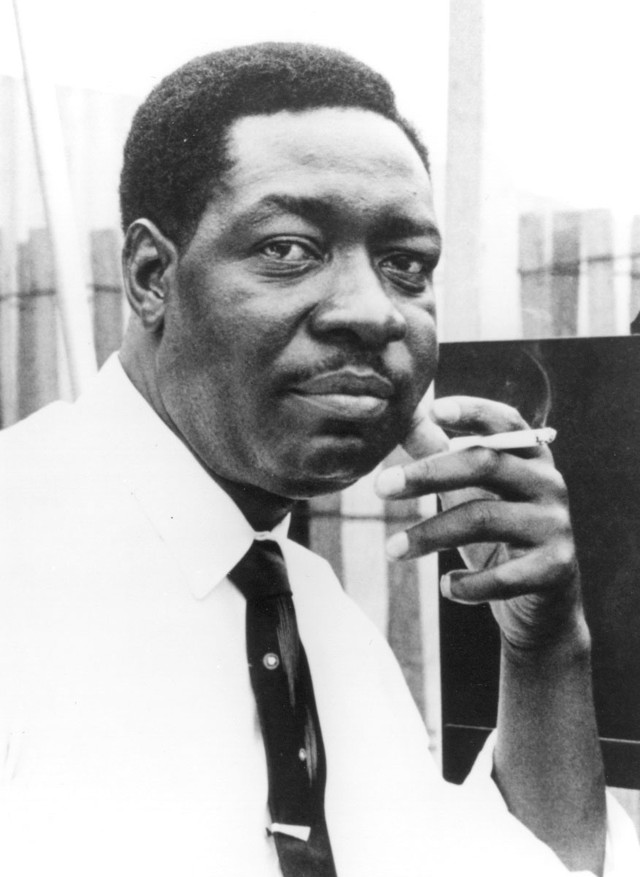
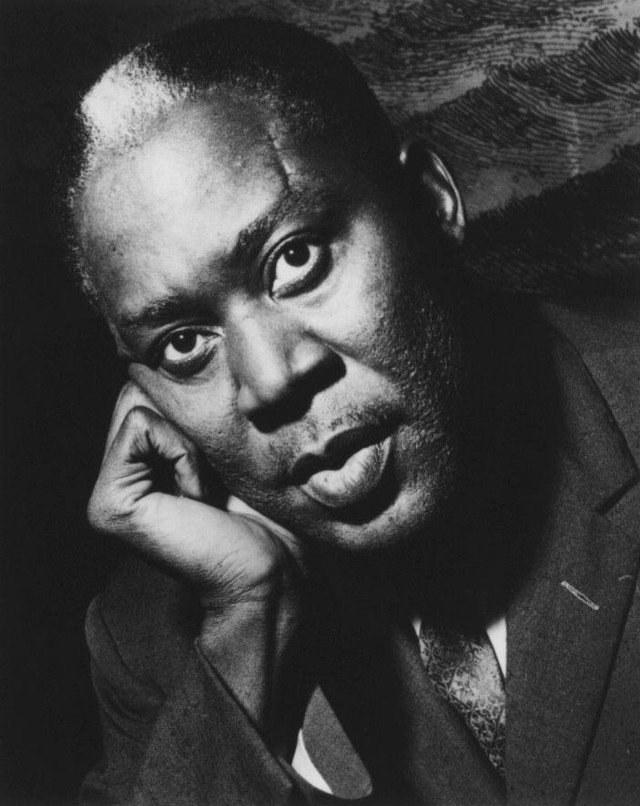
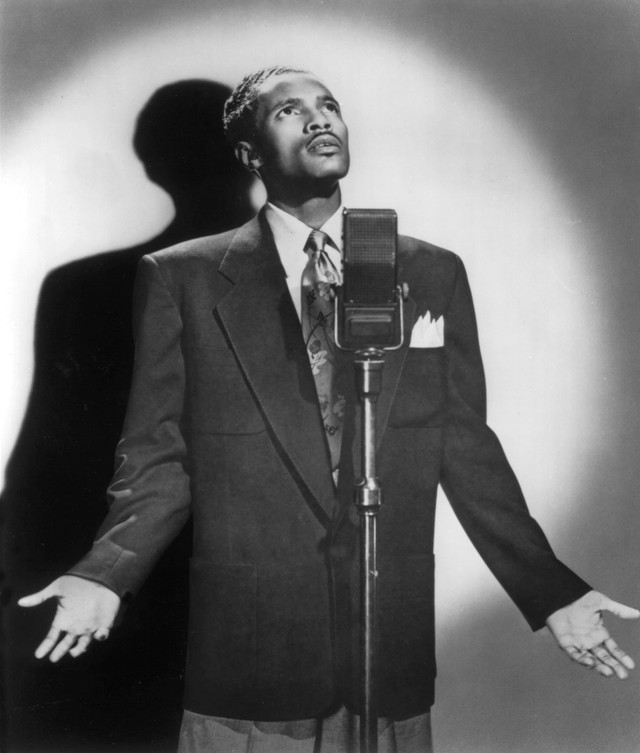
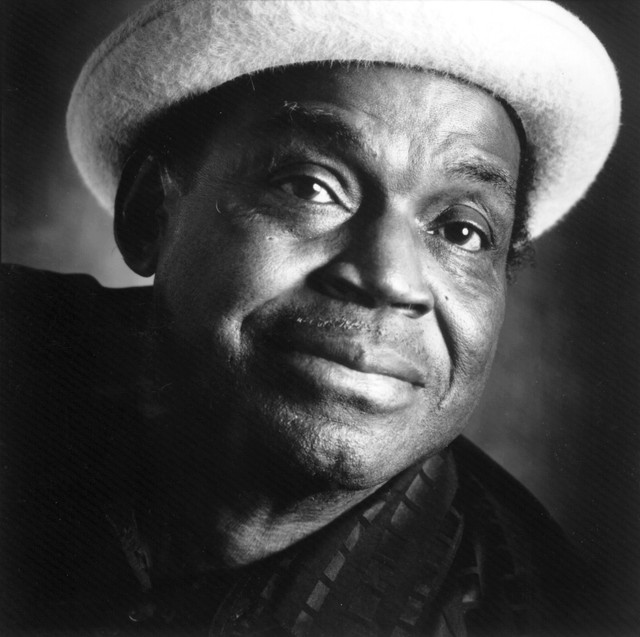
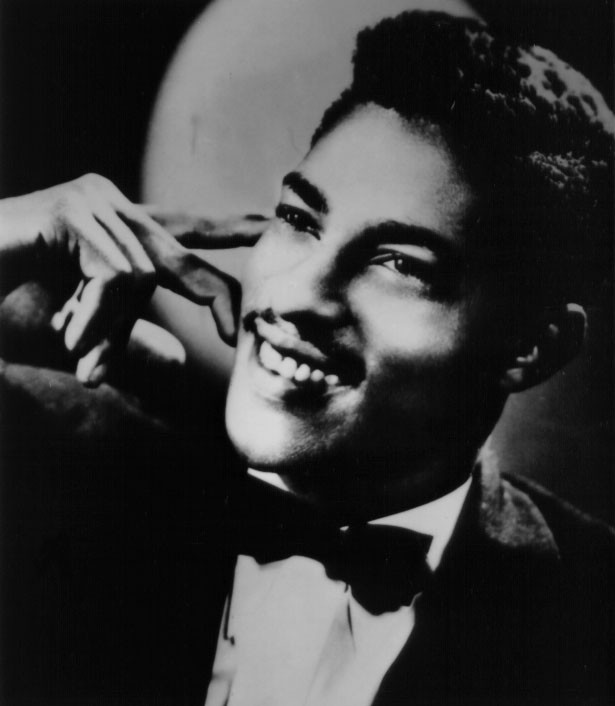
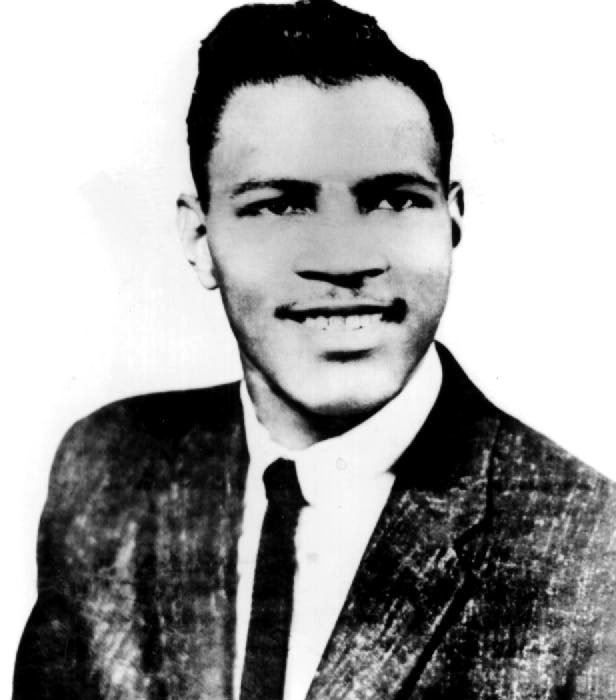
One of the great blues singers of the post-World War II period, Jimmy Witherspoon was also versatile enough to fit comfortably into the jazz world. Witherspoon was born on August 8, 1920 in Gurdon, Arizona. As a child, he sang in a church choir, and he made his debut recordings with <a href="spotify:artist:1qZnWtvzKVV0lJQZBapchU">Jay McShann</a> for Philo and Mercury in 1945 and 1946. His own first recordings, using <a href="spotify:artist:1qZnWtvzKVV0lJQZBapchU">McShann</a>'s band, resulted in a number one R&B hit in 1949 with "Ain't Nobody's Business, Pts. 1 & 2" on Supreme Records. Live performances of "No Rollin' Blues" and "Big Fine Girl" provided 'Spoon with two more hits in 1950.
The mid-'50s were a lean time, with his style of shouting blues temporarily out of fashion; singles were tried for Federal, Chess, Atco, Vee Jay, and others, with little success. Jimmy Witherspoon at the Monterey Jazz Festival (HiFi Jazz) from 1959 lifted him back into the limelight. Partnerships with <a href="spotify:artist:34W7ZCX0LZeJd8q6boKGOk">Ben Webster</a> or <a href="spotify:artist:7izkpvBGc31hUccjdSNz8k">Groove Holmes</a> were recorded, and he toured Europe in 1961 with <a href="spotify:artist:1rQ8RuN5MY5dBeBz81fIho">Buck Clayton</a>, performing overseas many more times in the decades to follow. Witherspoon's best 1960s recording is generally considered to be Evening Blues (Prestige), which features <a href="spotify:artist:6nPKmEbQmR8jGZEm7ArOFX">T-Bone Walker</a> on guitar and <a href="spotify:artist:7IaRukxGUNyBrf9gJXNRFW">Clifford Scott</a> on saxophone.
As the '70s began, Witherspoon decided to take a short break from live performances, settled in Los Angeles, took a job as a disc jockey, and continued making records. In 1971, Witherspoon teamed up with former <a href="spotify:artist:3ICflSq6ZgYAIrm2CTkfVP">Animals</a> vocalist <a href="spotify:artist:3miNucraVWk4hdVsIxn7id">Eric Burdon</a> for the album Guilty. By 1973, Witherspoon was ready to get back on the road and assembled a band featuring a young <a href="spotify:artist:7C1CFA2GWGFc51SrvX5Bvy">Robben Ford</a> on lead guitar. Those live shows had received positive reviews, rejuvenating Witherspoon's move toward a definite rock/soul sound. He traveled to London in 1974 to record Love Is a Five Letter Word with British blues producer <a href="spotify:artist:3LFDPNxxv2lWmfdwgABupl">Mike Vernon</a>, who had produced critically acclaimed British blues albums by <a href="spotify:artist:5s4z3mRAE7nxE3jjft8J3h">John Mayall</a>, <a href="spotify:artist:08GQAI4eElDnROBrJRGE0X">Fleetwood Mac</a>, and <a href="spotify:artist:7nkLRaWHImCvWGHdNGnhVE">Ten Years After</a>. By the early '80s, Witherspoon was diagnosed with throat cancer. Although he remained active and was a popular concert attraction, the effect of the disease on his vocals was obvious. Witherspoon passed away on September 18, 1997 at the age of 77. ~ Bob Porter, Scott Yanow & Al Campbell, Rovi
The mid-'50s were a lean time, with his style of shouting blues temporarily out of fashion; singles were tried for Federal, Chess, Atco, Vee Jay, and others, with little success. Jimmy Witherspoon at the Monterey Jazz Festival (HiFi Jazz) from 1959 lifted him back into the limelight. Partnerships with <a href="spotify:artist:34W7ZCX0LZeJd8q6boKGOk">Ben Webster</a> or <a href="spotify:artist:7izkpvBGc31hUccjdSNz8k">Groove Holmes</a> were recorded, and he toured Europe in 1961 with <a href="spotify:artist:1rQ8RuN5MY5dBeBz81fIho">Buck Clayton</a>, performing overseas many more times in the decades to follow. Witherspoon's best 1960s recording is generally considered to be Evening Blues (Prestige), which features <a href="spotify:artist:6nPKmEbQmR8jGZEm7ArOFX">T-Bone Walker</a> on guitar and <a href="spotify:artist:7IaRukxGUNyBrf9gJXNRFW">Clifford Scott</a> on saxophone.
As the '70s began, Witherspoon decided to take a short break from live performances, settled in Los Angeles, took a job as a disc jockey, and continued making records. In 1971, Witherspoon teamed up with former <a href="spotify:artist:3ICflSq6ZgYAIrm2CTkfVP">Animals</a> vocalist <a href="spotify:artist:3miNucraVWk4hdVsIxn7id">Eric Burdon</a> for the album Guilty. By 1973, Witherspoon was ready to get back on the road and assembled a band featuring a young <a href="spotify:artist:7C1CFA2GWGFc51SrvX5Bvy">Robben Ford</a> on lead guitar. Those live shows had received positive reviews, rejuvenating Witherspoon's move toward a definite rock/soul sound. He traveled to London in 1974 to record Love Is a Five Letter Word with British blues producer <a href="spotify:artist:3LFDPNxxv2lWmfdwgABupl">Mike Vernon</a>, who had produced critically acclaimed British blues albums by <a href="spotify:artist:5s4z3mRAE7nxE3jjft8J3h">John Mayall</a>, <a href="spotify:artist:08GQAI4eElDnROBrJRGE0X">Fleetwood Mac</a>, and <a href="spotify:artist:7nkLRaWHImCvWGHdNGnhVE">Ten Years After</a>. By the early '80s, Witherspoon was diagnosed with throat cancer. Although he remained active and was a popular concert attraction, the effect of the disease on his vocals was obvious. Witherspoon passed away on September 18, 1997 at the age of 77. ~ Bob Porter, Scott Yanow & Al Campbell, Rovi
Monthly Listeners
48,445
Monthly Listeners History
Track the evolution of monthly listeners over the last 28 days.
Followers
17,884
Followers History
Track the evolution of followers over the last 28 days.