
Data may be outdated
Last updated: 9 months ago — Click refresh to get the latest statistics.
One of the three great boogie-woogie pianists (along with <a href="spotify:artist:1pfiDZtUYY64LDWQZ941BN">Albert Ammons</a> and <a href="spotify:artist:7l71rXhsmDwoDgbyXDadtZ">Pete Johnson</a>) whose appearance at John Hammond's 1938 Spirituals to Swing concert helped start the boogie-woogie craze, Meade "Lux" Lewis was a powerful if somewhat limited player. He played regularly in Chicago in the late '20s and his one solo record of the time, "Honky Tonk Train Blues" (1927), was considered a classic. However, other than a few sides backing little-known blues singers, Lewis gained little extra work and slipped into obscurity. John Hammond heard Lewis' record in 1935 and, after a search, found Lewis washing cars for a living in Chicago. Soon, Lewis was back on records and after the 1938, concert he was able to work steadily, sometimes in duets or trios with <a href="spotify:artist:1pfiDZtUYY64LDWQZ941BN">Ammons</a> and <a href="spotify:artist:7l71rXhsmDwoDgbyXDadtZ">Johnson</a>. He became the first jazz pianist to double on celeste (starting in 1936) and was featured on that instrument on a Blue Note quartet date with <a href="spotify:artist:0ObFsHKsujQRFXqEL6Q0Jc">Edmond Hall</a> and <a href="spotify:artist:0WdDpEeDIDmtYh5sqRrdI6">Charlie Christian</a>; he also played harpsichord on a few records in 1941. After the boogie-woogie craze ended, Lewis continued working in Chicago and California, recording as late as 1962, although by then he was pretty much forgotten. Lewis led sessions through the years that have come out on MCA, Victor, Blue Note, Solo Art, Euphonic, Stinson, Atlantic, Storyville, Verve, Tops, ABC-Paramount, Riverside, and Philips. ~ Scott Yanow, Rovi
Monthly Listeners
4,801
Monthly Listeners History
Track the evolution of monthly listeners over the last 28 days.
Followers
5,117
Followers History
Track the evolution of followers over the last 28 days.
Top Cities
140 listeners

53 listeners

51 listeners
51 listeners
40 listeners

Related Artists


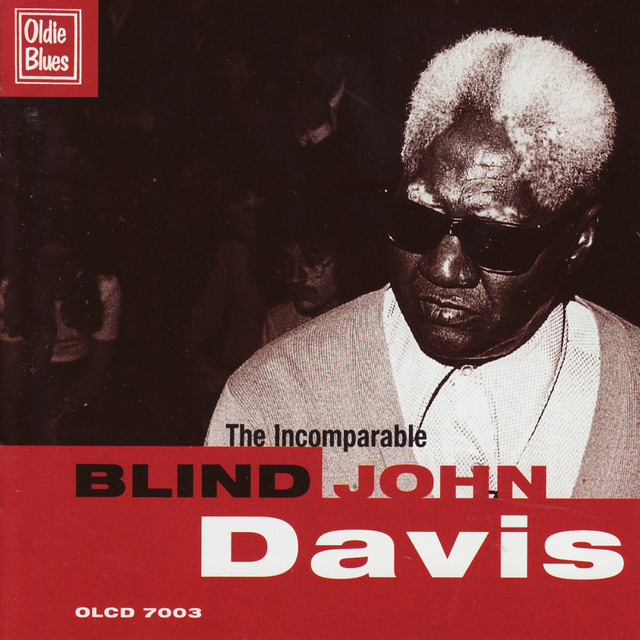

Jay McShann Orchestra


Tuts Washington
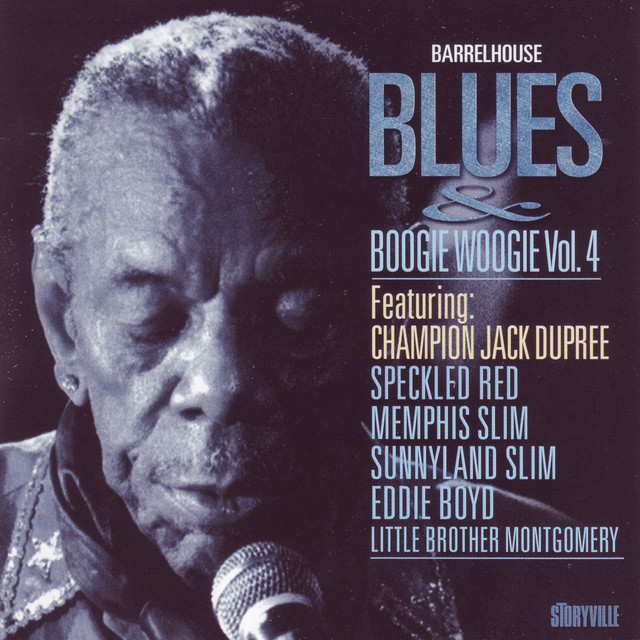
Speckled Red
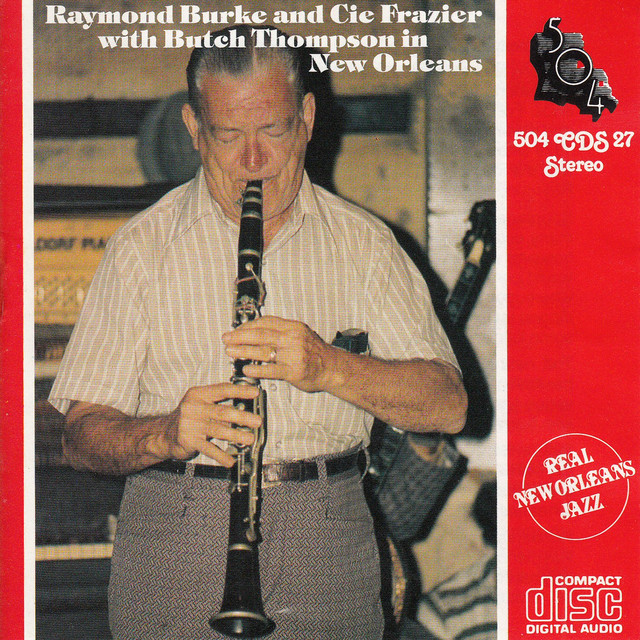
Butch Thompson

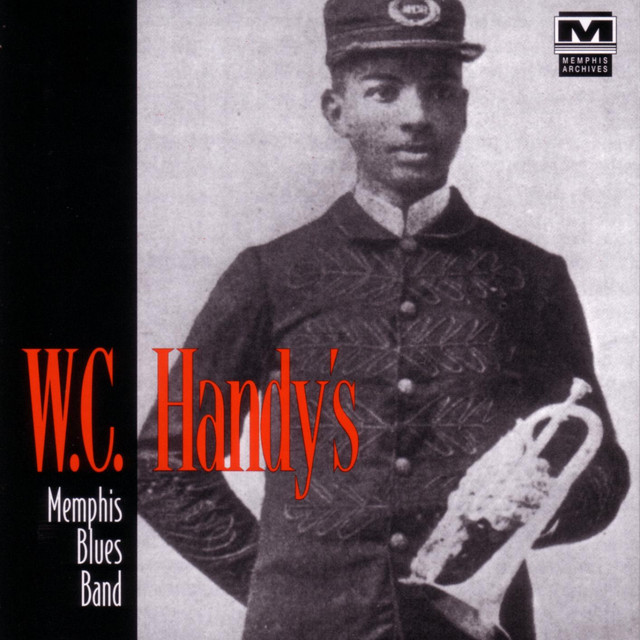

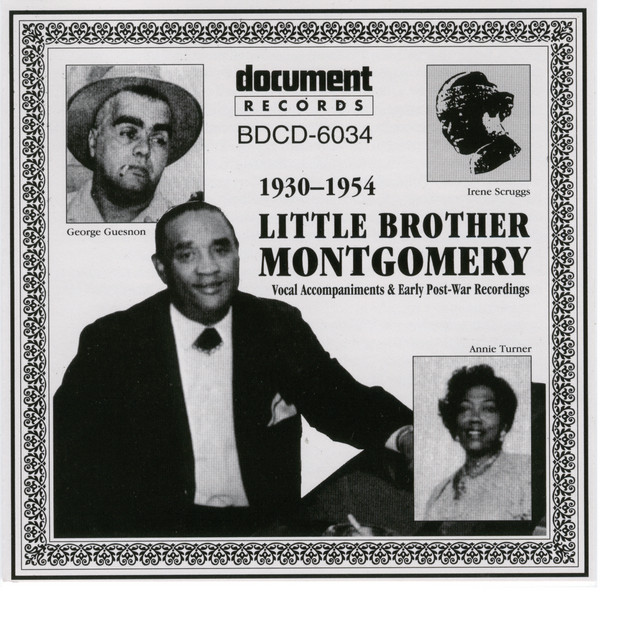
Little Brother Montgomery
Emmett Berry
Daniel Gugolz

Gottfried Böttger


Albert Ammons & Pete Johnson
Art Hodes


Jazz Gillum
Count Basie & His All American Rhythm Section


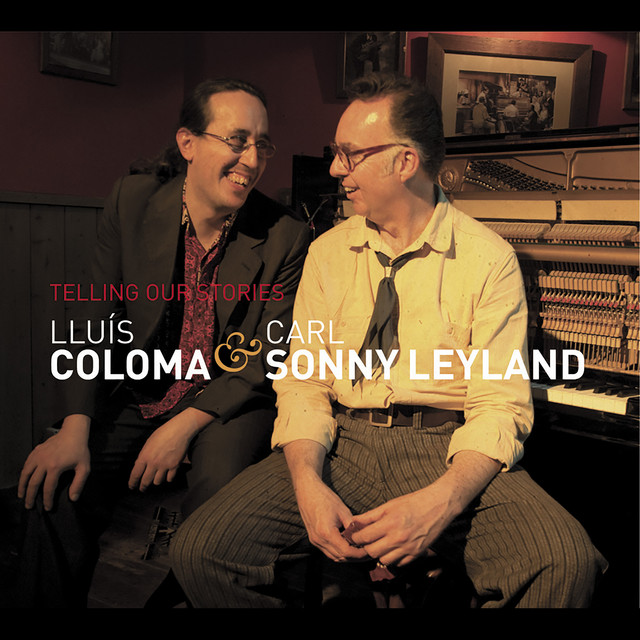
Carl Sonny Leyland
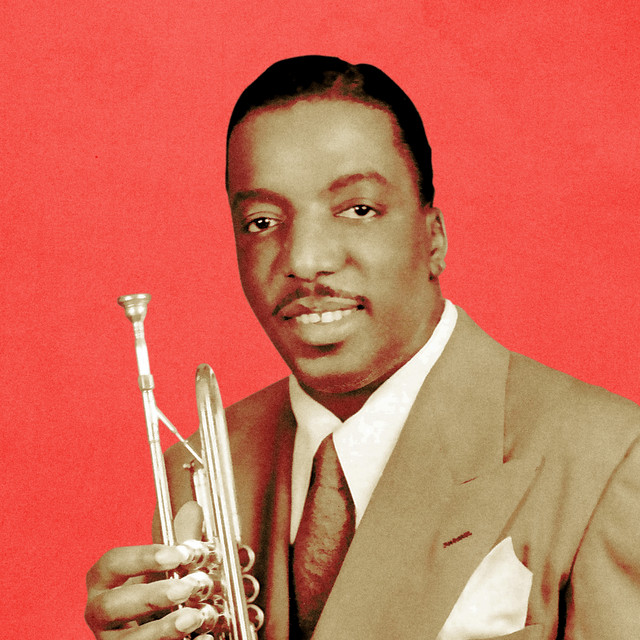
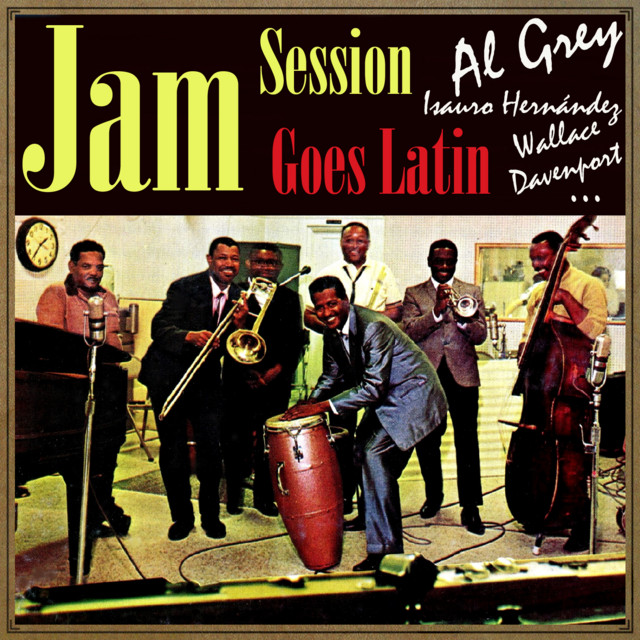
Wallace Davenport
