Data may be outdated
Last updated: 7 months ago — Click refresh to get the latest statistics.
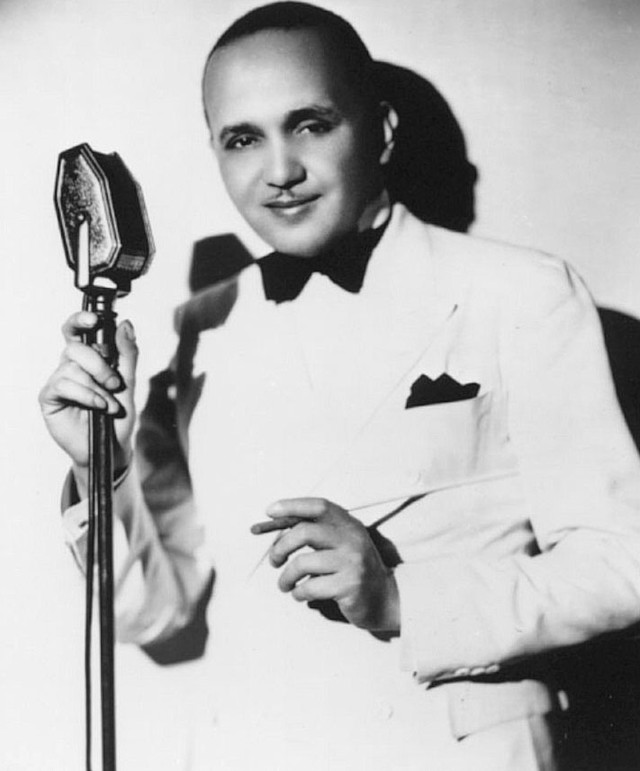
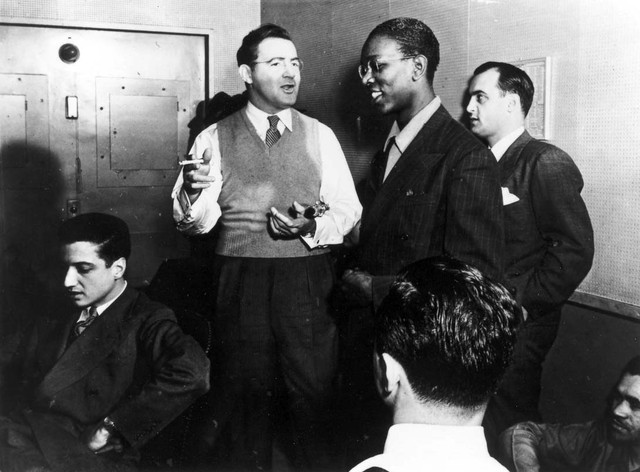
Willie "The Lion" Smith in the 1920s was considered one of the big three of stride piano (along with <a href="spotify:artist:0BMlIte9CqjItQ6mh2GoGi">James P. Johnson</a> and <a href="spotify:artist:0DYWCXTkNqGFZIf67SrWEa">Fats Waller</a>) even though he made almost no recordings until the mid-'30s. His mother was an organist and pianist, and Smith started playing piano when he was six. He earned a living playing piano as a teenager, gained his nickname "the Lion" for his heroism in World War I, and after his discharge he became one of the star attractions at Harlem's nightly rent parties. Although he toured with <a href="spotify:artist:2HS2wQTJXpA65XWOKlAVxk">Mamie Smith</a> (and played piano on her pioneering 1920 blues record "Crazy Blues"), Smith mostly freelanced throughout his life. He was an influence on the young <a href="spotify:artist:4F7Q5NV6h5TSwCainz8S5A">Duke Ellington</a> (who would later write "Portrait of the Lion") and most younger New York-based pianists of the 1920s and '30s. Although he was a braggart and (with his cigar and trademark derby hat) appeared to be a rough character, Smith was actually more colorful than menacing and a very sophisticated pianist with a light touch. His recordings with his Cubs (starting in 1935) and particularly his 1939 piano solos for Commodore (highlighted by "Echoes of Spring") cemented his place in history. Because he remained very active into the early '70s (writing his memoirs Music on My Mind in 1965), for quite a few decades Willie "the Lion" Smith was considered a living link to the glory days of early jazz. ~ Scott Yanow, Rovi
Monthly Listeners
8,861
Monthly Listeners History
Track the evolution of monthly listeners over the last 28 days.
Followers
6,053
Followers History
Track the evolution of followers over the last 28 days.
Top Cities
162 listeners

129 listeners

112 listeners

104 listeners
91 listeners
Related Artists

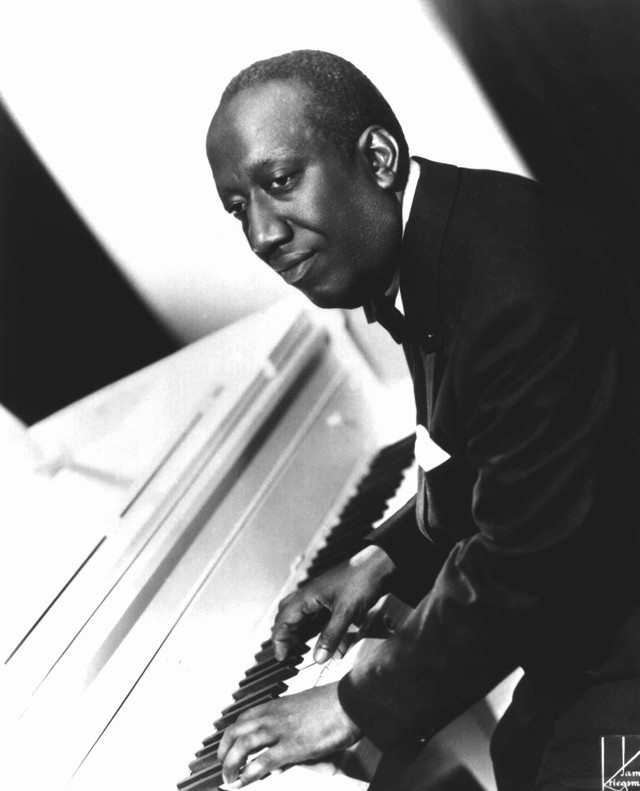
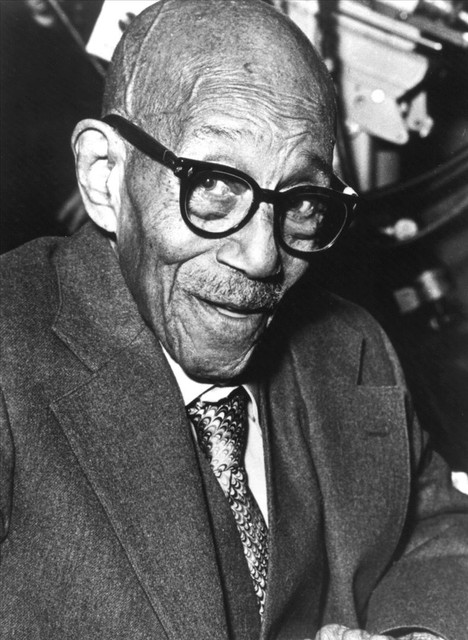

Donald Lambert
Paul Posnak

Joe Sullivan
James F. Hanley
Sonny Greer
Luckey Roberts
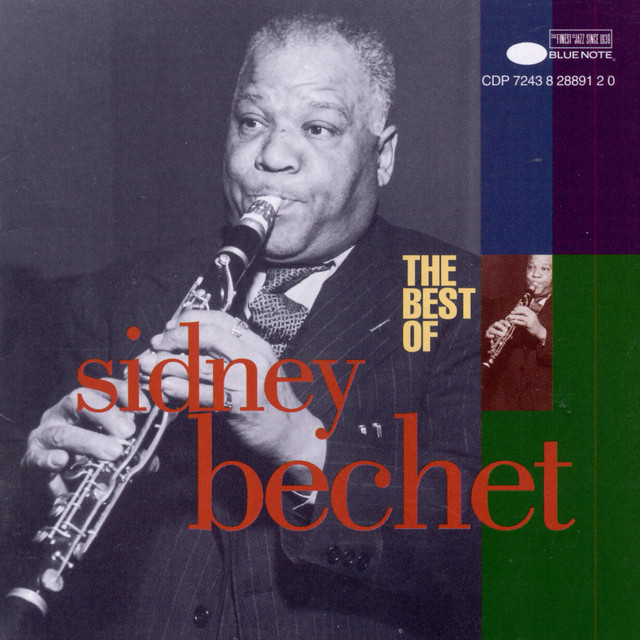
Art Hodes

Duke Ellington & His Famous Orchestra
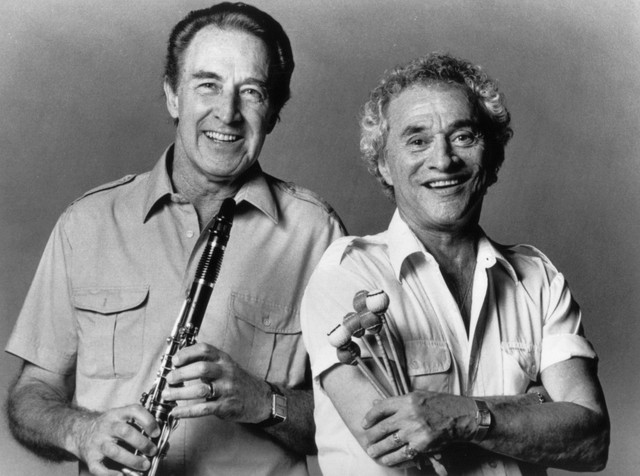
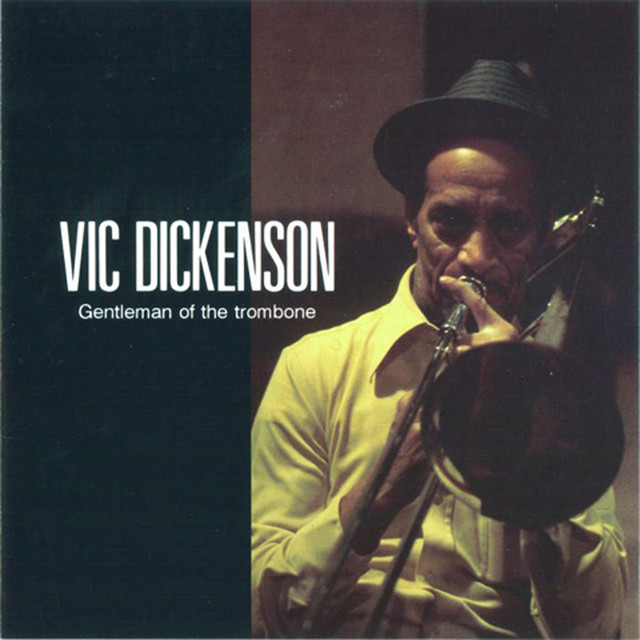
Vic Dickenson