Data may be outdated
Last updated: 7 months ago — Click refresh to get the latest statistics.
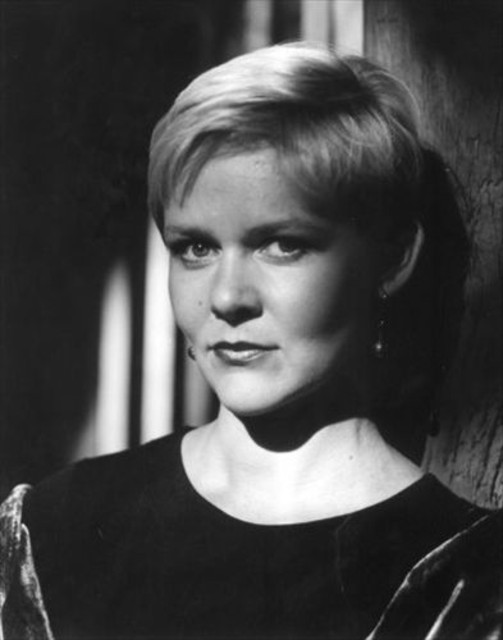
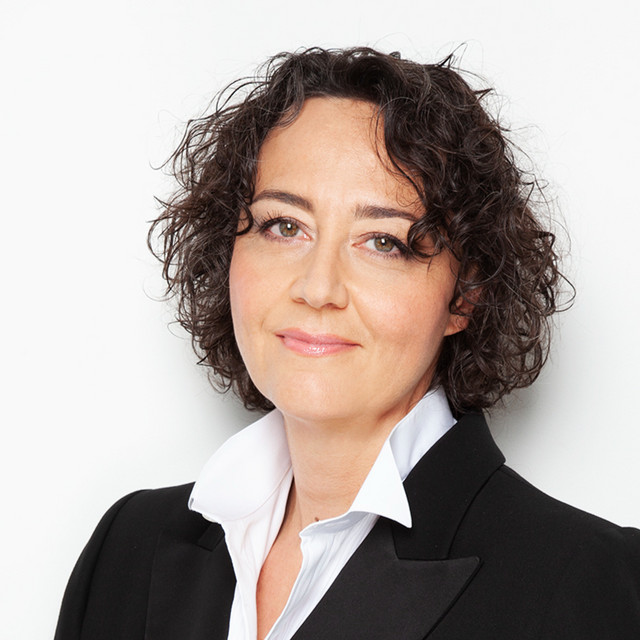
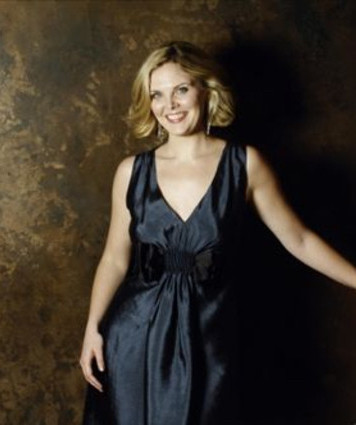
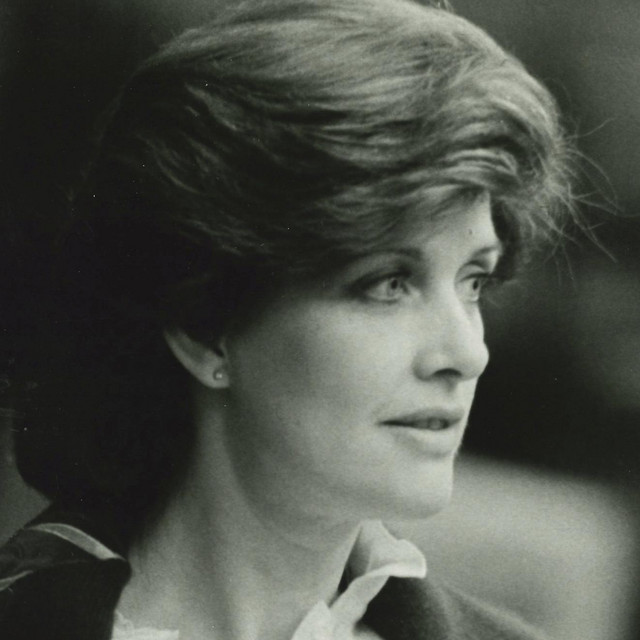
An intelligent and musically perceptive artist, lyric soprano Margaret Marshall has excelled in the music of the Baroque period as readily as in <a href="spotify:artist:656RXuyw7CE0dtjdPgjJV6">Haydn</a>, <a href="spotify:artist:4NJhFmfw43RLBLjQvxDuRS">Mozart</a>, and <a href="spotify:artist:6pAwHPeExeUbMd5w7Iny6D">Strauss</a>. She has become a formidable interpreter of the soprano parts in <a href="spotify:artist:7MJ1pB5d6Vjmzep2zQlorn">Britten</a>'s War Requiem, the masses of <a href="spotify:artist:2bM3j1JQWBkmzuoZKu4zj2">Bruckner</a>, and <a href="spotify:artist:1QL7yTHrdahRMpvNtn6rI2">Handel</a>'s Messiah. Popular with numerous conductors, she has made many recordings that are all representative of the repertory she does best. Marshall began her career after extensive training that included private study in Glasgow and at the Royal Scottish Academy of Music. Among the prominent singers with whom she worked were tenor <a href="spotify:artist:2B4N612xGjNj2cAAYsP4MO">Peter Pears</a> and bass-baritone <a href="spotify:artist:3GtU1O2V8snd7EP5ySYLqN">Hans Hotter</a>. A first prize at Munich's International Competition in 1974 placed her in the public spotlight and concert engagements promptly followed, taking her to many of Europe's most celebrated venues. A recital debut at London's Wigmore Hall led to guest appearances with all of the major symphonies in the United Kingdom, as well as the <a href="spotify:artist:6uRJnvQ3f8whVnmeoecv5Z">Berlin Philharmonic</a>, the Orchestre de Paris, and in America, the Chicago and Boston symphonies and the <a href="spotify:artist:3gacryguGmpmCvgPGt2CBI">New York Philharmonic</a>. Only several years into her career, Marshall had already worked with such esteemed maestri as <a href="spotify:artist:7silW8RiEOoLBgAg5JBCL1">Muti</a>, <a href="spotify:artist:3FEd0qHPFOgcpfw7bCXB4x">Mehta</a>, <a href="spotify:artist:78sEozQOEJxzXegUuqRSgH">Barenboim</a>, <a href="spotify:artist:7LeEa79J3ePCT5pXKQ7Mkv">Giulini</a>, <a href="spotify:artist:13F9LNBUeRx3FYLr96Bge1">Haitink</a>, and <a href="spotify:artist:6HclTVD03WSY6GUpN16BkP">Abbado</a>. Marshall's 1978 opera debut took place in Florence, where she sang <a href="spotify:artist:7vfydQ0nVBVgJ0ajs8EtRM">Gluck</a>'s Euridice under the direction of <a href="spotify:artist:7silW8RiEOoLBgAg5JBCL1">Riccardo Muti</a>. That engagement led to a recording of the role under the same conductor. <a href="spotify:artist:7silW8RiEOoLBgAg5JBCL1">Muti</a> called for her when he conducted Le nozze di Figaro at Covent Garden, after which she performed the Countess at La Scala with the Scottish Opera and in Cologne. For her Salzburg debut in 1982 (as Fiordiligi), <a href="spotify:artist:7silW8RiEOoLBgAg5JBCL1">Muti</a> was again on the podium and the soprano thereafter became a frequent guest at the famed festival. When she was introduced to the Vienna opera public in 1988, the role was once more <a href="spotify:artist:4NJhFmfw43RLBLjQvxDuRS">Mozart</a>'s Countess. Other theaters that welcomed her included Berlin's Deutsche Oper, Hamburg's Staatsoper, Frankfurt, Cologne, Munich's Bayerischen Staatsopernchor, Toulouse, Zürich, and Parma. In addition to opera and orchestral appearances, Marshall has made a positive reputation as a recitalist, undertaking several American tours as well singing in many of Europe's best-known recital halls.
Monthly Listeners
104,987
Monthly Listeners History
Track the evolution of monthly listeners over the last 28 days.
Followers
926
Followers History
Track the evolution of followers over the last 28 days.
Top Cities




Related Artists



Maite Arruabarrena
Radio Svizzera Italiana Orchestra