Data may be outdated
Last updated: 9 months ago — Click refresh to get the latest statistics.
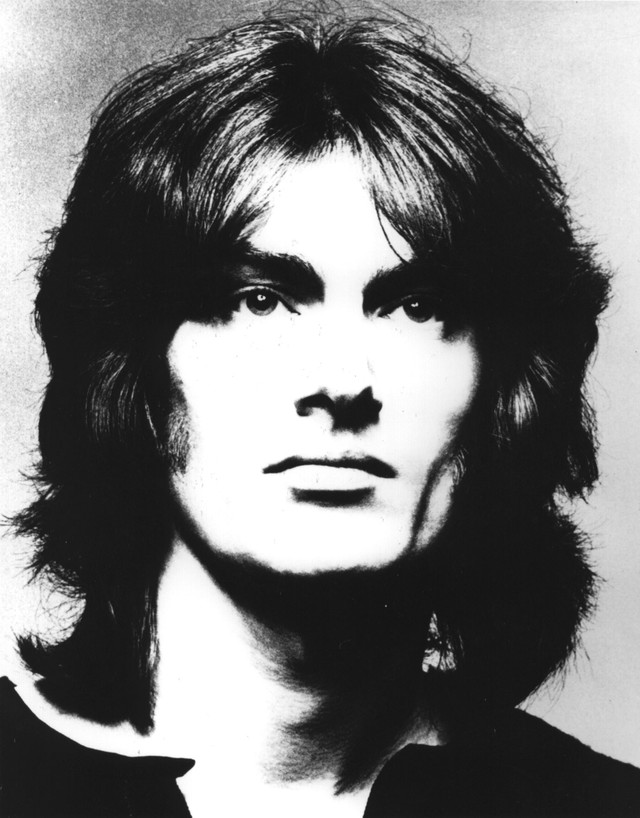
Inspired by a variety of British Invasion groups, from the omnipresent <a href="spotify:artist:3WrFJ7ztbogyGnTHbHJFl2">Beatles</a> to cult favorites <a href="spotify:artist:2BLpGstUHxDc6vHfBEiaXm">the Move</a>, <a href="spotify:artist:0Lpr5wXzWLtDWm1SjNbpPb">Todd Rundgren</a> and his <a href="spotify:artist:261bdcOGaTFD2707EJSaKa">Woody's Truck Stop</a> colleague Carson Van Osten formed the Nazz in 1967. Taking their name from an obscure <a href="spotify:artist:2lxX1ivRYp26soIavdG9bX">Yardbirds</a> song, the Nazz were arguably the first Anglophiles in rock history. There had been many groups that drew inspiration from <a href="spotify:artist:3WrFJ7ztbogyGnTHbHJFl2">the Beatles</a> and <a href="spotify:artist:22bE4uQ6baNwSHPVcDxLCe">the Stones</a>, but none had been so self-consciously reverent as the Nazz. One of their first singles, "Open My Eyes," twisted the riff from <a href="spotify:artist:67ea9eGLXYMsO2eYQRui3w">the Who</a>'s "I Can't Explain," and much of their music felt like homages to Brit rock from <a href="spotify:artist:1SQRv42e4PjEYfPhS0Tk9E">the Kinks</a> to <a href="spotify:artist:74oJ4qxwOZvX6oSsu1DGnw">Cream</a>, thereby setting a precedent that was followed by scores of North American guitar pop bands from <a href="spotify:artist:7Kkx4dACo6kFSeT9wjfVA5">the Raspberries</a> to <a href="spotify:artist:1ahN3WDDULKaAQs7ZUrGNP">Sloan</a>.
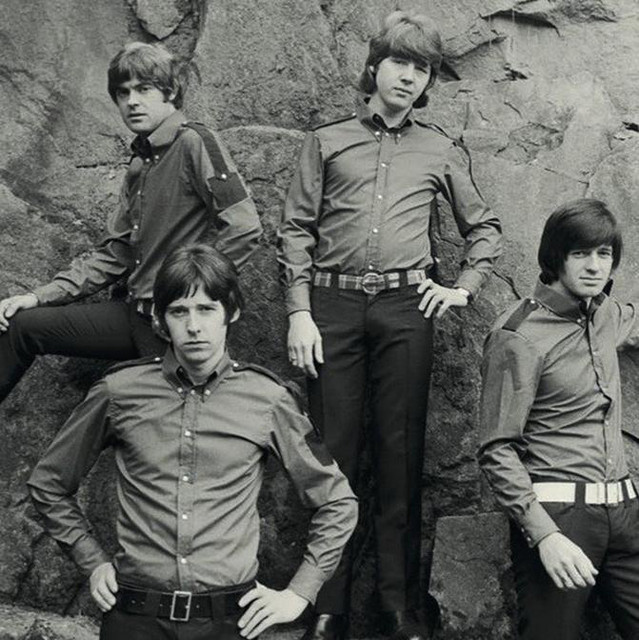
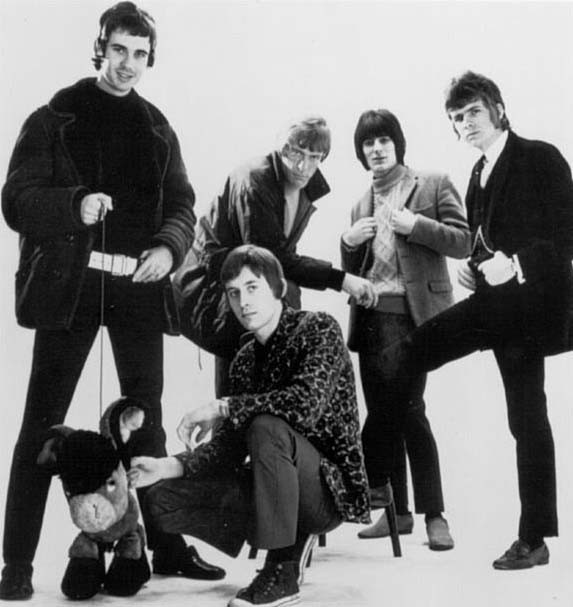
Playing lead guitar and bass, respectively, <a href="spotify:artist:0Lpr5wXzWLtDWm1SjNbpPb">Rundgren</a> and Van Osten were joined by drummer Thom Mooney (formerly of the Munchkins) and lead vocalist/keyboardist Stewkey (born Robert Antoni). The Nazz had their first gig in July 1967, landing an opening slot at a <a href="spotify:artist:22WZ7M8sxp5THdruNY3gXt">Doors</a> concert. By September, the group received some financial support from the local record store Bartoff & Warfield, who also put them in touch with John Kurland, a record promoter who was looking for a guitar pop band. Kurland took a shine to the Nazz and signed on as their manager. Throughout the fall, they practiced in their new home base of Great Neck, New York. Kurland and his associate, <a href="spotify:artist:0C1Kg7UsiFqE6YUz2FDWUW">Michael Friedman</a>, prevented the band from gigging regularly, believing that a lack of performances would increase demand for the group. The managers were were convinced that the Nazz could be marketed as a sharp, stylish boy band for the teenybopper audience, and helped the quartet members to refashion themselves in that mode.
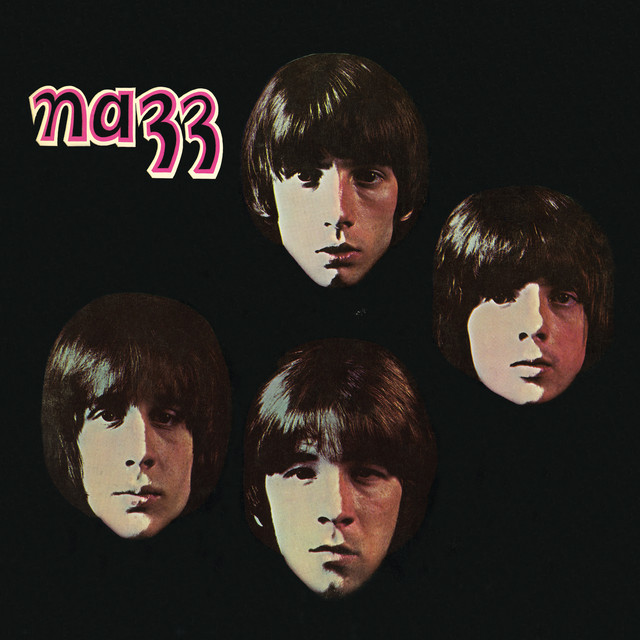
With a wardrobe of clothes and an album's worth of material ready, Kurland and <a href="spotify:artist:4lgtxmgr3T7wS56YRuDmrY">Friedman</a> had the Nazz sign with SGC Records -- an offshoot of Atlantic Records and <a href="spotify:search:label%3A%22Columbia-Screen+Gems%22">Columbia-Screen Gems</a> -- in the summer of 1968. Their debut album, Nazz, appeared in October, supported by the single "Hello It's Me." Although the song would later become a major hit for <a href="spotify:artist:0Lpr5wXzWLtDWm1SjNbpPb">Rundgren</a> as a solo artist, the dirgey original version barely scraped the national charts, largely due to mismanagement. The managers wanted the Nazz to play only large halls, which was virtually impossible for an unknown, unproven band with a newly released debut album. As a result, most of the group's publicity was limited to glamour shots and puff pieces in teen mags. Ironically, many of the articles emphasized the band's "electrifying" live performances.
"Hello It's Me" managed to reach number 71 on the charts, and the record -- particularly the Nazz's self-production of "Open My Eyes" and "Hello It's Me" -- attracted some good notices. Taking this as a cue, the Nazz headed to England to cut their second album, but they became embroiled in work visa problems. Undaunted, they returned to America and began work on an ambitious self-produced double album named Fungo Bat. By the time it was released in April 1969, it was trimmed to a single album and titled Nazz Nazz. Although the project's scale was diminished, the music remained dizzyingly diverse, as the record ran the gamut from psychedelic rockers to pop ballads. One problem emerged, however. In the process of editing, much of <a href="spotify:artist:0Lpr5wXzWLtDWm1SjNbpPb">Rundgren</a>'s newer, <a href="spotify:artist:6QDWC6QeGhvCWCv3nUJwoV">Laura Nyro</a>-influenced material -- which he had sung himself -- was left on the shelves. Neither the management nor his bandmates gave <a href="spotify:artist:0Lpr5wXzWLtDWm1SjNbpPb">Rundgren</a> much encouragement to sing, nor was his new introspective direction warmly received by his colleagues. Faced with a no-win situation, <a href="spotify:artist:0Lpr5wXzWLtDWm1SjNbpPb">Rundgren</a> left the group not long after their summer 1969 tour; by that time, Van Osten had already departed the band.
Stewkey took control of the Nazz, erased <a href="spotify:artist:0Lpr5wXzWLtDWm1SjNbpPb">Rundgren</a>'s vocals from the album sitting in the vaults, and replaced them with his own. The result was released as Nazz III in 1970, but it stiffed. <a href="spotify:artist:1fZTpSUFhwWdafzC2RJ1ob">Mooney</a> departed the group, later to play with such bands as the Curtis Brothers, Tattoo, and Paris. Stewkey joined <a href="spotify:artist:3aOhOu4KcHWCMcubPH35Dk">Fuse</a>, an Anglophile power pop group featuring future <a href="spotify:artist:1LB8qB5BPb3MHQrfkvifXU">Cheap Trick</a> guitarist <a href="spotify:artist:6aXZHzvxNhl8rhA0qd4YYH">Rick Nielsen</a>. <a href="spotify:artist:1fZTpSUFhwWdafzC2RJ1ob">Mooney</a> also played with <a href="spotify:artist:3aOhOu4KcHWCMcubPH35Dk">Fuse</a>, but left before <a href="spotify:artist:1LB8qB5BPb3MHQrfkvifXU">Cheap Trick</a> bassist <a href="spotify:artist:1HnpozJrW2iRWAFLKr2sZJ">Tom Petersson</a> joined and the group became Sick Man of Europe. ~ Stephen Thomas Erlewine, Rovi
Playing lead guitar and bass, respectively, <a href="spotify:artist:0Lpr5wXzWLtDWm1SjNbpPb">Rundgren</a> and Van Osten were joined by drummer Thom Mooney (formerly of the Munchkins) and lead vocalist/keyboardist Stewkey (born Robert Antoni). The Nazz had their first gig in July 1967, landing an opening slot at a <a href="spotify:artist:22WZ7M8sxp5THdruNY3gXt">Doors</a> concert. By September, the group received some financial support from the local record store Bartoff & Warfield, who also put them in touch with John Kurland, a record promoter who was looking for a guitar pop band. Kurland took a shine to the Nazz and signed on as their manager. Throughout the fall, they practiced in their new home base of Great Neck, New York. Kurland and his associate, <a href="spotify:artist:0C1Kg7UsiFqE6YUz2FDWUW">Michael Friedman</a>, prevented the band from gigging regularly, believing that a lack of performances would increase demand for the group. The managers were were convinced that the Nazz could be marketed as a sharp, stylish boy band for the teenybopper audience, and helped the quartet members to refashion themselves in that mode.
With a wardrobe of clothes and an album's worth of material ready, Kurland and <a href="spotify:artist:4lgtxmgr3T7wS56YRuDmrY">Friedman</a> had the Nazz sign with SGC Records -- an offshoot of Atlantic Records and <a href="spotify:search:label%3A%22Columbia-Screen+Gems%22">Columbia-Screen Gems</a> -- in the summer of 1968. Their debut album, Nazz, appeared in October, supported by the single "Hello It's Me." Although the song would later become a major hit for <a href="spotify:artist:0Lpr5wXzWLtDWm1SjNbpPb">Rundgren</a> as a solo artist, the dirgey original version barely scraped the national charts, largely due to mismanagement. The managers wanted the Nazz to play only large halls, which was virtually impossible for an unknown, unproven band with a newly released debut album. As a result, most of the group's publicity was limited to glamour shots and puff pieces in teen mags. Ironically, many of the articles emphasized the band's "electrifying" live performances.
"Hello It's Me" managed to reach number 71 on the charts, and the record -- particularly the Nazz's self-production of "Open My Eyes" and "Hello It's Me" -- attracted some good notices. Taking this as a cue, the Nazz headed to England to cut their second album, but they became embroiled in work visa problems. Undaunted, they returned to America and began work on an ambitious self-produced double album named Fungo Bat. By the time it was released in April 1969, it was trimmed to a single album and titled Nazz Nazz. Although the project's scale was diminished, the music remained dizzyingly diverse, as the record ran the gamut from psychedelic rockers to pop ballads. One problem emerged, however. In the process of editing, much of <a href="spotify:artist:0Lpr5wXzWLtDWm1SjNbpPb">Rundgren</a>'s newer, <a href="spotify:artist:6QDWC6QeGhvCWCv3nUJwoV">Laura Nyro</a>-influenced material -- which he had sung himself -- was left on the shelves. Neither the management nor his bandmates gave <a href="spotify:artist:0Lpr5wXzWLtDWm1SjNbpPb">Rundgren</a> much encouragement to sing, nor was his new introspective direction warmly received by his colleagues. Faced with a no-win situation, <a href="spotify:artist:0Lpr5wXzWLtDWm1SjNbpPb">Rundgren</a> left the group not long after their summer 1969 tour; by that time, Van Osten had already departed the band.
Stewkey took control of the Nazz, erased <a href="spotify:artist:0Lpr5wXzWLtDWm1SjNbpPb">Rundgren</a>'s vocals from the album sitting in the vaults, and replaced them with his own. The result was released as Nazz III in 1970, but it stiffed. <a href="spotify:artist:1fZTpSUFhwWdafzC2RJ1ob">Mooney</a> departed the group, later to play with such bands as the Curtis Brothers, Tattoo, and Paris. Stewkey joined <a href="spotify:artist:3aOhOu4KcHWCMcubPH35Dk">Fuse</a>, an Anglophile power pop group featuring future <a href="spotify:artist:1LB8qB5BPb3MHQrfkvifXU">Cheap Trick</a> guitarist <a href="spotify:artist:6aXZHzvxNhl8rhA0qd4YYH">Rick Nielsen</a>. <a href="spotify:artist:1fZTpSUFhwWdafzC2RJ1ob">Mooney</a> also played with <a href="spotify:artist:3aOhOu4KcHWCMcubPH35Dk">Fuse</a>, but left before <a href="spotify:artist:1LB8qB5BPb3MHQrfkvifXU">Cheap Trick</a> bassist <a href="spotify:artist:1HnpozJrW2iRWAFLKr2sZJ">Tom Petersson</a> joined and the group became Sick Man of Europe. ~ Stephen Thomas Erlewine, Rovi
Monthly Listeners
16,923
Monthly Listeners History
Track the evolution of monthly listeners over the last 28 days.
Followers
11,328
Followers History
Track the evolution of followers over the last 28 days.
Top Cities
333 listeners

318 listeners
287 listeners

242 listeners
235 listeners