Data may be outdated
Last updated: 9 months ago — Click refresh to get the latest statistics.
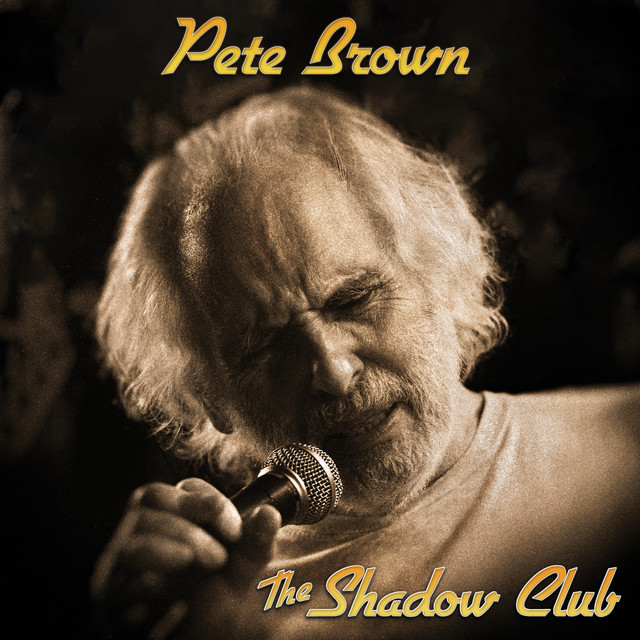
One of the key eccentrics of the <a href="spotify:search:label%3A%22Harvest%22">Harvest</a> stable and a successful collaborative lyricist for <a href="spotify:artist:74oJ4qxwOZvX6oSsu1DGnw">Cream</a> ("I Feel Free," "Sunshine of Your Love"), poet/percussionist/vocalist/trumpet player Pete Brown was one of the many artists to arise from the British beat movement in the mid- to late '60s. Like a lot of his peers, Brown's spin on progressive rock came from backgrounds in folk, jazz, and blues.
He was kicking around the scene as a poet until being approached by <a href="spotify:artist:74oJ4qxwOZvX6oSsu1DGnw">Cream</a> to assist in songwriting. Upon achieving chart success with the trio, Brown decided to go the musician route. <a href="spotify:artist:1im4Wcx1u8qxzbRtlRDbnC">Graham Bond</a> asked Brown to help out with some songs for <a href="spotify:artist:2YHcSCb5tMbCoovS962pff">the Graham Bond Organisation</a>, and he was eventually invited to sing with the group on-stage. Once they broke up, Brown helped form <a href="spotify:artist:6udmz2X0n9cTtVsqjKjPev">the Battered Ornaments</a>, hoping to work with musicians whose skills didn't dwarf his own. The group fell in with <a href="spotify:search:label%3A%22Harvest%22">Harvest</a>, the progressive subsidiary of <a href="spotify:search:label%3A%22EMI%22">EMI</a> that housed the likes of <a href="spotify:artist:6Lt3HS8R2v8Q4G7ZkUWa8R">Syd Barrett</a>, <a href="spotify:artist:568ZhdwyaiCyOGJRtNYhWf">Deep Purple</a>, and <a href="spotify:artist:424ZDRAZzCKKUXvzvv52ox">Roy Harper</a>. <a href="spotify:artist:6udmz2X0n9cTtVsqjKjPev">The Battered Ornaments</a>' only record with Brown, A Meal You Can Shake Hands with in the Dark, was released in 1969.
<a href="spotify:artist:6udmz2X0n9cTtVsqjKjPev">The Battered Ornaments</a> booted Brown from the band on the night prior to a supporting gig for <a href="spotify:artist:22bE4uQ6baNwSHPVcDxLCe">the Rolling Stones</a> at Hyde Park; his vocals on the recording of the group's second record were eventually wiped off. The sacked singer immediately set about forming <a href="spotify:artist:53ZqIgtbkPHvH5Bl2N8cmV">Piblokto!</a>, a group that, for 1970's Things May Come and Things May Go But the Art School Dance Goes on Forever, comprised bassist <a href="spotify:artist:39wKTtostbmp1Q9wCcSHts">Roger Bunn</a>, guitarist <a href="spotify:artist:2Z5GlupSvKDfgQ8SSqWaPW">Jim Mullen</a>, organist Dave Thompson, and <a href="spotify:artist:6udmz2X0n9cTtVsqjKjPev">Battered Ornaments</a> drummer Rob Tait. <a href="spotify:artist:39wKTtostbmp1Q9wCcSHts">Bunn</a> was replaced by Steve Glover for Thousands on a Raft, which was released six months after their debut. Another shift in the lineup pre-dated the final <a href="spotify:artist:53ZqIgtbkPHvH5Bl2N8cmV">Piblokto!</a> release, the single "Flying Hero Sandwich."
Brown teamed up again with <a href="spotify:artist:1im4Wcx1u8qxzbRtlRDbnC">Graham Bond</a> for 1972's one-off Two Heads Are Better Than One, which featured contributions from several of Brown's former bandmates. With keyboardist <a href="spotify:artist:0tgLpCvovrYmJpEJ004je5">Ian Lynn</a>, who played on Thousands on a Raft, he formed Back to the Front, a group that performed but never recorded in their original form. They lasted until 1977; Brown faded away from music, at least in a performance sense, until 1983's Party in the Rain, which featured most of Back to the Front behind him.
The '90s saw Brown working again with <a href="spotify:artist:5lmqxc1q8JkIquEwWZFKYm">Phil Ryan</a>, a keyboardist who played with <a href="spotify:artist:6XNNAZyTxhw3IRa0xyRBeo">Man</a>, <a href="spotify:artist:119FTy9OZwMW9S7J0N5fIF">the Eyes of Blue</a>, and the final lineup of <a href="spotify:artist:53ZqIgtbkPHvH5Bl2N8cmV">Piblokto!</a> They made two records together, Ardours of the Lost Rake and Coals to Jerusalem. Toward the end of the decade, he formed <a href="spotify:artist:064DjMTOcPnsWtiglrOE1b">the Interoceters</a>, a group that performed songs from his lengthy career. Brown also maintained a working relationship with <a href="spotify:artist:73ndLgs6jSrpZzjyzU9TJV">Jack Bruce</a> and participated in the making of several records by other artists. Pete Brown died on May 19, 2023, while in treatment for cancer; he was 82 years of age. ~ Andy Kellman, Rovi
He was kicking around the scene as a poet until being approached by <a href="spotify:artist:74oJ4qxwOZvX6oSsu1DGnw">Cream</a> to assist in songwriting. Upon achieving chart success with the trio, Brown decided to go the musician route. <a href="spotify:artist:1im4Wcx1u8qxzbRtlRDbnC">Graham Bond</a> asked Brown to help out with some songs for <a href="spotify:artist:2YHcSCb5tMbCoovS962pff">the Graham Bond Organisation</a>, and he was eventually invited to sing with the group on-stage. Once they broke up, Brown helped form <a href="spotify:artist:6udmz2X0n9cTtVsqjKjPev">the Battered Ornaments</a>, hoping to work with musicians whose skills didn't dwarf his own. The group fell in with <a href="spotify:search:label%3A%22Harvest%22">Harvest</a>, the progressive subsidiary of <a href="spotify:search:label%3A%22EMI%22">EMI</a> that housed the likes of <a href="spotify:artist:6Lt3HS8R2v8Q4G7ZkUWa8R">Syd Barrett</a>, <a href="spotify:artist:568ZhdwyaiCyOGJRtNYhWf">Deep Purple</a>, and <a href="spotify:artist:424ZDRAZzCKKUXvzvv52ox">Roy Harper</a>. <a href="spotify:artist:6udmz2X0n9cTtVsqjKjPev">The Battered Ornaments</a>' only record with Brown, A Meal You Can Shake Hands with in the Dark, was released in 1969.
<a href="spotify:artist:6udmz2X0n9cTtVsqjKjPev">The Battered Ornaments</a> booted Brown from the band on the night prior to a supporting gig for <a href="spotify:artist:22bE4uQ6baNwSHPVcDxLCe">the Rolling Stones</a> at Hyde Park; his vocals on the recording of the group's second record were eventually wiped off. The sacked singer immediately set about forming <a href="spotify:artist:53ZqIgtbkPHvH5Bl2N8cmV">Piblokto!</a>, a group that, for 1970's Things May Come and Things May Go But the Art School Dance Goes on Forever, comprised bassist <a href="spotify:artist:39wKTtostbmp1Q9wCcSHts">Roger Bunn</a>, guitarist <a href="spotify:artist:2Z5GlupSvKDfgQ8SSqWaPW">Jim Mullen</a>, organist Dave Thompson, and <a href="spotify:artist:6udmz2X0n9cTtVsqjKjPev">Battered Ornaments</a> drummer Rob Tait. <a href="spotify:artist:39wKTtostbmp1Q9wCcSHts">Bunn</a> was replaced by Steve Glover for Thousands on a Raft, which was released six months after their debut. Another shift in the lineup pre-dated the final <a href="spotify:artist:53ZqIgtbkPHvH5Bl2N8cmV">Piblokto!</a> release, the single "Flying Hero Sandwich."
Brown teamed up again with <a href="spotify:artist:1im4Wcx1u8qxzbRtlRDbnC">Graham Bond</a> for 1972's one-off Two Heads Are Better Than One, which featured contributions from several of Brown's former bandmates. With keyboardist <a href="spotify:artist:0tgLpCvovrYmJpEJ004je5">Ian Lynn</a>, who played on Thousands on a Raft, he formed Back to the Front, a group that performed but never recorded in their original form. They lasted until 1977; Brown faded away from music, at least in a performance sense, until 1983's Party in the Rain, which featured most of Back to the Front behind him.
The '90s saw Brown working again with <a href="spotify:artist:5lmqxc1q8JkIquEwWZFKYm">Phil Ryan</a>, a keyboardist who played with <a href="spotify:artist:6XNNAZyTxhw3IRa0xyRBeo">Man</a>, <a href="spotify:artist:119FTy9OZwMW9S7J0N5fIF">the Eyes of Blue</a>, and the final lineup of <a href="spotify:artist:53ZqIgtbkPHvH5Bl2N8cmV">Piblokto!</a> They made two records together, Ardours of the Lost Rake and Coals to Jerusalem. Toward the end of the decade, he formed <a href="spotify:artist:064DjMTOcPnsWtiglrOE1b">the Interoceters</a>, a group that performed songs from his lengthy career. Brown also maintained a working relationship with <a href="spotify:artist:73ndLgs6jSrpZzjyzU9TJV">Jack Bruce</a> and participated in the making of several records by other artists. Pete Brown died on May 19, 2023, while in treatment for cancer; he was 82 years of age. ~ Andy Kellman, Rovi
Monthly Listeners
312,393
Monthly Listeners History
Track the evolution of monthly listeners over the last 28 days.
Followers
1,630
Followers History
Track the evolution of followers over the last 28 days.