Data may be outdated
Last updated: 8 months ago — Click refresh to get the latest statistics.
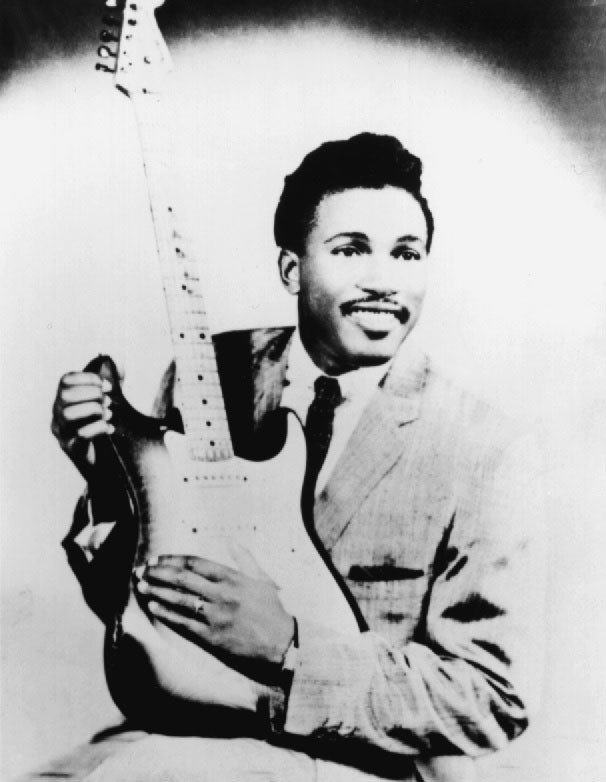
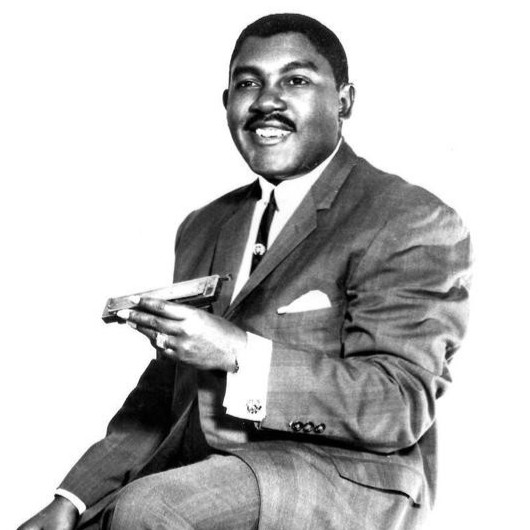
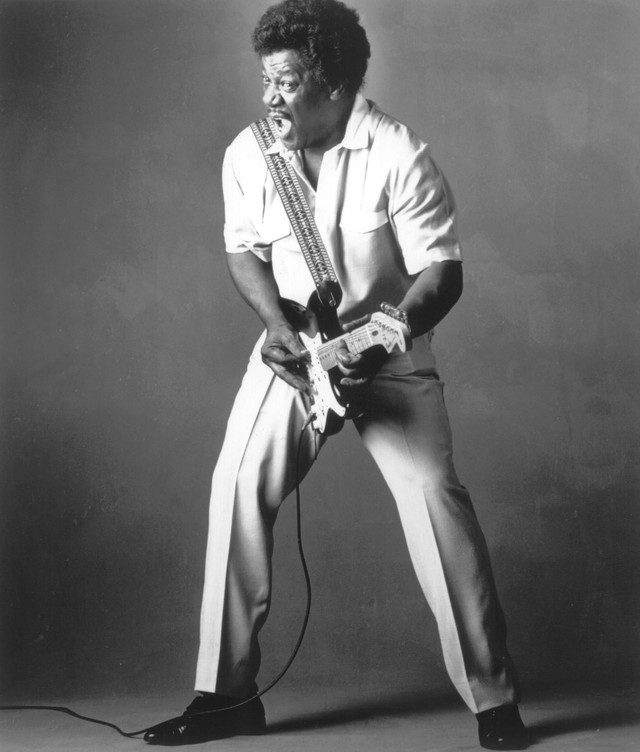
In the large stable of blues talent that Crowley, Louisiana producer Jay Miller recorded for the Nashville-based <a href="spotify:search:label%3A%22Excello%22">Excello</a> label, no one enjoyed more mainstream success than Slim Harpo. Just a shade behind <a href="spotify:artist:6MNoS1yW9FWwlYFaGjkz72">Lightnin' Slim</a> in local popularity, Harpo played both guitar and neck-rack harmonica in a more down-home approximation of <a href="spotify:artist:41ZMMuFFLPTVPkUsSI5KlV">Jimmy Reed</a>, with a few discernible, and distinctive, differences. Harpo's music was certainly more laid-back than <a href="spotify:artist:41ZMMuFFLPTVPkUsSI5KlV">Reed</a>'s, if such a notion was possible. But the rhythm was insistent and, overall, Harpo was more adaptable than <a href="spotify:artist:41ZMMuFFLPTVPkUsSI5KlV">Reed</a> or most other bluesmen. His material not only made the national charts, but also proved to be quite adaptable for white artists on both sides of the Atlantic, including <a href="spotify:artist:22bE4uQ6baNwSHPVcDxLCe">the Rolling Stones</a>, <a href="spotify:artist:2lxX1ivRYp26soIavdG9bX">Yardbirds</a>, <a href="spotify:artist:1SQRv42e4PjEYfPhS0Tk9E">Kinks</a>, <a href="spotify:artist:65Gh3BfK84aTIugiRCgLBA">Dave Edmunds</a> with <a href="spotify:artist:4D1hYdWKVKyQQQNxNHlYtq">Love Sculpture</a>, <a href="spotify:artist:44NX2ffIYHr6D4n7RaZF7A">Van Morrison</a> with <a href="spotify:artist:5BaHqGtf6UAZnHfqdPaTDA">Them</a>, <a href="spotify:search:label%3A%22Sun%22">Sun</a> rockabilly singer <a href="spotify:artist:3EPmCVUm7QNc1fSrLsXGq5">Warren Smith</a>, <a href="spotify:artist:2dyeCWctcFRt3Pha76ONgb">Hank Williams, Jr.</a>, and <a href="spotify:artist:6zmLTiN3NBNCDECRbbJKkT">the Fabulous Thunderbirds</a>.
A people-pleasing club entertainer, he certainly wasn't above working rock & roll rhythms into his music, along with hard-stressed, country & western vocal inflections. Several of his best tunes were co-written with his wife Lovelle and show a fine hand for song construction, appearing to have arrived at the studio already well-formed. His harmonica playing was driving and straightforward, full of surprising melody, while his vocals were perhaps best described by writer Peter Guralnick as "if a Black country & western singer or a white rhythm & blues singer were attempting to impersonate a member of the opposite genre." And here perhaps was Harpo's true genius, and what has given his music a wider currency. By the time his first single became a Southern jukebox favorite, his songs were being adapted and played by white musicians left and right. Here was good-time Saturday-night blues that could be sung by white musicians with a straight face. Nothing resembling the emotional investment of a <a href="spotify:artist:0Wxy5Qka8BN9crcFkiAxSR">Howlin' Wolf</a> or a <a href="spotify:artist:4y6J8jwRAwO4dssiSmN91R">Muddy Waters</a> was required; it all came natural and easy, and its influence has stood the test of time.
He was born James Moore just outside of Baton Rouge, Louisiana. After his parents died, he dropped out of school to work every juke joint, street corner, picnic, and house rent party that came his way. By this time he had acquired the alias of <a href="spotify:artist:0o9bW2W68YplxP98sAi4SU">Harmonica Slim</a>, which he used until his first record was released. It was fellow bluesman <a href="spotify:artist:6MNoS1yW9FWwlYFaGjkz72">Lightnin' Slim</a> who first steered him to local recordman J.D. Miller. The producer used him as an accompanist to <a href="spotify:artist:6EZzVXM2uDRPmnHWq9yPDE">Hopkins</a> on a half-dozen sides before recording him on his own. When it came time to release his first single ("I'm a King Bee"), Miller informed him that there was another <a href="spotify:artist:0o9bW2W68YplxP98sAi4SU">Harmonica Slim</a> recording on the West Coast, and a new name was needed before the record could come out. Moore's wife took the slang word for harmonica, added an "o" to the end of it, and a new stage name was the result, one that would stay with Slim Harpo for the rest of his career.
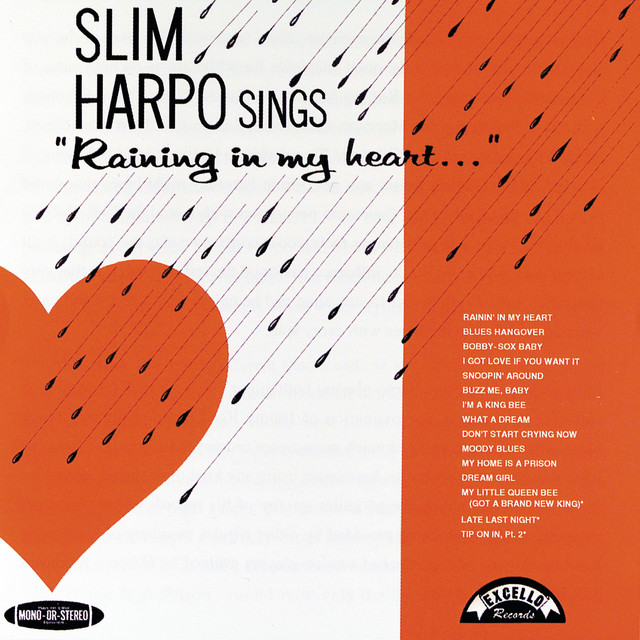
Harpo's first record became a double-sided R&B hit, spawning numerous follow-ups on the "King Bee" theme, but even bigger was "Rainin' in My Heart," which made the Billboard Top 40 pop charts in the summer of 1961. It was another perfect distillation of Harpo's across-the-board appeal, and was immediately adapted by country, Cajun, and rock & roll musicians; anybody could play it and sound good doing it. In the wake of <a href="spotify:artist:22bE4uQ6baNwSHPVcDxLCe">the Rolling Stones</a> covering "I'm a King Bee" on their first album, Slim had the biggest hit of his career in 1966 with "Baby, Scratch My Back." Harpo described it "as an attempt at rock & roll for me," and its appearance in Billboard's Top 20 pop charts prompted the dance-oriented follow-ups "Tip on In" and "Tee-Ni-Nee-Ni-Nu," both R&B charters. For the first time in his career, Harpo appeared in such far-flung locales as Los Angeles and New York City. Flush with success, he contacted <a href="spotify:artist:6MNoS1yW9FWwlYFaGjkz72">Lightnin' Slim</a>, who was then residing outside of Detroit, Michigan. The two reunited and formed a band, touring together as a sort of blues mini-package to appreciative white rock audiences until the end of the decade. The new year beckoned with a tour of Europe (his first ever) all firmed up, and a recording session scheduled when he arrived in London. Unexplainably, Harpo -- who had never been plagued with any ailments stronger than a common cold -- suddenly succumbed to a heart attack on January 31, 1970. ~ Cub Koda, Rovi
A people-pleasing club entertainer, he certainly wasn't above working rock & roll rhythms into his music, along with hard-stressed, country & western vocal inflections. Several of his best tunes were co-written with his wife Lovelle and show a fine hand for song construction, appearing to have arrived at the studio already well-formed. His harmonica playing was driving and straightforward, full of surprising melody, while his vocals were perhaps best described by writer Peter Guralnick as "if a Black country & western singer or a white rhythm & blues singer were attempting to impersonate a member of the opposite genre." And here perhaps was Harpo's true genius, and what has given his music a wider currency. By the time his first single became a Southern jukebox favorite, his songs were being adapted and played by white musicians left and right. Here was good-time Saturday-night blues that could be sung by white musicians with a straight face. Nothing resembling the emotional investment of a <a href="spotify:artist:0Wxy5Qka8BN9crcFkiAxSR">Howlin' Wolf</a> or a <a href="spotify:artist:4y6J8jwRAwO4dssiSmN91R">Muddy Waters</a> was required; it all came natural and easy, and its influence has stood the test of time.
He was born James Moore just outside of Baton Rouge, Louisiana. After his parents died, he dropped out of school to work every juke joint, street corner, picnic, and house rent party that came his way. By this time he had acquired the alias of <a href="spotify:artist:0o9bW2W68YplxP98sAi4SU">Harmonica Slim</a>, which he used until his first record was released. It was fellow bluesman <a href="spotify:artist:6MNoS1yW9FWwlYFaGjkz72">Lightnin' Slim</a> who first steered him to local recordman J.D. Miller. The producer used him as an accompanist to <a href="spotify:artist:6EZzVXM2uDRPmnHWq9yPDE">Hopkins</a> on a half-dozen sides before recording him on his own. When it came time to release his first single ("I'm a King Bee"), Miller informed him that there was another <a href="spotify:artist:0o9bW2W68YplxP98sAi4SU">Harmonica Slim</a> recording on the West Coast, and a new name was needed before the record could come out. Moore's wife took the slang word for harmonica, added an "o" to the end of it, and a new stage name was the result, one that would stay with Slim Harpo for the rest of his career.
Harpo's first record became a double-sided R&B hit, spawning numerous follow-ups on the "King Bee" theme, but even bigger was "Rainin' in My Heart," which made the Billboard Top 40 pop charts in the summer of 1961. It was another perfect distillation of Harpo's across-the-board appeal, and was immediately adapted by country, Cajun, and rock & roll musicians; anybody could play it and sound good doing it. In the wake of <a href="spotify:artist:22bE4uQ6baNwSHPVcDxLCe">the Rolling Stones</a> covering "I'm a King Bee" on their first album, Slim had the biggest hit of his career in 1966 with "Baby, Scratch My Back." Harpo described it "as an attempt at rock & roll for me," and its appearance in Billboard's Top 20 pop charts prompted the dance-oriented follow-ups "Tip on In" and "Tee-Ni-Nee-Ni-Nu," both R&B charters. For the first time in his career, Harpo appeared in such far-flung locales as Los Angeles and New York City. Flush with success, he contacted <a href="spotify:artist:6MNoS1yW9FWwlYFaGjkz72">Lightnin' Slim</a>, who was then residing outside of Detroit, Michigan. The two reunited and formed a band, touring together as a sort of blues mini-package to appreciative white rock audiences until the end of the decade. The new year beckoned with a tour of Europe (his first ever) all firmed up, and a recording session scheduled when he arrived in London. Unexplainably, Harpo -- who had never been plagued with any ailments stronger than a common cold -- suddenly succumbed to a heart attack on January 31, 1970. ~ Cub Koda, Rovi
Monthly Listeners
186,572
Monthly Listeners History
Track the evolution of monthly listeners over the last 28 days.
Followers
62,331
Followers History
Track the evolution of followers over the last 28 days.
Top Cities
3,306 listeners

2,505 listeners
2,306 listeners
2,278 listeners
1,742 listeners