Data may be outdated
Last updated: 1 month ago — Click refresh to get the latest statistics.
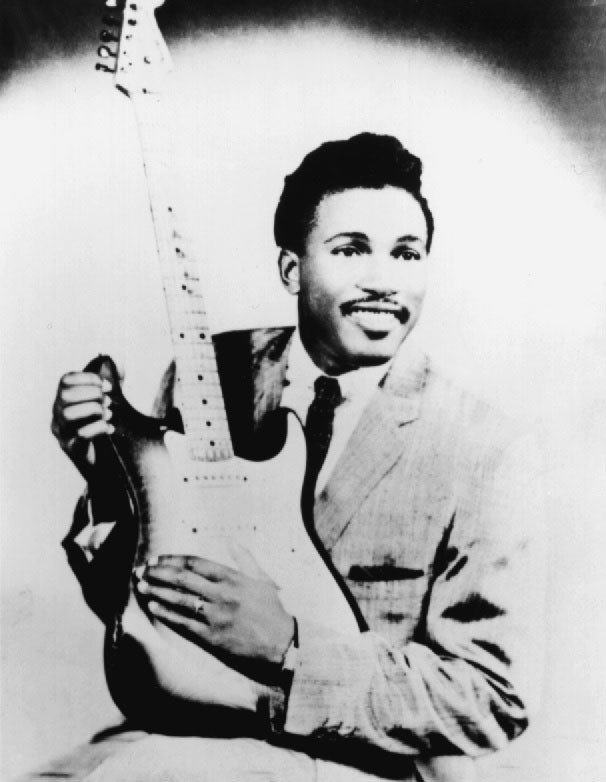
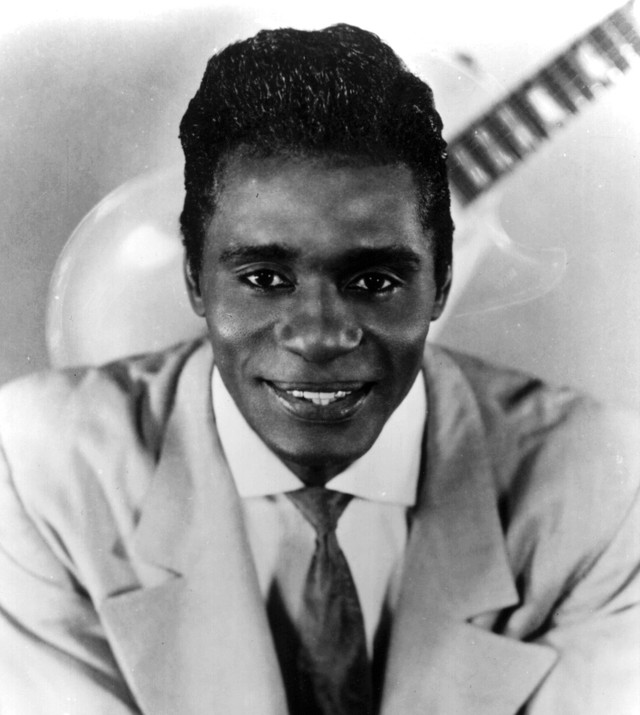
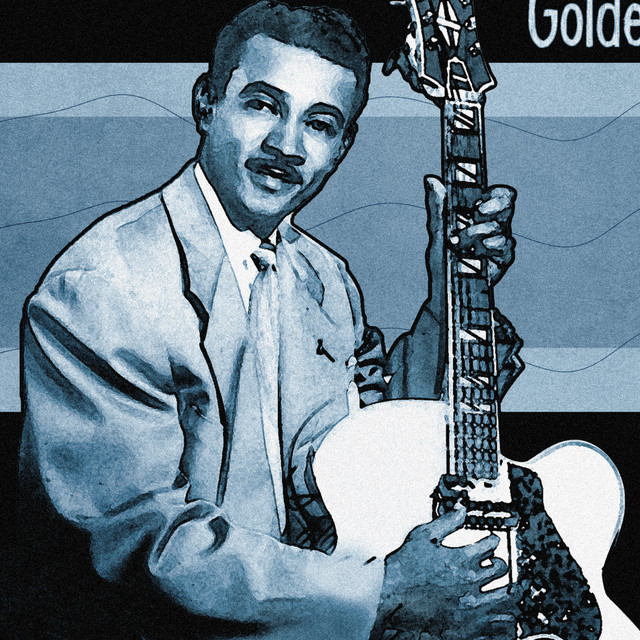
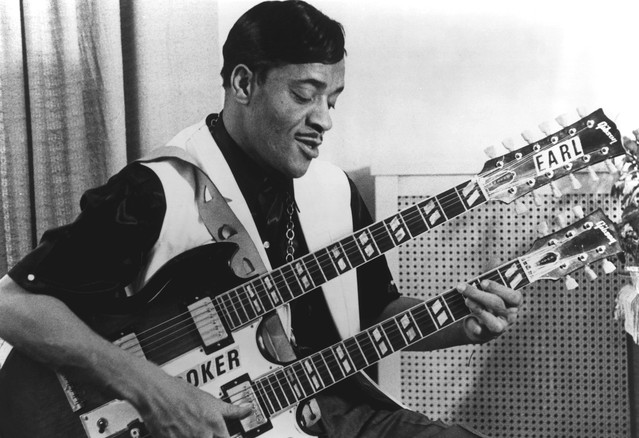
Like <a href="spotify:artist:6nPKmEbQmR8jGZEm7ArOFX">Walker</a>, Connie Crayton was a transplanted Texan. He relocated to Los Angeles in 1935, later moving north to the Bay Area. He signed with the Bihari brothers' L.A.-based Modern logo in 1948, quickly hitting pay dirt with the lowdown instrumental "Blues After Hours" (a kissin' cousin to <a href="spotify:artist:56FeQ03tAPYJ2gwmGhrpbF">Erskine Hawkins</a>' anthem "After Hours"), which topped the R&B charts in late 1948. The steaming "Texas Hop" trailed it up the lists shortly thereafter, followed the next year by "I Love You So." But Crayton's brief hitmaking reign was over, through no fault of his own.
After recording prolifically at Modern to no further commercial avail, Crayton moved on to Aladdin and, in 1954, Imperial. Under <a href="spotify:artist:4J7xpEpjniTZGE73PxVfkw">Dave Bartholomew</a>'s savvy production, Crayton made some of his best waxings in New Orleans: "Every Dog Has His Day," "You Know Yeah," and "Runnin' Wild" found Crayton's guitar turned up to the boiling point over the fat cushion of saxes characterizing the Crescent City sound.
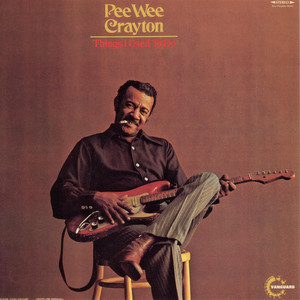
From there, Crayton tried to regain his momentum at Vee-Jay in Chicago; 1957's "I Found My Peace of Mind," a <a href="spotify:artist:1eYhYunlNJlDoQhtYBvPsi">Ray Charles</a>-tinged gem, should have done the trick, but no dice. After one-off 45s for Jamie, Guyden, and Smash during the early '60s, Crayton largely faded from view until Vanguard unleashed his LP, Things I Used to Do, in 1971. After that, Pee Wee Crayton's profile was raised somewhat; he toured and made a few more albums prior to his passing in 1985. ~ Bill Dahl, Rovi
Monthly Listeners
26,591
Monthly Listeners History
Track the evolution of monthly listeners over the last 28 days.
Followers
11,994
Followers History
Track the evolution of followers over the last 28 days.
Total Streams
10.9 million
Total Streams History
Track the evolution of total streams over the last 28 days. This data is calculated from all tracks listed in the artist's discography.
Top Cities




Related Artists




Matt "Guitar" Murphy