Data may be outdated
Last updated: 9 months ago — Click refresh to get the latest statistics.
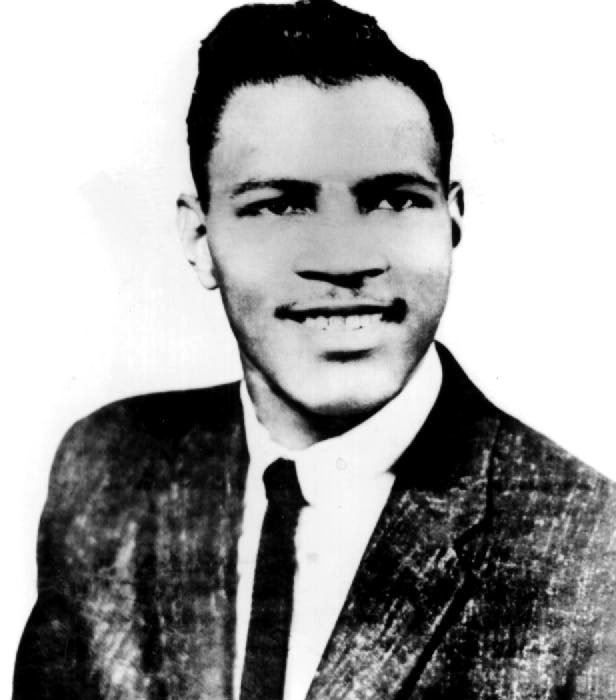
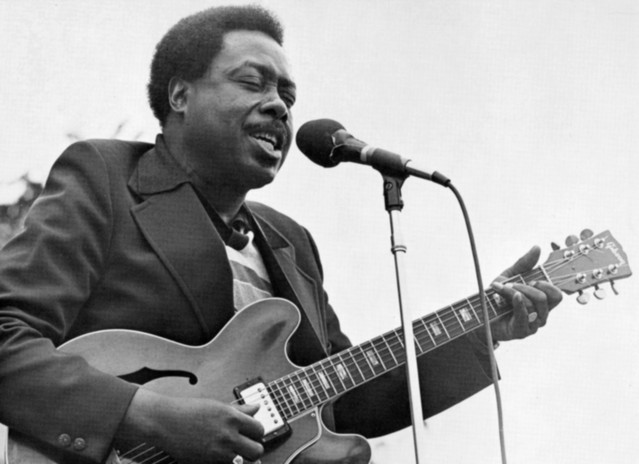
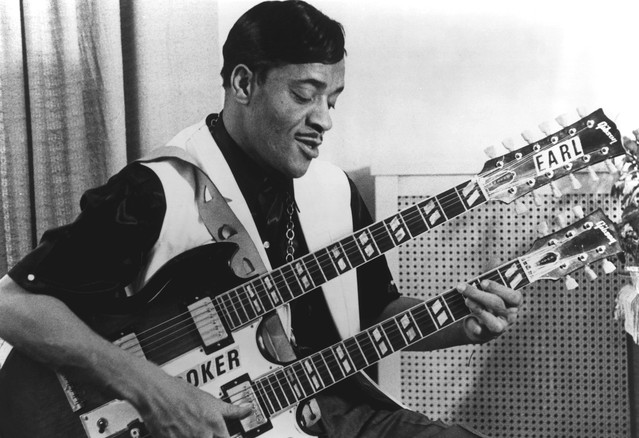
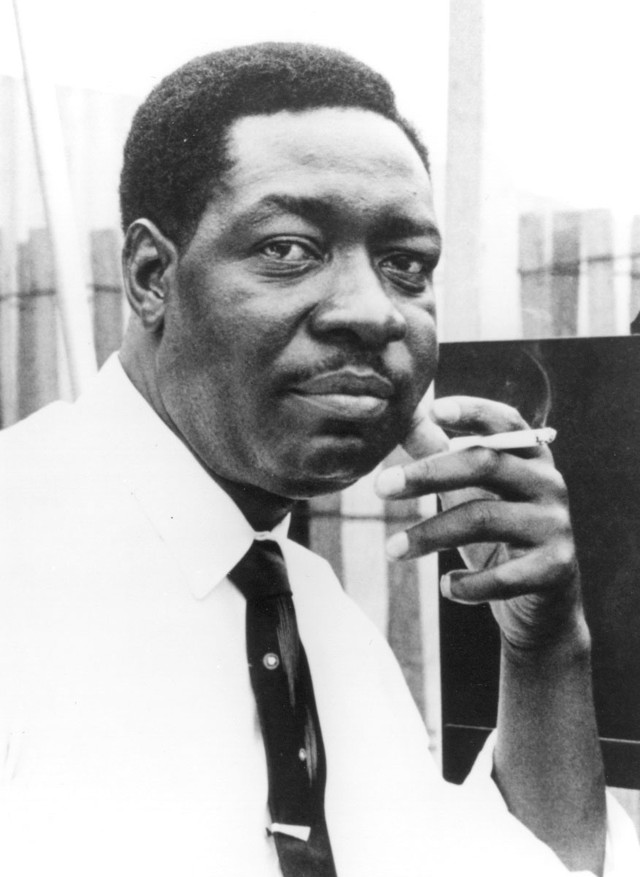
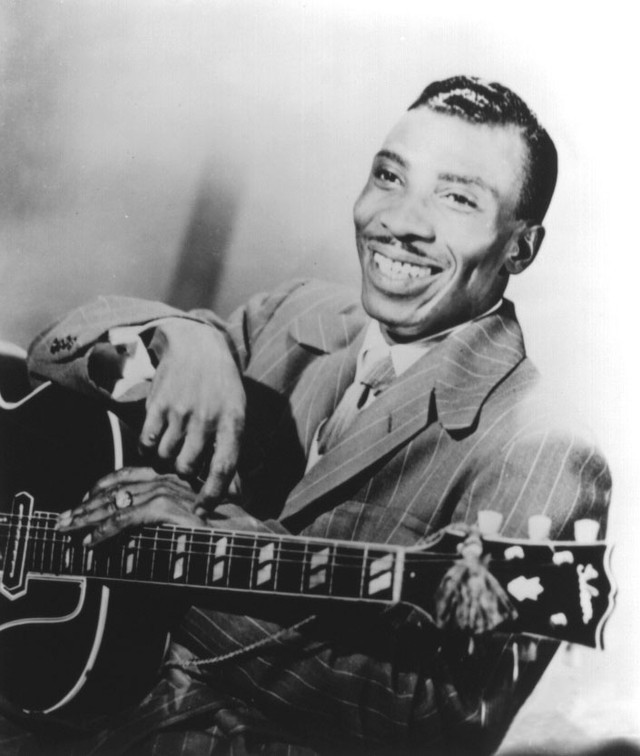
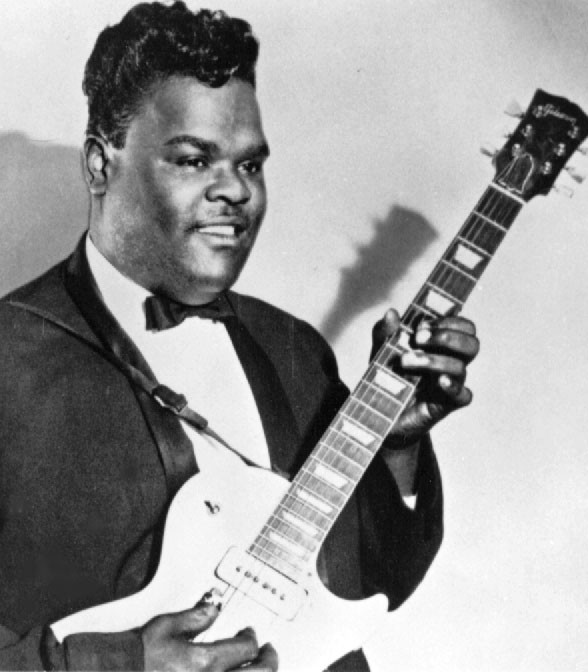
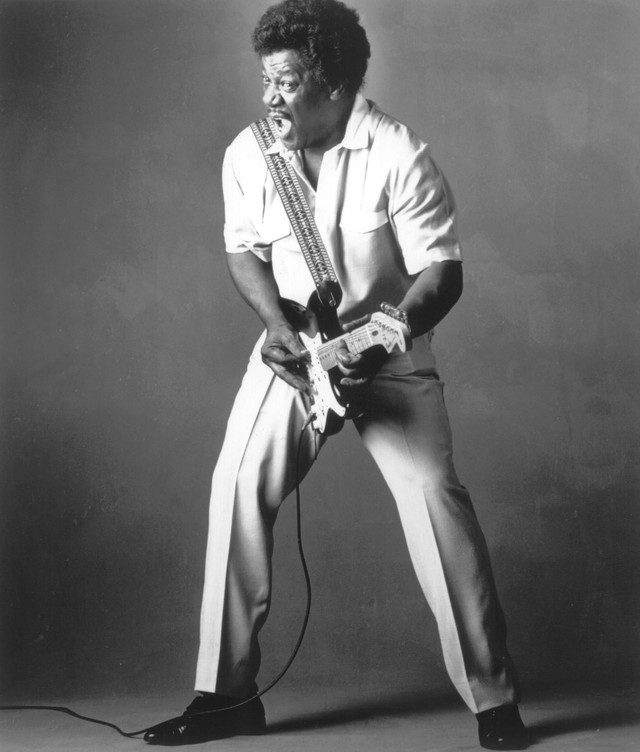
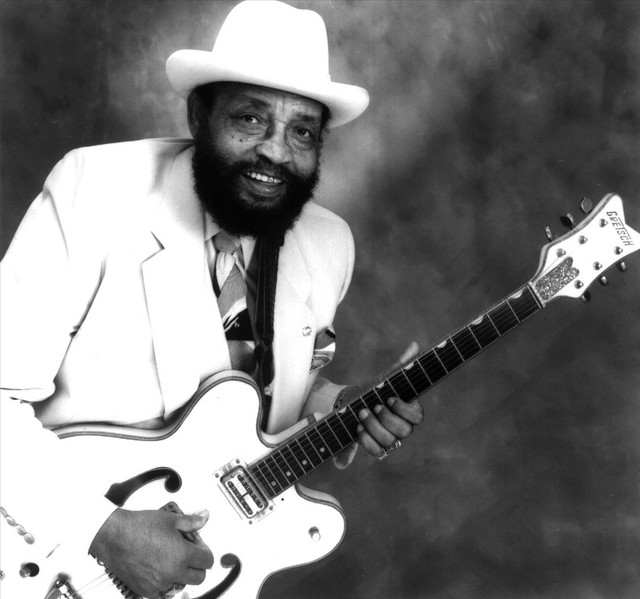
Lowell Fulson was one of the most important figures in post-war West Coast blues, a guitarist, singer, and songwriter who was active from the late 1940s to the mid-'90s. While Fulson seemed willing to do a little bit of everything over the course of his career, his best-known work was informed by jump blues and the polished, impassioned, big-city sound typified by his fellow California bluesman <a href="spotify:artist:6nPKmEbQmR8jGZEm7ArOFX">T-Bone Walker</a>. However, Fulson also cut spare, rural blues-styled material, strong soul-styled sides in the mid- to late '60s (1967's Tramp, including the hit title track), a smattering of funky, rock-infused blues (1970's In a Heavy Bag), and barroom-style guitar workouts (1995's late-era Them Update Blues).
Lowell Fulson was born on March 31, 1921 in Atoka, Oklahoma on a Native American reservation; his father was of Cherokee heritage. He was just six years old when his father died, and his mother moved the family to nearby Clarita, Oklahoma, where his grandfather owned land. Like many blues artists, Fulson got his start in music singing in church, and he took up the guitar when he was 12, soaking up the influences of <a href="spotify:artist:6EsuMifB8c5rm5P2DdjiLe">Blind Lemon Jefferson</a> and <a href="spotify:artist:7mPFWoDGjh7ArW1yr79EX8">Blind Boy Fuller</a>. He soon put his new talent to use playing dances with a local string band. When he turned 18, Fulson set out on his own, briefly living in Ada, Oklahoma and playing alongside local blues artist <a href="spotify:artist:1JzB486qiKybcJOnSMkOyf">Texas Alexander</a>, doing extensive regional touring that taught Fulson the ropes of a musician's life. After a year with <a href="spotify:artist:1JzB486qiKybcJOnSMkOyf">Alexander</a>, he pulled up stakes and headed to Gainesville, Texas, where he played Saturday night dances and worked a day job as a fry cook. Fulson was drafted into the military in 1943, and the Navy stationed him in Oakland, California, where he saw <a href="spotify:artist:6nPKmEbQmR8jGZEm7ArOFX">T-Bone Walker</a> perform several times. After he was discharged in 1945, Fulson settled in Oakland, where he played club gigs and formed a band with piano player Eldridge McCarthy. Producer and label head Bob Geddins heard Fulson and signed him to a deal, cutting material he leased to <a href="spotify:search:label%3A%22Swing+Time+Records%22">Swing Time Records</a>. Geddins believed in Fulson enough to buy him an electric guitar and an amplifier, and he recorded a handful of guitar duets with his brother Martin.
In 1948, Fulson scored his first hit when <a href="spotify:search:label%3A%22Swing+Time%22">Swing Time</a> issued his "Three O'clock in the Morning Blues," a number <a href="spotify:artist:5xLSa7l4IV1gsQfhAMvl0U">B.B. King</a> would rework as "Three O'clock Blues." More hits followed, including "Everyday I Have the Blues," "Blue Shadows," and "Lonesome Christmas." Fulson was playing frequent road dates, and put together a band that included <a href="spotify:artist:2dRsXWVnkku2cMDtV1h6NP">Stanley Turrentine</a> on sax and a young <a href="spotify:artist:1eYhYunlNJlDoQhtYBvPsi">Ray Charles</a> on piano. (<a href="spotify:artist:1eYhYunlNJlDoQhtYBvPsi">Charles</a> would later record one of Fulson's songs, "Sinner's Prayer.") Fulson and his band became a staple at nightclubs and R&B package shows in the South and Southwest, and in 1954 he signed a new recording contract with <a href="spotify:search:label%3A%22Checker+Records%22">Checker Records</a>, an offshoot of the successful blues label <a href="spotify:search:label%3A%22Chess+Records%22">Chess Records</a>. His first single for <a href="spotify:search:label%3A%22Checker%22">Checker</a>, "Reconsider Baby," became a major hit and the song became an oft-covered favorite, with <a href="spotify:artist:43ZHCT0cAZBISjO8DG9PnE">Elvis Presley</a> taking the song to the pop charts in 1960. Fulson would continue to record for <a href="spotify:search:label%3A%22Checker%22">Checker</a> until 1963, scoring hits with "Loving You," "That's All Right," "Low Society," and "Hung Down Head" that featured his sharp single-note solos, soulful vocals, and subtly impassioned arrangements.
After leaving <a href="spotify:search:label%3A%22Checker%22">Checker</a>, Fulson struck a new deal with the R&B label <a href="spotify:search:label%3A%22Kent+Records%22">Kent Records</a>, where he used the name Lowell Fulsom. In 1965 he charted one of his biggest hits, "Black Nights," which topped out at number 11 on the R&B Singles Chart. The next year was even better for him, as "Tramp," a playful number with a funky vibe, rose to number five R&B, with <a href="spotify:artist:60df5JBRRPcnSpsIMxxwQm">Otis Redding</a> and <a href="spotify:artist:1QAGLCom3FHTTiuRFsjzOj">Carla Thomas</a> soon covering the track and enjoying even greater success with it. Fulson's follow-up to "Tramp," "Make a Little Love," peaked at number 20 R&B, and for a while he was a bona fide star on the soul circuit. By 1970, Fulson had jumped from <a href="spotify:search:label%3A%22Kent%22">Kent</a> to <a href="spotify:search:label%3A%22Jewel+Records%22">Jewel Records</a>, where he cut a blues-rock set, In a Heavy Bag, where he was backed by the Muscle Shoals Rhythm Section. By the mid-'70s, Fulson's run of hits was over, but he was still in demand as a live act, especially on the West Coast, and went back to calling himself Lowell Fulson. He made records occasionally for specialist labels, including 1981's Blue Shadows (backed by the Canadian band Powder Blues) and 1984's One More Blues (accompanied by the Phillip Walker Blues Band). In 1988, <a href="spotify:search:label%3A%22Rounder%22">Rounder</a> brought out It's a Good Day, a strong set of contemporary barroom blues, and <a href="spotify:search:label%3A%22Rounder%22">Rounder</a>'s <a href="spotify:search:label%3A%22Bullseye+Blues%22">Bullseye Blues</a> imprint would issue two more latter-day efforts from him, 1992's Hold On and 1995's Them Update Blues. In the '90s, Fulson struggled with a variety of health problems, and in 1997 he retired from music. Lowell Fulson was less than a month away from his 78th birthday when he died in Long Beach, California on March 6, 1999. ~ Mark Deming, Rovi
Lowell Fulson was born on March 31, 1921 in Atoka, Oklahoma on a Native American reservation; his father was of Cherokee heritage. He was just six years old when his father died, and his mother moved the family to nearby Clarita, Oklahoma, where his grandfather owned land. Like many blues artists, Fulson got his start in music singing in church, and he took up the guitar when he was 12, soaking up the influences of <a href="spotify:artist:6EsuMifB8c5rm5P2DdjiLe">Blind Lemon Jefferson</a> and <a href="spotify:artist:7mPFWoDGjh7ArW1yr79EX8">Blind Boy Fuller</a>. He soon put his new talent to use playing dances with a local string band. When he turned 18, Fulson set out on his own, briefly living in Ada, Oklahoma and playing alongside local blues artist <a href="spotify:artist:1JzB486qiKybcJOnSMkOyf">Texas Alexander</a>, doing extensive regional touring that taught Fulson the ropes of a musician's life. After a year with <a href="spotify:artist:1JzB486qiKybcJOnSMkOyf">Alexander</a>, he pulled up stakes and headed to Gainesville, Texas, where he played Saturday night dances and worked a day job as a fry cook. Fulson was drafted into the military in 1943, and the Navy stationed him in Oakland, California, where he saw <a href="spotify:artist:6nPKmEbQmR8jGZEm7ArOFX">T-Bone Walker</a> perform several times. After he was discharged in 1945, Fulson settled in Oakland, where he played club gigs and formed a band with piano player Eldridge McCarthy. Producer and label head Bob Geddins heard Fulson and signed him to a deal, cutting material he leased to <a href="spotify:search:label%3A%22Swing+Time+Records%22">Swing Time Records</a>. Geddins believed in Fulson enough to buy him an electric guitar and an amplifier, and he recorded a handful of guitar duets with his brother Martin.
In 1948, Fulson scored his first hit when <a href="spotify:search:label%3A%22Swing+Time%22">Swing Time</a> issued his "Three O'clock in the Morning Blues," a number <a href="spotify:artist:5xLSa7l4IV1gsQfhAMvl0U">B.B. King</a> would rework as "Three O'clock Blues." More hits followed, including "Everyday I Have the Blues," "Blue Shadows," and "Lonesome Christmas." Fulson was playing frequent road dates, and put together a band that included <a href="spotify:artist:2dRsXWVnkku2cMDtV1h6NP">Stanley Turrentine</a> on sax and a young <a href="spotify:artist:1eYhYunlNJlDoQhtYBvPsi">Ray Charles</a> on piano. (<a href="spotify:artist:1eYhYunlNJlDoQhtYBvPsi">Charles</a> would later record one of Fulson's songs, "Sinner's Prayer.") Fulson and his band became a staple at nightclubs and R&B package shows in the South and Southwest, and in 1954 he signed a new recording contract with <a href="spotify:search:label%3A%22Checker+Records%22">Checker Records</a>, an offshoot of the successful blues label <a href="spotify:search:label%3A%22Chess+Records%22">Chess Records</a>. His first single for <a href="spotify:search:label%3A%22Checker%22">Checker</a>, "Reconsider Baby," became a major hit and the song became an oft-covered favorite, with <a href="spotify:artist:43ZHCT0cAZBISjO8DG9PnE">Elvis Presley</a> taking the song to the pop charts in 1960. Fulson would continue to record for <a href="spotify:search:label%3A%22Checker%22">Checker</a> until 1963, scoring hits with "Loving You," "That's All Right," "Low Society," and "Hung Down Head" that featured his sharp single-note solos, soulful vocals, and subtly impassioned arrangements.
After leaving <a href="spotify:search:label%3A%22Checker%22">Checker</a>, Fulson struck a new deal with the R&B label <a href="spotify:search:label%3A%22Kent+Records%22">Kent Records</a>, where he used the name Lowell Fulsom. In 1965 he charted one of his biggest hits, "Black Nights," which topped out at number 11 on the R&B Singles Chart. The next year was even better for him, as "Tramp," a playful number with a funky vibe, rose to number five R&B, with <a href="spotify:artist:60df5JBRRPcnSpsIMxxwQm">Otis Redding</a> and <a href="spotify:artist:1QAGLCom3FHTTiuRFsjzOj">Carla Thomas</a> soon covering the track and enjoying even greater success with it. Fulson's follow-up to "Tramp," "Make a Little Love," peaked at number 20 R&B, and for a while he was a bona fide star on the soul circuit. By 1970, Fulson had jumped from <a href="spotify:search:label%3A%22Kent%22">Kent</a> to <a href="spotify:search:label%3A%22Jewel+Records%22">Jewel Records</a>, where he cut a blues-rock set, In a Heavy Bag, where he was backed by the Muscle Shoals Rhythm Section. By the mid-'70s, Fulson's run of hits was over, but he was still in demand as a live act, especially on the West Coast, and went back to calling himself Lowell Fulson. He made records occasionally for specialist labels, including 1981's Blue Shadows (backed by the Canadian band Powder Blues) and 1984's One More Blues (accompanied by the Phillip Walker Blues Band). In 1988, <a href="spotify:search:label%3A%22Rounder%22">Rounder</a> brought out It's a Good Day, a strong set of contemporary barroom blues, and <a href="spotify:search:label%3A%22Rounder%22">Rounder</a>'s <a href="spotify:search:label%3A%22Bullseye+Blues%22">Bullseye Blues</a> imprint would issue two more latter-day efforts from him, 1992's Hold On and 1995's Them Update Blues. In the '90s, Fulson struggled with a variety of health problems, and in 1997 he retired from music. Lowell Fulson was less than a month away from his 78th birthday when he died in Long Beach, California on March 6, 1999. ~ Mark Deming, Rovi
Monthly Listeners
132,753
Monthly Listeners History
Track the evolution of monthly listeners over the last 28 days.
Followers
30,161
Followers History
Track the evolution of followers over the last 28 days.
Top Cities
2,879 listeners

1,973 listeners

1,777 listeners

1,090 listeners

1,071 listeners