Artist
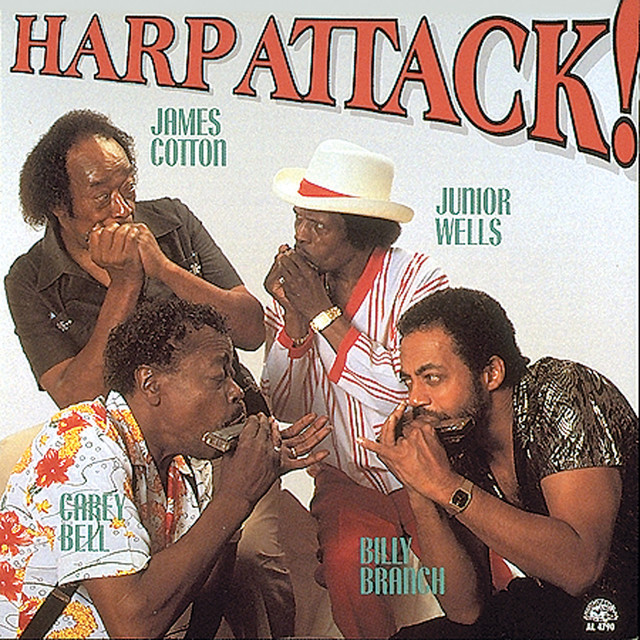
Junior Wells
Data may be outdated
Last updated: 9 months ago — Click refresh to get the latest statistics.
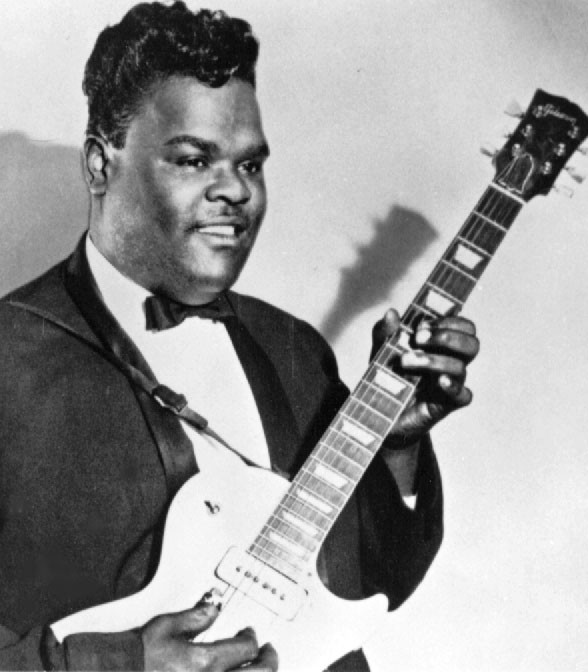
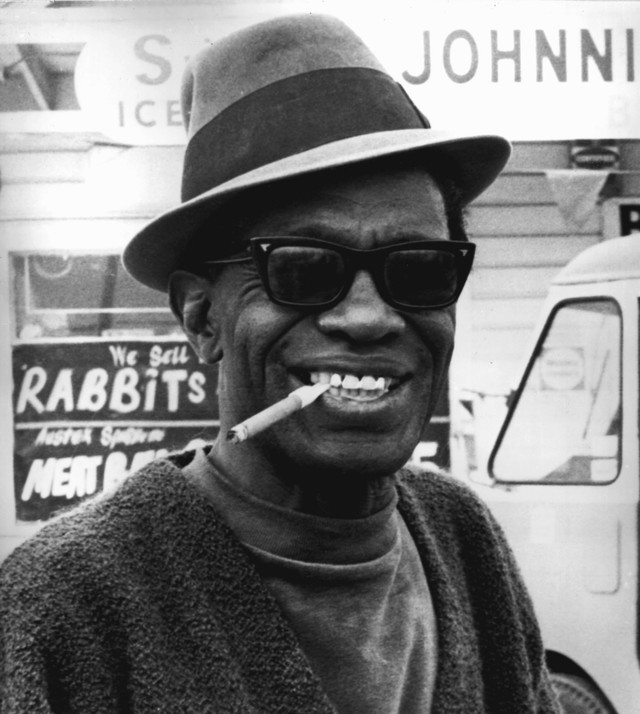
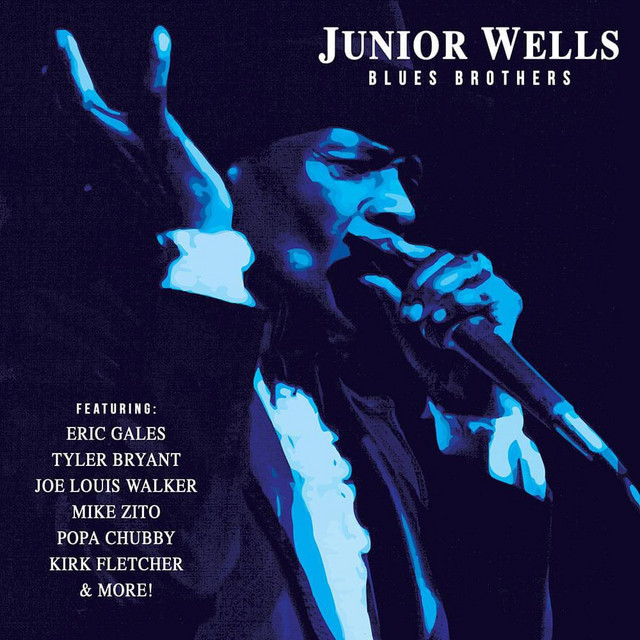
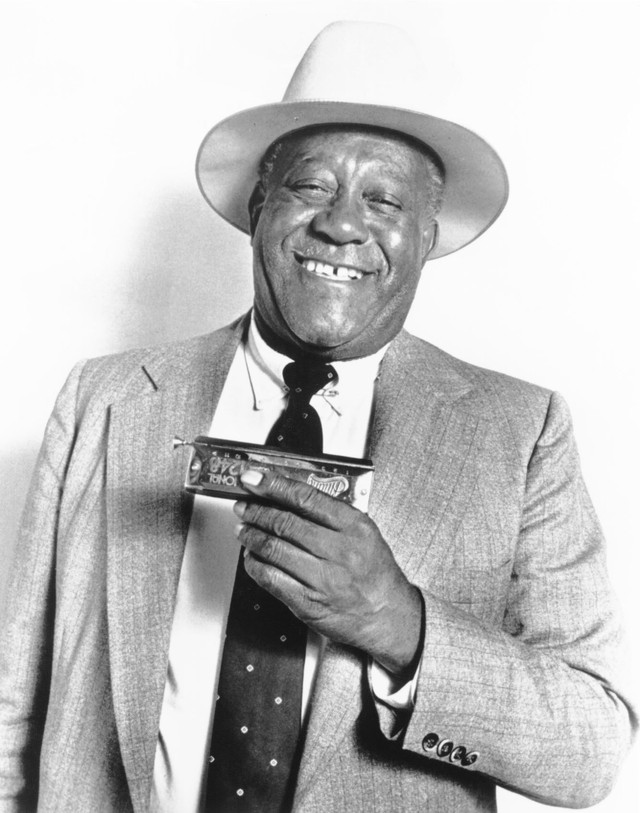
He was one bad dude, strutting across the stage like a harp-toting gangster, mesmerizing the crowd with his tough-guy antics and rib-sticking Chicago blues attack. Amazingly, Junior Wells kept at precisely this sort of thing for over 40 years; he was an active performer from the dawn of the '50s until his death in the late '90s. Born in Memphis, Wells learned his earliest harp licks from another future legend, <a href="spotify:artist:6XYy5PbBFvsABSY2ZS6R8u">Little Junior Parker</a>, before he came to Chicago at age 12. In 1950, the teenager passed an impromptu audition for guitarists <a href="spotify:artist:2MHJe9H2p09aSHJm7yrwNh">Louis</a> and David Myers at a house party on the South Side, and <a href="spotify:artist:3lQGzIxapa9w0x84LIAKPI">the Deuces</a> were born. When drummer <a href="spotify:artist:6NPFF9pJYwMgxqHKK7Lhj6">Fred Below</a> came aboard, they changed their name to <a href="spotify:artist:3lQGzIxapa9w0x84LIAKPI">the Aces</a>.
<a href="spotify:artist:22JuR9OeENcP54XN5TlNWS">Little Walter</a> left <a href="spotify:artist:4y6J8jwRAwO4dssiSmN91R">Muddy Waters</a> in 1952 (in the wake of his hit instrumental "Juke"), and Wells jumped ship to take his place with <a href="spotify:artist:4y6J8jwRAwO4dssiSmN91R">Waters</a>. That didn't stop <a href="spotify:artist:3lQGzIxapa9w0x84LIAKPI">the Aces</a> (who joined forces with <a href="spotify:artist:22JuR9OeENcP54XN5TlNWS">Little Walter</a>) from backing Wells on his initial sessions for <a href="spotify:search:label%3A%22States+Records%22">States Records</a>, though -- his debut date produced some seminal Chicago blues efforts, including his first reading of "Hoodoo Man," a rollicking "Cut That Out," and the blazing instrumentals "Eagle Rock" and "Junior's Wail." More fireworks ensued the next year when he encored for <a href="spotify:search:label%3A%22States%22">States</a> with a mournful "So All Alone" and the jumping "Lawdy! Lawdy!" (<a href="spotify:artist:4y6J8jwRAwO4dssiSmN91R">Muddy Waters</a> moonlighted on guitar for the session). Wells was already exhibiting his tempestuous side -- he was allegedly AWOL from the Army at the time.
In 1957, Wells hooked up with producer Mel London, who owned the Chief and <a href="spotify:search:label%3A%22Profile%22">Profile</a> logos. The association resulted in many of Wells' most enduring sides, including "I Could Cry" and the rock & rolling "Lovey Dovey Lovely One" in 1957, the grinding national R&B hit "Little by Little" (with <a href="spotify:artist:5v8WPpMk60cqZbuZLdXjKY">Willie Dixon</a> providing vocal harmony) in 1959, and the R&B-laced classic "Messin' with the Kid" in 1960 (sporting <a href="spotify:artist:3Ev1WS21x5Jav9j214A19O">Earl Hooker</a>'s immaculate guitar work). Wells' harp was de-emphasized during this period on record in favor of his animated vocals. With Bob Koester producing, the harpist cut an all-time classic LP for <a href="spotify:search:label%3A%22Delmark%22">Delmark</a> in 1965. Hoodoo Man Blues vividly captured the feel of a typical Wells set at Theresa's Lounge, even though it was cut in a studio. With <a href="spotify:artist:2gCsNOpiBaMNh20jQ5prf0">Buddy Guy</a> (initially billed as "Friendly Chap" due to his contract with <a href="spotify:search:label%3A%22Chess%22">Chess</a>) providing concise lead guitar, Wells laid down definitive versions of "Snatch It Back and Hold It," "You Don't Love Me," and "Chitlin' con Carne."
The harpist made his second appearance on the national R&B lists in 1968 with a funky <a href="spotify:artist:7GaxyUddsPok8BuhxN6OUW">James Brown</a>-tinged piece, "You're Tuff Enough," for <a href="spotify:search:label%3A%22Mercury%22">Mercury</a>'s feisty Blue Rock logo. Wells had been working in this bag for some time, alarming the purists but delighting R&B fans; his brass-powered 1966 single for <a href="spotify:search:label%3A%22Bright+Star%22">Bright Star</a>, "Up in Heah," had previously made a lot of local noise. After a fine mid-'70s set for <a href="spotify:search:label%3A%22Delmark%22">Delmark</a> (On Tap), little was heard from Wells on vinyl for an extended spell, though he continued to enjoy massive appeal at home (Theresa's was his principal haunt for many a moon) and abroad (whether on his own or in partnership with <a href="spotify:artist:2gCsNOpiBaMNh20jQ5prf0">Guy</a>; they opened for <a href="spotify:artist:22bE4uQ6baNwSHPVcDxLCe">the Rolling Stones</a> on one memorable tour and cut an inconsistent but interesting album for <a href="spotify:search:label%3A%22Atco%22">Atco</a> in the early '70s).
Toward the end of his career, Wells just didn't seem to be into recording anymore; a pair of sets for Telarc in the early '90s were major disappointments, but his last studio session, 1997's Come on in This House, found him on the rebound and the critics noticed: the album won the <a href="spotify:artist:7mDbAZV24eEmw5VJpKlCi9">W.C. Handy</a> Blues Award for Traditional Blues Album in 1997. Even when he came up short in the studio, Wells remained a potent live attraction, cutting a familiar swaggering figure, commanding the attention of everyone in the room with one menacing yelp or a punctuating blast from his amplified harmonica. He continued performing until he was diagnosed with lymphatic cancer in the summer of 1997. That fall, he suffered a heart attack while undergoing treatment, sending him into a coma. Wells stayed in the coma until he passed away on January 15, 1998. A handful of compilations were released shortly after his death, as was the film Blues Brothers 2000, which featured a cameo by Wells. ~ Bill Dahl, Rovi
<a href="spotify:artist:22JuR9OeENcP54XN5TlNWS">Little Walter</a> left <a href="spotify:artist:4y6J8jwRAwO4dssiSmN91R">Muddy Waters</a> in 1952 (in the wake of his hit instrumental "Juke"), and Wells jumped ship to take his place with <a href="spotify:artist:4y6J8jwRAwO4dssiSmN91R">Waters</a>. That didn't stop <a href="spotify:artist:3lQGzIxapa9w0x84LIAKPI">the Aces</a> (who joined forces with <a href="spotify:artist:22JuR9OeENcP54XN5TlNWS">Little Walter</a>) from backing Wells on his initial sessions for <a href="spotify:search:label%3A%22States+Records%22">States Records</a>, though -- his debut date produced some seminal Chicago blues efforts, including his first reading of "Hoodoo Man," a rollicking "Cut That Out," and the blazing instrumentals "Eagle Rock" and "Junior's Wail." More fireworks ensued the next year when he encored for <a href="spotify:search:label%3A%22States%22">States</a> with a mournful "So All Alone" and the jumping "Lawdy! Lawdy!" (<a href="spotify:artist:4y6J8jwRAwO4dssiSmN91R">Muddy Waters</a> moonlighted on guitar for the session). Wells was already exhibiting his tempestuous side -- he was allegedly AWOL from the Army at the time.
In 1957, Wells hooked up with producer Mel London, who owned the Chief and <a href="spotify:search:label%3A%22Profile%22">Profile</a> logos. The association resulted in many of Wells' most enduring sides, including "I Could Cry" and the rock & rolling "Lovey Dovey Lovely One" in 1957, the grinding national R&B hit "Little by Little" (with <a href="spotify:artist:5v8WPpMk60cqZbuZLdXjKY">Willie Dixon</a> providing vocal harmony) in 1959, and the R&B-laced classic "Messin' with the Kid" in 1960 (sporting <a href="spotify:artist:3Ev1WS21x5Jav9j214A19O">Earl Hooker</a>'s immaculate guitar work). Wells' harp was de-emphasized during this period on record in favor of his animated vocals. With Bob Koester producing, the harpist cut an all-time classic LP for <a href="spotify:search:label%3A%22Delmark%22">Delmark</a> in 1965. Hoodoo Man Blues vividly captured the feel of a typical Wells set at Theresa's Lounge, even though it was cut in a studio. With <a href="spotify:artist:2gCsNOpiBaMNh20jQ5prf0">Buddy Guy</a> (initially billed as "Friendly Chap" due to his contract with <a href="spotify:search:label%3A%22Chess%22">Chess</a>) providing concise lead guitar, Wells laid down definitive versions of "Snatch It Back and Hold It," "You Don't Love Me," and "Chitlin' con Carne."
The harpist made his second appearance on the national R&B lists in 1968 with a funky <a href="spotify:artist:7GaxyUddsPok8BuhxN6OUW">James Brown</a>-tinged piece, "You're Tuff Enough," for <a href="spotify:search:label%3A%22Mercury%22">Mercury</a>'s feisty Blue Rock logo. Wells had been working in this bag for some time, alarming the purists but delighting R&B fans; his brass-powered 1966 single for <a href="spotify:search:label%3A%22Bright+Star%22">Bright Star</a>, "Up in Heah," had previously made a lot of local noise. After a fine mid-'70s set for <a href="spotify:search:label%3A%22Delmark%22">Delmark</a> (On Tap), little was heard from Wells on vinyl for an extended spell, though he continued to enjoy massive appeal at home (Theresa's was his principal haunt for many a moon) and abroad (whether on his own or in partnership with <a href="spotify:artist:2gCsNOpiBaMNh20jQ5prf0">Guy</a>; they opened for <a href="spotify:artist:22bE4uQ6baNwSHPVcDxLCe">the Rolling Stones</a> on one memorable tour and cut an inconsistent but interesting album for <a href="spotify:search:label%3A%22Atco%22">Atco</a> in the early '70s).
Toward the end of his career, Wells just didn't seem to be into recording anymore; a pair of sets for Telarc in the early '90s were major disappointments, but his last studio session, 1997's Come on in This House, found him on the rebound and the critics noticed: the album won the <a href="spotify:artist:7mDbAZV24eEmw5VJpKlCi9">W.C. Handy</a> Blues Award for Traditional Blues Album in 1997. Even when he came up short in the studio, Wells remained a potent live attraction, cutting a familiar swaggering figure, commanding the attention of everyone in the room with one menacing yelp or a punctuating blast from his amplified harmonica. He continued performing until he was diagnosed with lymphatic cancer in the summer of 1997. That fall, he suffered a heart attack while undergoing treatment, sending him into a coma. Wells stayed in the coma until he passed away on January 15, 1998. A handful of compilations were released shortly after his death, as was the film Blues Brothers 2000, which featured a cameo by Wells. ~ Bill Dahl, Rovi
Monthly Listeners
130,666
Monthly Listeners History
Track the evolution of monthly listeners over the last 28 days.
Followers
128,226
Followers History
Track the evolution of followers over the last 28 days.
Top Cities



Related Artists





Jimmie Vaughan