Data may be outdated
Last updated: 7 months ago — Click refresh to get the latest statistics.
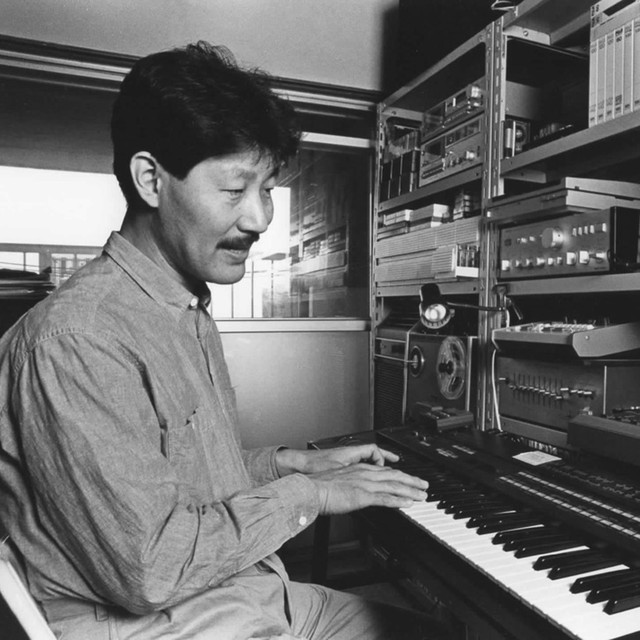
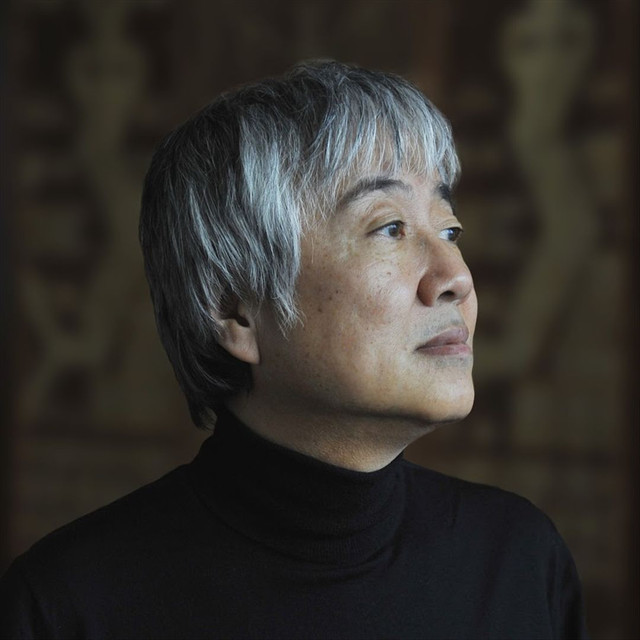
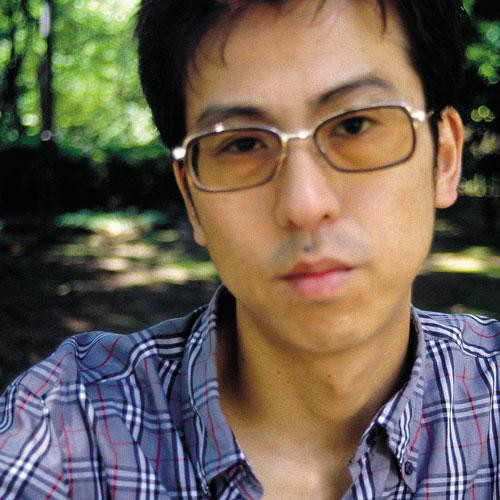
Susumu Yokota was an eclectic, highly prolific electronic musician and composer from Japan. Though he was initially known throughout the 1990s for producing dance music, he gained more of an international following around the turn of the millennium for his ambient and experimental works, which unfold with the patience of a butoh dance, all small gestures and gradually shifting layers of quiet sound. His earliest releases ranged from the acid trance of The Frankfurt-Tokyo Connection (1993) to the breezy, Detroit-inspired techno and house of Metronome Melody (as Prism, 1995). Sakura, a set of ethereal, loop-based meditations first released in 1999, was praised by critics, and has since become regarded as an ambient classic. While much of his more well-known subsequent work consisted of ambient and downtempo releases, including 2001's Grinning Cat and 2004's classical-influenced Symbol, he continued to occasionally release techno and house albums, such as 2009's Psychic Dance.
Yokota's earliest release was Brainthump, a 1992 trance EP issued under the name Tenshin by German label No Respect Records. Debut full-length The Frankfurt-Tokyo Connection (billed as simply Yokota) was released by the respected <a href="spotify:search:label%3A%22Harthouse%22">Harthouse</a> label in 1993, and another German label, <a href="spotify:search:label%3A%22Space+Teddy%22">Space Teddy</a>, soon began releasing Yokota's first forays into ambient techno, under the name Ebi. Linking with Japanese label <a href="spotify:search:label%3A%22Sublime+Records%22">Sublime Records</a>, Acid Mt. Fuji was released in 1994, and 1995 brought Plantation, Yokota's sole album under the pseudonym Ringo, as well as Prism's debut, Metronome Melody. Yokota also collaborated with Ray Castle as the ambient duo Mantaray and as part of the Goa trance project Sonic Sufi, who both issued one-off albums in 1995. Anima:Beat, a tribal-influenced techno album credited to Anima Mundi, was released by Newstage Records in 1996. The self-titled debut by Bamboo Data, Yokota's experimental project with Thomas Bit, also appeared during the year. Cat, Mouse and Me, the second album credited to Yokota's surname, appeared on <a href="spotify:search:label%3A%22Harthouse%22">Harthouse</a> in 1997. As Stevia, Yokota released Fruits of the Room, which flirted with drum'n'bass, and the second Prism album, Fallen Angel, mixed breakbeat with deep house.
During 1998, Yokota issued the breakbeat-heavy Greenpeace (as Stevia) on <a href="spotify:search:label%3A%22NS-Com%22">NS-Com</a> and the disco-house album 1998 on <a href="spotify:search:label%3A%22Sublime%22">Sublime</a>. He also formed his own <a href="spotify:search:label%3A%22Skintone%22">Skintone</a> imprint and released two of his most experimental albums to that point, Image 1983-1998 (a collection of previously unreleased works) and Magic Thread, both of which were subsequently issued by British label <a href="spotify:search:label%3A%22Leaf%22">Leaf</a>. 1999's ambient-leaning Sakura was also picked up by <a href="spotify:search:label%3A%22Leaf%22">Leaf</a> and garnered international acclaim; Mix, containing more club-friendly versions of some of the same tracks, appeared the same year, as well as another house effort, simply titled 1999. 2000's Zero contained Yokota's cover of <a href="spotify:artist:6ghiUK2ao3KcmmDt2pbNzN">Idris Muhammad</a>'s underground disco classic "Could Heaven Ever Be Like This." The next year, Yokota released Zero Remixes, the house album Will, and the more experimental Grinning Cat, as well as Leaf Compilation, a mixed selection of tracks from the label. Continuing to represent the two sides of Yokota's output, <a href="spotify:search:label%3A%22Sublime%22">Sublime</a> released 2002's clubby Sound of Sky, while the more abstract The Boy and the Tree appeared on <a href="spotify:search:label%3A%22Skintone%22">Skintone</a> and <a href="spotify:search:label%3A%22Leaf%22">Leaf</a>. Over Head, a set of experimental breakbeat tracks, was released by <a href="spotify:search:label%3A%22Play+Label%22">Play Label</a> in 2003, and the soothing minimalism of Laputa came out on <a href="spotify:search:label%3A%22Skintone%22">Skintone</a>.
Deep house effort Baroque was put out by <a href="spotify:search:label%3A%22United+Sounds+of+Blue%22">United Sounds of Blue</a> in 2004, and Symbol, heavily based on samples of classical music, was released by <a href="spotify:search:label%3A%22Skintone%22">Skintone</a> that year. It was then issued internationally by <a href="spotify:search:label%3A%22Lo%22">Lo</a> in 2005, who also released Distant Sounds of Summer, Yokota's full-length collaboration with <a href="spotify:artist:00ZyEQUmhmVzTG1dbgvcTM">Rothko</a>. Similar to his previous mix for <a href="spotify:search:label%3A%22Leaf%22">Leaf</a>, the producer released Lo Compilation in 2006. Wonder Waltz, a full-length of waltz-tempo pieces featuring vocalists including <a href="spotify:artist:3UsQ4XdEqcQ1PoUI1wV0Lb">Kahimi Karie</a> and <a href="spotify:artist:6nqfL5IiBY4ouClK4rjTn6">Iva Bittová</a>, appeared that year, and Yokota continued his fixation on the time signature with the techno album Triple Time Dance, released by Koplatiko. Love or Die and retrospective Skintone Collection both appeared in 2007.
After a short break, Yokota resurfaced in 2009 with Mother, another vocal-heavy release, featuring his <a href="spotify:search:label%3A%22Lo%22">Lo</a> labelmates Caroline Ross and <a href="spotify:artist:6sHQGrAXqMEm7bQGKLJ0Ha">Nancy Elizabeth</a>. He also returned to <a href="spotify:search:label%3A%22Harthouse%22">Harthouse</a> with the digital-only minimal techno album Psychic Dance. <a href="spotify:search:label%3A%22Lo%22">Lo</a> released Yokota's final two albums, Kaleidoscope (2010) and Dreamer (2012), both of which arranged organic samples in trippy, surreal ways. After a long period of illness, Yokota died on March 27, 2015, at the age of 54. A few years later, Mark Beazley of <a href="spotify:artist:00ZyEQUmhmVzTG1dbgvcTM">Rothko</a> discovered a DAT tape of unreleased material by Yokota, including early versions of tracks that appeared on The Boy and the Tree. He sent the recordings to <a href="spotify:search:label%3A%22Lo+Recordings%22">Lo Recordings</a>' Jon Tye, who released them as Cloud Hidden in 2019. ~ Paul Simpson & Mark Richardson, Rovi
Yokota's earliest release was Brainthump, a 1992 trance EP issued under the name Tenshin by German label No Respect Records. Debut full-length The Frankfurt-Tokyo Connection (billed as simply Yokota) was released by the respected <a href="spotify:search:label%3A%22Harthouse%22">Harthouse</a> label in 1993, and another German label, <a href="spotify:search:label%3A%22Space+Teddy%22">Space Teddy</a>, soon began releasing Yokota's first forays into ambient techno, under the name Ebi. Linking with Japanese label <a href="spotify:search:label%3A%22Sublime+Records%22">Sublime Records</a>, Acid Mt. Fuji was released in 1994, and 1995 brought Plantation, Yokota's sole album under the pseudonym Ringo, as well as Prism's debut, Metronome Melody. Yokota also collaborated with Ray Castle as the ambient duo Mantaray and as part of the Goa trance project Sonic Sufi, who both issued one-off albums in 1995. Anima:Beat, a tribal-influenced techno album credited to Anima Mundi, was released by Newstage Records in 1996. The self-titled debut by Bamboo Data, Yokota's experimental project with Thomas Bit, also appeared during the year. Cat, Mouse and Me, the second album credited to Yokota's surname, appeared on <a href="spotify:search:label%3A%22Harthouse%22">Harthouse</a> in 1997. As Stevia, Yokota released Fruits of the Room, which flirted with drum'n'bass, and the second Prism album, Fallen Angel, mixed breakbeat with deep house.
During 1998, Yokota issued the breakbeat-heavy Greenpeace (as Stevia) on <a href="spotify:search:label%3A%22NS-Com%22">NS-Com</a> and the disco-house album 1998 on <a href="spotify:search:label%3A%22Sublime%22">Sublime</a>. He also formed his own <a href="spotify:search:label%3A%22Skintone%22">Skintone</a> imprint and released two of his most experimental albums to that point, Image 1983-1998 (a collection of previously unreleased works) and Magic Thread, both of which were subsequently issued by British label <a href="spotify:search:label%3A%22Leaf%22">Leaf</a>. 1999's ambient-leaning Sakura was also picked up by <a href="spotify:search:label%3A%22Leaf%22">Leaf</a> and garnered international acclaim; Mix, containing more club-friendly versions of some of the same tracks, appeared the same year, as well as another house effort, simply titled 1999. 2000's Zero contained Yokota's cover of <a href="spotify:artist:6ghiUK2ao3KcmmDt2pbNzN">Idris Muhammad</a>'s underground disco classic "Could Heaven Ever Be Like This." The next year, Yokota released Zero Remixes, the house album Will, and the more experimental Grinning Cat, as well as Leaf Compilation, a mixed selection of tracks from the label. Continuing to represent the two sides of Yokota's output, <a href="spotify:search:label%3A%22Sublime%22">Sublime</a> released 2002's clubby Sound of Sky, while the more abstract The Boy and the Tree appeared on <a href="spotify:search:label%3A%22Skintone%22">Skintone</a> and <a href="spotify:search:label%3A%22Leaf%22">Leaf</a>. Over Head, a set of experimental breakbeat tracks, was released by <a href="spotify:search:label%3A%22Play+Label%22">Play Label</a> in 2003, and the soothing minimalism of Laputa came out on <a href="spotify:search:label%3A%22Skintone%22">Skintone</a>.
Deep house effort Baroque was put out by <a href="spotify:search:label%3A%22United+Sounds+of+Blue%22">United Sounds of Blue</a> in 2004, and Symbol, heavily based on samples of classical music, was released by <a href="spotify:search:label%3A%22Skintone%22">Skintone</a> that year. It was then issued internationally by <a href="spotify:search:label%3A%22Lo%22">Lo</a> in 2005, who also released Distant Sounds of Summer, Yokota's full-length collaboration with <a href="spotify:artist:00ZyEQUmhmVzTG1dbgvcTM">Rothko</a>. Similar to his previous mix for <a href="spotify:search:label%3A%22Leaf%22">Leaf</a>, the producer released Lo Compilation in 2006. Wonder Waltz, a full-length of waltz-tempo pieces featuring vocalists including <a href="spotify:artist:3UsQ4XdEqcQ1PoUI1wV0Lb">Kahimi Karie</a> and <a href="spotify:artist:6nqfL5IiBY4ouClK4rjTn6">Iva Bittová</a>, appeared that year, and Yokota continued his fixation on the time signature with the techno album Triple Time Dance, released by Koplatiko. Love or Die and retrospective Skintone Collection both appeared in 2007.
After a short break, Yokota resurfaced in 2009 with Mother, another vocal-heavy release, featuring his <a href="spotify:search:label%3A%22Lo%22">Lo</a> labelmates Caroline Ross and <a href="spotify:artist:6sHQGrAXqMEm7bQGKLJ0Ha">Nancy Elizabeth</a>. He also returned to <a href="spotify:search:label%3A%22Harthouse%22">Harthouse</a> with the digital-only minimal techno album Psychic Dance. <a href="spotify:search:label%3A%22Lo%22">Lo</a> released Yokota's final two albums, Kaleidoscope (2010) and Dreamer (2012), both of which arranged organic samples in trippy, surreal ways. After a long period of illness, Yokota died on March 27, 2015, at the age of 54. A few years later, Mark Beazley of <a href="spotify:artist:00ZyEQUmhmVzTG1dbgvcTM">Rothko</a> discovered a DAT tape of unreleased material by Yokota, including early versions of tracks that appeared on The Boy and the Tree. He sent the recordings to <a href="spotify:search:label%3A%22Lo+Recordings%22">Lo Recordings</a>' Jon Tye, who released them as Cloud Hidden in 2019. ~ Paul Simpson & Mark Richardson, Rovi
Monthly Listeners
356,246
Monthly Listeners History
Track the evolution of monthly listeners over the last 28 days.
Followers
138,759
Followers History
Track the evolution of followers over the last 28 days.
Top Cities
12,771 listeners

6,451 listeners

5,720 listeners
5,355 listeners
5,304 listeners