Data may be outdated
Last updated: 9 months ago — Click refresh to get the latest statistics.
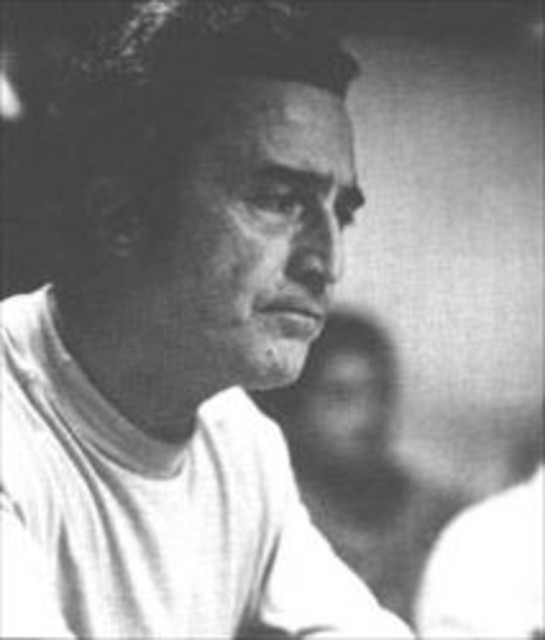
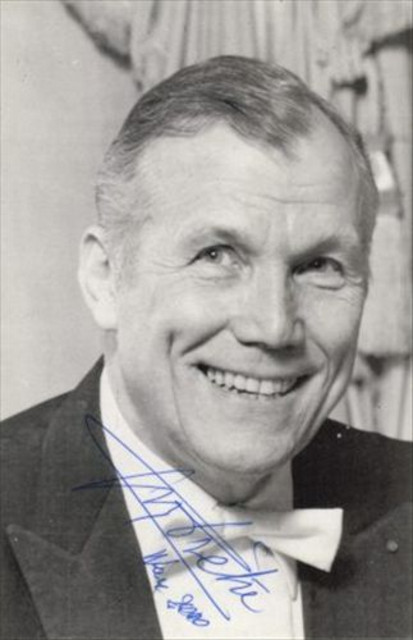
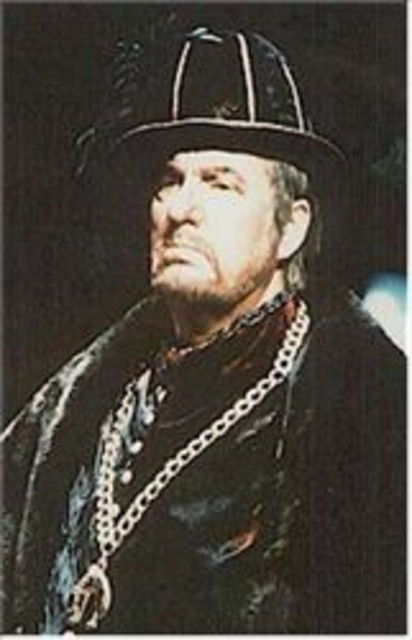
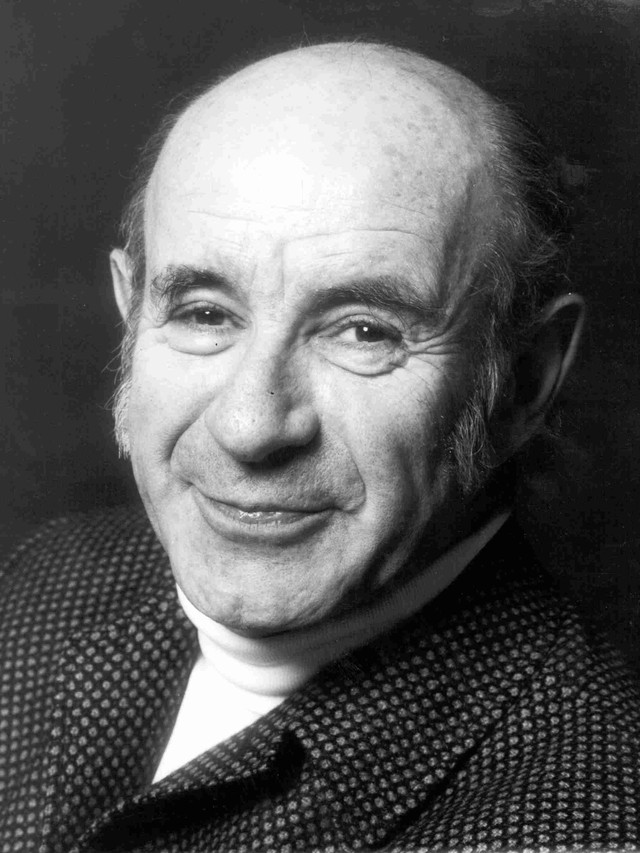
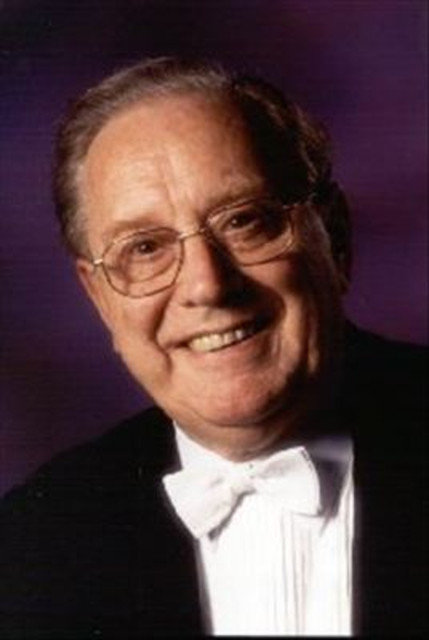
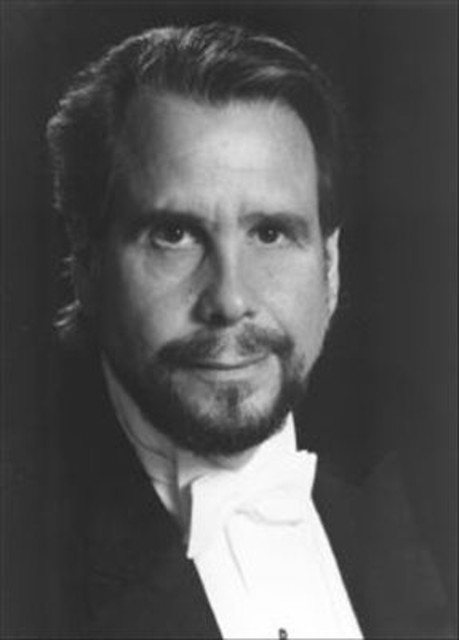
One of the most versatile artists of the 20th century's second half, baritone (or bass baritone) Tom Krause excelled in music from <a href="spotify:artist:5aIqB5nVVvmFsvSdExz408">Bach</a> to <a href="spotify:artist:7MJ1pB5d6Vjmzep2zQlorn">Britten</a>, <a href="spotify:artist:4NJhFmfw43RLBLjQvxDuRS">Mozart</a> to <a href="spotify:artist:2OlHJF9OJQPIoOmlINbcUY">Searle</a>. Though not exceptionally large or sensuous, Krause's cleanly produced instrument never issued unpleasant sounds, and the singer's refined artistic instincts conspired to keep his work at a high level. Even in situations calling for a greater weight of voice than he really commanded, his clear diction and canny sensitivity to the right accents enabled him to give the impression of authority.
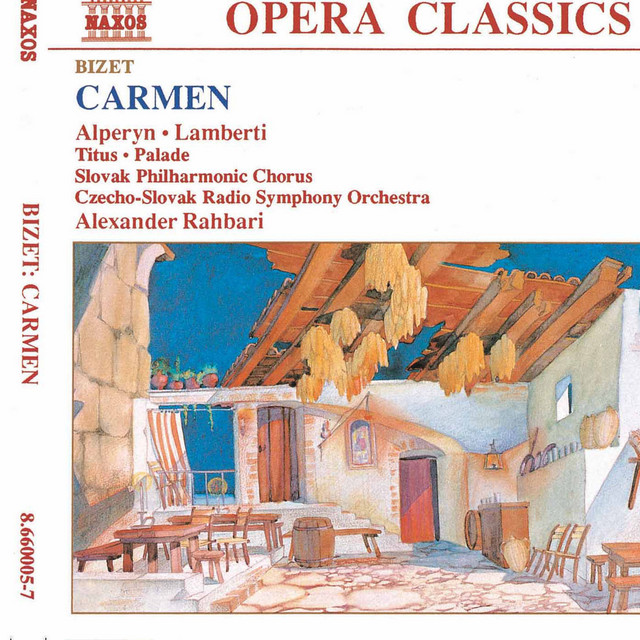
Krause intended to pursue a career in medicine in his native city, but found that a taste for light music and later, an interest in singing, were moving him toward a musical career. He entered the Vienna Music Academy in 1956, and upon completion of his studies there, made his debut in 1959 at Berlin's Städtische Oper. The role was Escamillo, an impersonation he was to record on two subsequent occasions. Early international exposure came through the Kurwenal he recorded with <a href="spotify:artist:0dicUFoK5LIbqu6OoHu8VH">Solti</a> and <a href="spotify:artist:6ljM6B2XmSU7BtG3tZLQ1K">Birgit Nilsson</a>. Numerous engagements followed at opera houses and concert stages throughout Middle Europe, and in 1962, Krause became a member of the company at Hamburg where he endeared himself to the public in <a href="spotify:artist:1C1x4MVkql8AiABuTw6DgE">Wagner</a>, <a href="spotify:artist:1JOQXgYdQV2yfrhewqx96o">Verdi</a>, and (especially) <a href="spotify:artist:4NJhFmfw43RLBLjQvxDuRS">Mozart</a> roles. After only five years, he was made a Kammersänger. For his home theater, he participated in the premieres of <a href="spotify:artist:7ABfksc6hkcvh4mo8qzL5A">Ernst Krenek</a>'s Der Goldene Bock in 1964 and <a href="spotify:artist:2OlHJF9OJQPIoOmlINbcUY">Humphrey Searle</a>'s Hamlet in 1968. Meanwhile, Krause had made his Bayreuth debut as the Herald in Lohengrin (1962) and the following year appeared at the Glyndebourne Festival for the first time as the Count in <a href="spotify:artist:6pAwHPeExeUbMd5w7Iny6D">Strauss</a>' Capriccio.
In the United States, Krause took part in the American premiere of <a href="spotify:artist:7MJ1pB5d6Vjmzep2zQlorn">Britten</a>'s War Requiem and made his <a href="spotify:artist:5wn7ofJrDNHlKovbljawzS">Metropolitan Opera</a> debut as <a href="spotify:artist:4NJhFmfw43RLBLjQvxDuRS">Mozart</a>'s Almaviva on October 11, 1967. In six seasons, Krause was heard in 43 performances, including three other roles: Malatesta, Guglielmo, and Escamillo. The later was captured on disc together with <a href="spotify:artist:2X1SZFqImVgl59tWagfjcl">Marilyn Horne</a>'s Carmen and <a href="spotify:artist:04mF1lnnO0gN1kRtrWFJFy">James McCracken</a>'s massive Don José, all under <a href="spotify:artist:2LmyJyCF5V1eQyvHgJNbTn">Leonard Bernstein</a>'s revisionist eye. Chicago heard Krause as Guglielmo on-stage at the Lyric Opera and as a moving Christus in the <a href="spotify:artist:6TD08jYeuN128P2MZTbc8E">Chicago Symphony Orchestra</a> performances of <a href="spotify:artist:5aIqB5nVVvmFsvSdExz408">Bach</a>'s St. Matthew Passion under <a href="spotify:artist:0dicUFoK5LIbqu6OoHu8VH">Solti</a>. Krause later participated in <a href="spotify:artist:0dicUFoK5LIbqu6OoHu8VH">Solti</a>'s recording of the work.
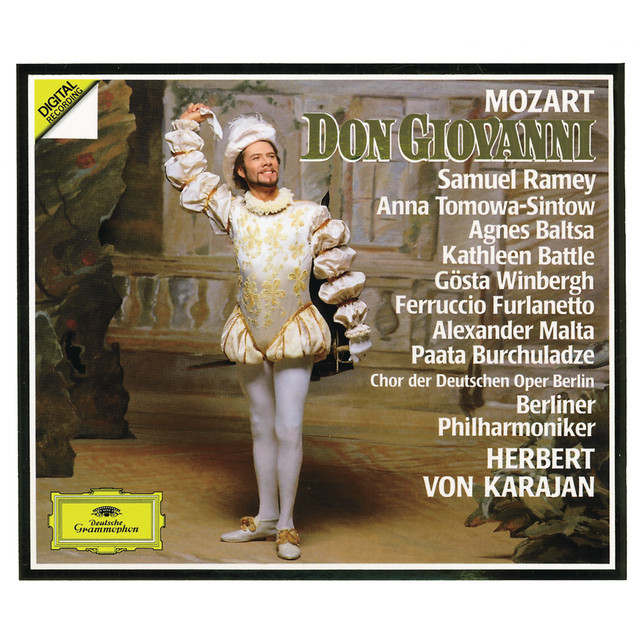
Krause's Salzburg debut came in 1968 when he sang the title role in Don Giovanni, beginning a productive relationship with the festival. Thirty years after his first appearance, he sang in Salzburg's widely praised production of <a href="spotify:artist:6CS9O2pE67oq44GZuBEBuD">Messiaen</a>'s Saint François d'Assise. Paris heard Krause for the first time in 1973; La Scala welcomed him two years later. While heard to best advantage on-stage in <a href="spotify:artist:4NJhFmfw43RLBLjQvxDuRS">Mozart</a>, Krause made effective studies of such other roles as Pizzaro, Golaud, Amfortas, and portrayed a light-voiced but vivid Amonasro.
During his lengthy career, Krause made many studio recordings with first-class collaborators. His Pizzaro with <a href="spotify:artist:6ljM6B2XmSU7BtG3tZLQ1K">Nilsson</a>, <a href="spotify:artist:04mF1lnnO0gN1kRtrWFJFy">McCracken</a>, and a hard-driving Lorin Maazel is intimidatingly nasty. His numerous <a href="spotify:artist:5aIqB5nVVvmFsvSdExz408">Bach</a> recordings reveal a mellifluous voice and sympathetic interpretation joined with stylistic keenness. Both of his recorded Escamillos, if not the last word in bravura, show both dramatic flair and the ability to truly voice the many low-lying phrases. Finally, Krause's many recordings of German lieder and Scandinavian and Russian songs are the work of an insightful, engaging artist.
Krause intended to pursue a career in medicine in his native city, but found that a taste for light music and later, an interest in singing, were moving him toward a musical career. He entered the Vienna Music Academy in 1956, and upon completion of his studies there, made his debut in 1959 at Berlin's Städtische Oper. The role was Escamillo, an impersonation he was to record on two subsequent occasions. Early international exposure came through the Kurwenal he recorded with <a href="spotify:artist:0dicUFoK5LIbqu6OoHu8VH">Solti</a> and <a href="spotify:artist:6ljM6B2XmSU7BtG3tZLQ1K">Birgit Nilsson</a>. Numerous engagements followed at opera houses and concert stages throughout Middle Europe, and in 1962, Krause became a member of the company at Hamburg where he endeared himself to the public in <a href="spotify:artist:1C1x4MVkql8AiABuTw6DgE">Wagner</a>, <a href="spotify:artist:1JOQXgYdQV2yfrhewqx96o">Verdi</a>, and (especially) <a href="spotify:artist:4NJhFmfw43RLBLjQvxDuRS">Mozart</a> roles. After only five years, he was made a Kammersänger. For his home theater, he participated in the premieres of <a href="spotify:artist:7ABfksc6hkcvh4mo8qzL5A">Ernst Krenek</a>'s Der Goldene Bock in 1964 and <a href="spotify:artist:2OlHJF9OJQPIoOmlINbcUY">Humphrey Searle</a>'s Hamlet in 1968. Meanwhile, Krause had made his Bayreuth debut as the Herald in Lohengrin (1962) and the following year appeared at the Glyndebourne Festival for the first time as the Count in <a href="spotify:artist:6pAwHPeExeUbMd5w7Iny6D">Strauss</a>' Capriccio.
In the United States, Krause took part in the American premiere of <a href="spotify:artist:7MJ1pB5d6Vjmzep2zQlorn">Britten</a>'s War Requiem and made his <a href="spotify:artist:5wn7ofJrDNHlKovbljawzS">Metropolitan Opera</a> debut as <a href="spotify:artist:4NJhFmfw43RLBLjQvxDuRS">Mozart</a>'s Almaviva on October 11, 1967. In six seasons, Krause was heard in 43 performances, including three other roles: Malatesta, Guglielmo, and Escamillo. The later was captured on disc together with <a href="spotify:artist:2X1SZFqImVgl59tWagfjcl">Marilyn Horne</a>'s Carmen and <a href="spotify:artist:04mF1lnnO0gN1kRtrWFJFy">James McCracken</a>'s massive Don José, all under <a href="spotify:artist:2LmyJyCF5V1eQyvHgJNbTn">Leonard Bernstein</a>'s revisionist eye. Chicago heard Krause as Guglielmo on-stage at the Lyric Opera and as a moving Christus in the <a href="spotify:artist:6TD08jYeuN128P2MZTbc8E">Chicago Symphony Orchestra</a> performances of <a href="spotify:artist:5aIqB5nVVvmFsvSdExz408">Bach</a>'s St. Matthew Passion under <a href="spotify:artist:0dicUFoK5LIbqu6OoHu8VH">Solti</a>. Krause later participated in <a href="spotify:artist:0dicUFoK5LIbqu6OoHu8VH">Solti</a>'s recording of the work.
Krause's Salzburg debut came in 1968 when he sang the title role in Don Giovanni, beginning a productive relationship with the festival. Thirty years after his first appearance, he sang in Salzburg's widely praised production of <a href="spotify:artist:6CS9O2pE67oq44GZuBEBuD">Messiaen</a>'s Saint François d'Assise. Paris heard Krause for the first time in 1973; La Scala welcomed him two years later. While heard to best advantage on-stage in <a href="spotify:artist:4NJhFmfw43RLBLjQvxDuRS">Mozart</a>, Krause made effective studies of such other roles as Pizzaro, Golaud, Amfortas, and portrayed a light-voiced but vivid Amonasro.
During his lengthy career, Krause made many studio recordings with first-class collaborators. His Pizzaro with <a href="spotify:artist:6ljM6B2XmSU7BtG3tZLQ1K">Nilsson</a>, <a href="spotify:artist:04mF1lnnO0gN1kRtrWFJFy">McCracken</a>, and a hard-driving Lorin Maazel is intimidatingly nasty. His numerous <a href="spotify:artist:5aIqB5nVVvmFsvSdExz408">Bach</a> recordings reveal a mellifluous voice and sympathetic interpretation joined with stylistic keenness. Both of his recorded Escamillos, if not the last word in bravura, show both dramatic flair and the ability to truly voice the many low-lying phrases. Finally, Krause's many recordings of German lieder and Scandinavian and Russian songs are the work of an insightful, engaging artist.
Monthly Listeners
94,323
Monthly Listeners History
Track the evolution of monthly listeners over the last 28 days.
Followers
1,963
Followers History
Track the evolution of followers over the last 28 days.
Top Cities
2,200 listeners

1,875 listeners

1,837 listeners

1,227 listeners
951 listeners