Last updated: 6 hours ago
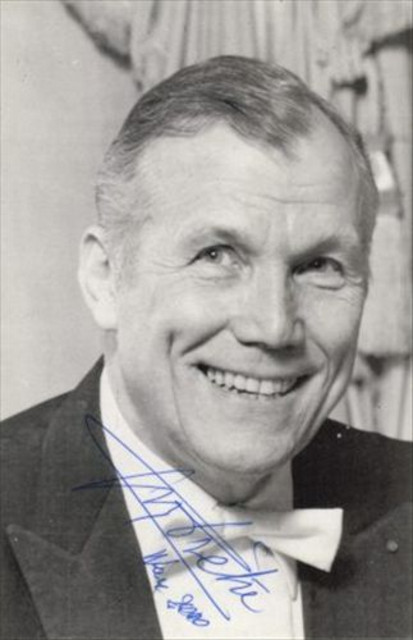
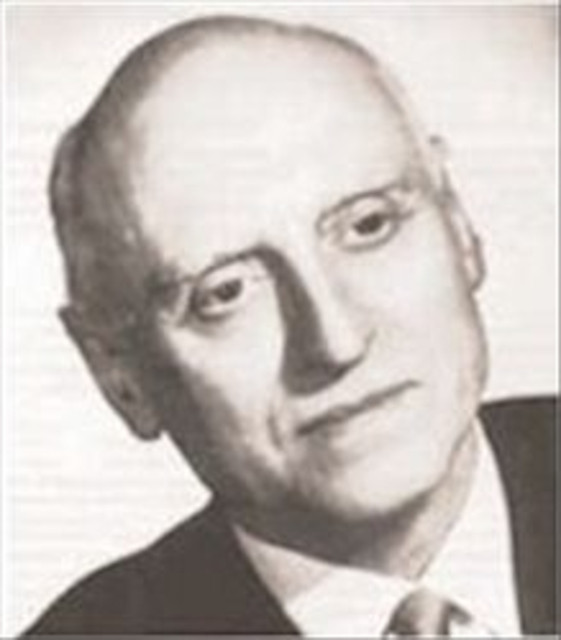
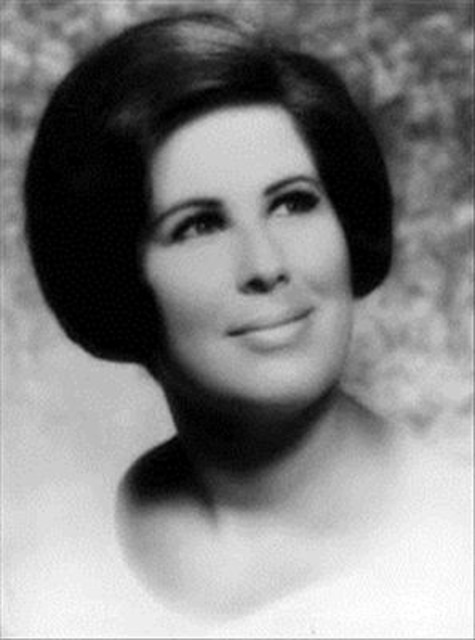
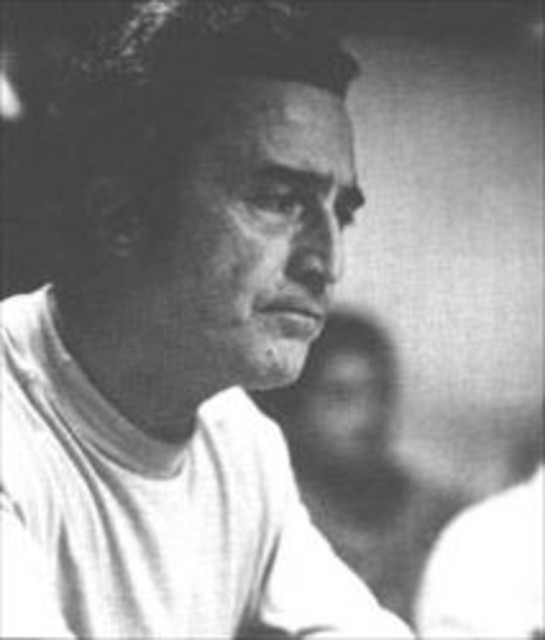
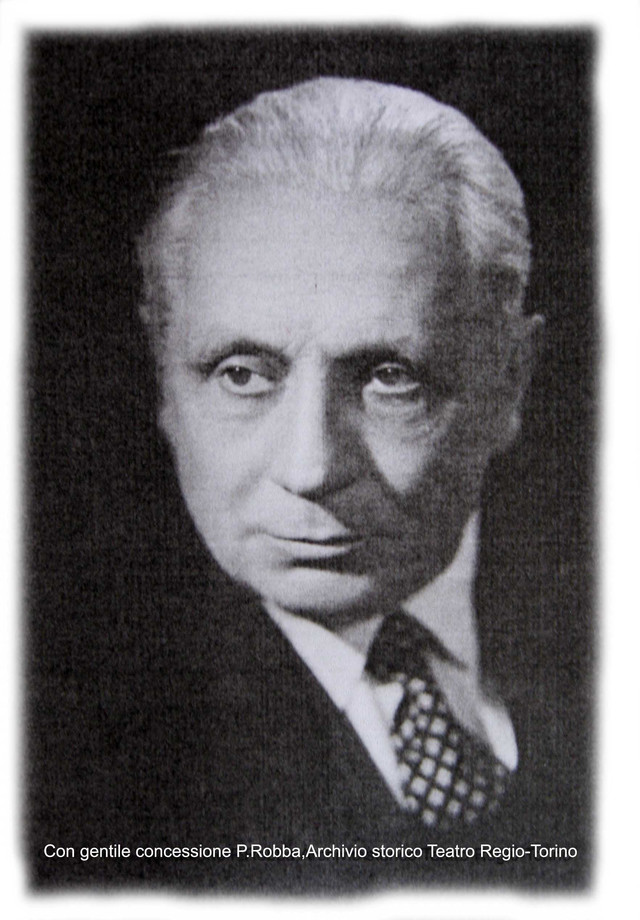
Tulio Serafin received his education at the Milan Conservatory, where he studied composition and violin. He debuted on the podium at Ferrara in 1898 and was hired by <a href="spotify:artist:4xpgBZSojKNEQqQHXrwSXA">Arturo Toscanini</a> as an assistant conductor at La Scala opera house in Milan. In 1909 he was appointed principal conductor at La Scala, serving a term interrupted during World War I (1909-1914, 1917-1918). He expanded the repertory away from the standard Italian operas. Notable additions to the repertory during Serafin's tenure were Italo Montemezzi's L'Amore di tre re (1913) and La Nave (1918), Richard Strauss' Feursnot and Der Rosenkavalier, Paul Dukas' Arianne et Barbe-Bleu, Weber's Oberon, and works by <a href="spotify:artist:7mBhwof0k7DfGf6AqrbH4A">Humperdinck</a> and <a href="spotify:artist:2kXJ68O899XvWOBdpzlXgs">Rimsky-Korsakov</a>. He continued introducing new operas while he was on the conducting staff of New York's Metropolitan Opera from 1924 to 1934. He led the first American performances of <a href="spotify:artist:0OzxPXyowUEQ532c9AmHUR">Puccini</a>'s Turandot, <a href="spotify:artist:1JOQXgYdQV2yfrhewqx96o">Verdi</a>'s Simon Boccanegra, and operas of <a href="spotify:artist:284mnx33IWcymQEpMxyfHl">Mussorgsky</a>, <a href="spotify:artist:5BcbyYRgvvhfVGmCJSjHlT">Falla</a>, and Giordano. During his tenure at the Met he is also credited with helping develop the career of Rosa Ponselle, among many other singers he encouraged, who became one of the Met's leading stars. He conducted Ponselle in her 1931 Covent Garden appearances in two operas new to that stage, <a href="spotify:artist:1JOQXgYdQV2yfrhewqx96o">Verdi</a>'s La forza del destino and Romani's Fedra. In 1934 he became artistic director of Teatro Reale in Rome. He continued his pioneering ways, leading the first <a href="spotify:artist:1C1x4MVkql8AiABuTw6DgE">Wagner</a> Ring cycle in Italian and the Italian premiere of Berg's Wozzeck. After the war, he premiered <a href="spotify:artist:7MJ1pB5d6Vjmzep2zQlorn">Britten</a>'s Peter Grimes in Italian when he resumed leadership at La Scala for the 1946-1947 season.
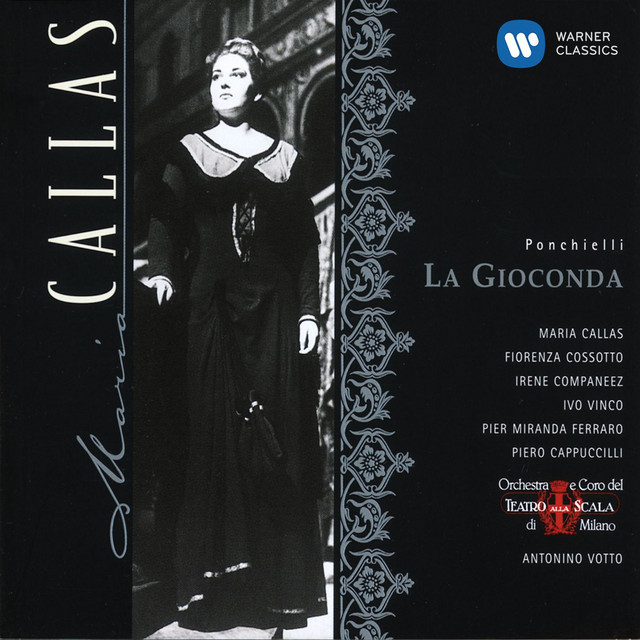
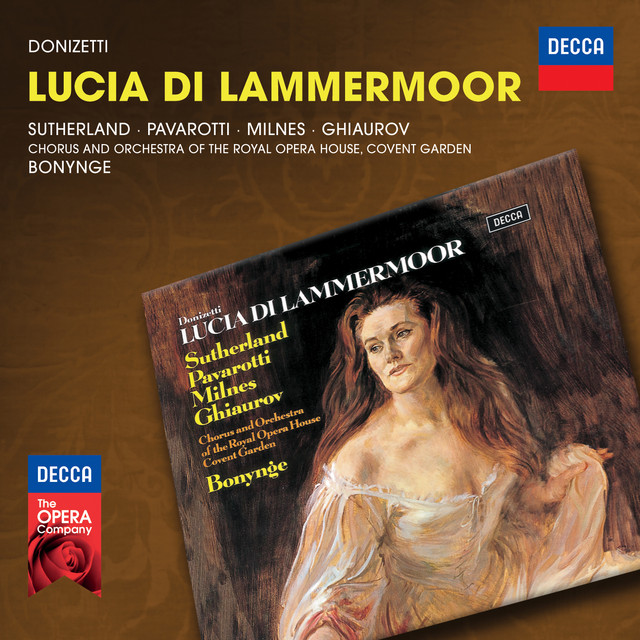
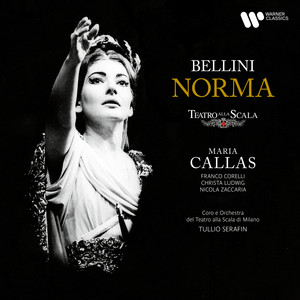
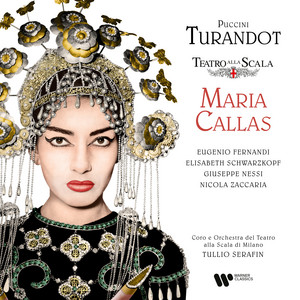
He was a noted scholar of early Italian opera. His Style, Tradition, and Conventions of Italian Melodrama of the 17th and 18th Centuries (Milan, 1958) is a major study of its subject. Before him, only a handful of operas of the bel canto period regularly saw the stage and then in performances marred by false tradition. He edited these operas and brought back operas of <a href="spotify:artist:0roWUeP7Ac4yK4VN6L2gF4">Rossini</a>, <a href="spotify:artist:6AphpMkKDU4I3Z6XaGu1UV">Bellini</a>, and <a href="spotify:artist:2jCGEMSZXMSOImpD8sqo56">Donizetti</a>. His skill as a developer of new talent (which the great singer <a href="spotify:artist:12msfS6HSE6p3CxcznZX6R">Tito Gobbi</a> said was "infallible") was instrumental in the careers of both <a href="spotify:artist:0bjdfjE8XbLa2Odstu6E1E">Maria Callas</a> and <a href="spotify:artist:57ut70dPEUxC1dk83YY3hY">Joan Sutherland</a>. He conducted Callas' greatest early performances and recordings, and he led the 1959 Covent Garden production of Lucia di Lammermoor that made the career of young <a href="spotify:artist:57ut70dPEUxC1dk83YY3hY">Joan Sutherland</a>. He was an undemonstrative conductor, using a quiet approach to urge the orchestra, turning stern only when confronting carelessness. His career was long lived; he revived <a href="spotify:artist:0roWUeP7Ac4yK4VN6L2gF4">Rossini</a>'s Otello in Rome at the age of 84.
Monthly Listeners
237,837
Monthly Listeners History
Track the evolution of monthly listeners over the last 28 days.
Followers
6,279
Followers History
Track the evolution of followers over the last 28 days.
Top Cities
7,292 listeners
7,016 listeners
4,762 listeners
4,090 listeners
3,716 listeners