Genre
new wave
Top New wave Artists
Showing 25 of 1,648 artists
About New wave
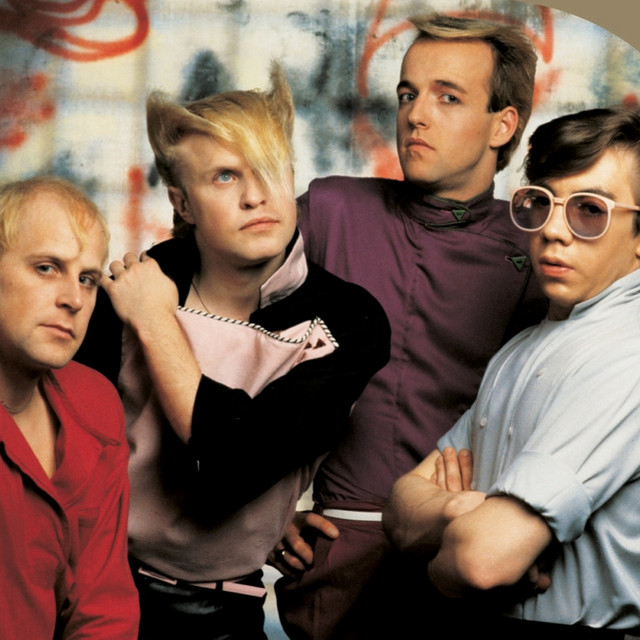
New wave is a music genre and cultural moment that emerged in the late 1970s and flourished through the early 1980s, driven by a desire to move beyond punk’s bare bones while preserving its energy and attitude. Born mostly in the United Kingdom and the United States, it quickly spread across Europe and beyond, becoming a flexible umbrella for diverse sounds that shared a love of melody, craft, and modern production. If punk was about urgency and DO-IT-YOURSELF grit, new wave added polish, pop sensibility, and an appetite for electronic textures, dance rhythms, and stylish presentation.
Historically, new wave can be seen as a spectrum rather than a single sound. It grew out of post-punk's experimental edge and the art-school sensibilities of bands that pushed songcraft in new directions. The genre embraced both jangly guitar pop and glossy synth-driven tracks, and it thrived in clubs and on late-night television, where music videos became a crucial part of identity. By the early 1980s, the movement had split into substyles: synth-pop, which leaned on keyboards and programmable rhythms; art-rock and avant-pop, which kept a cerebral bent; and the more guitar-forward strands that carried over from late-70s punk. This diversity is part of what helped the scene feel both cohesive and infinitely plural.
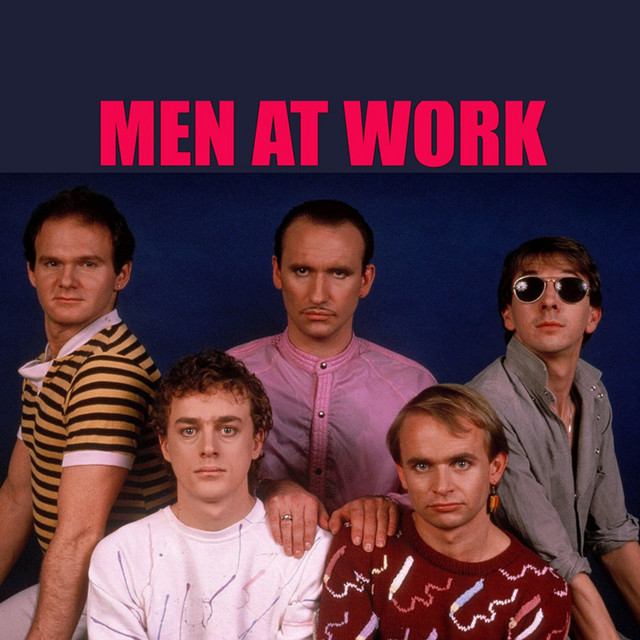
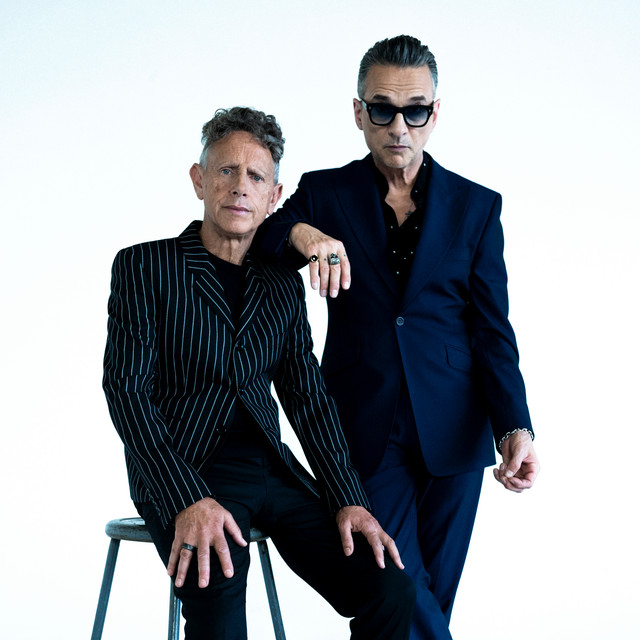
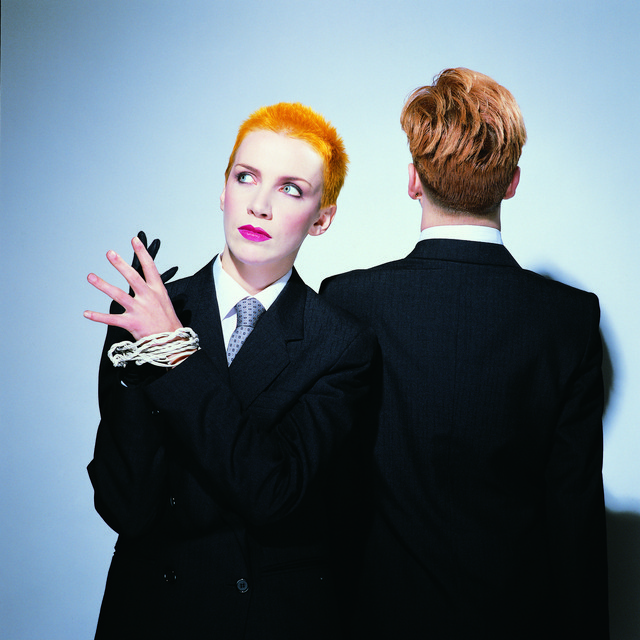
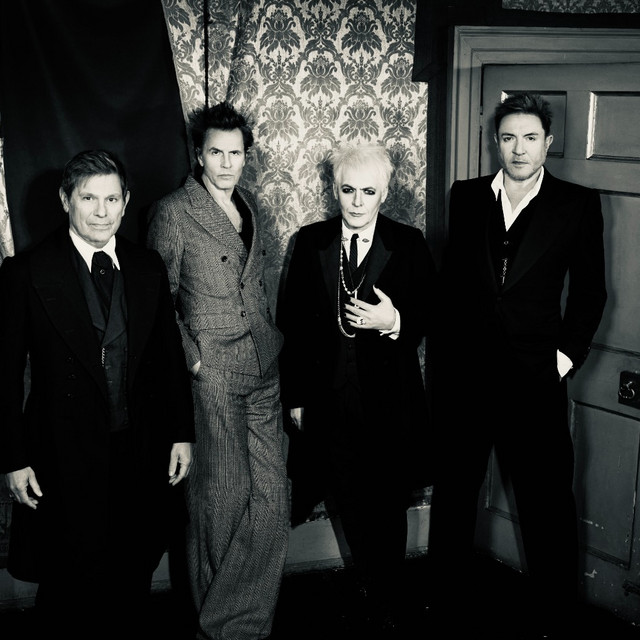
Ambassadors and landmark acts helped define the sound and the look. Blondie fused punk with disco, rap-tinged attitude, and pop hooks; Talking Heads combined cerebral art-rock with funk, world music rhythms, and cinematic production; The Police mixed tight guitar figures with reggae-inflected grooves. In the UK, Duran Duran, Spandau Ballet, and Visage epitomized the sleek, fashion-conscious side of the movement, inviting glossy magazines and MTV-style presentation into the music. On the synth-pop front, Depeche Mode, The Human League, Soft Cell, Orchestral Manoeuvres in the Dark (OMD), and later Erasure and Pet Shop Boys popularized sleek electronic textures that defined a large swath of 80s radio. The Cars represent a very American, radio-friendly branch of the sound, while bands like The Cure and Echo & the Bunnymen carried a moodier, more gothic-tinged strain into the era.
New wave’s popularity was most pronounced in the United Kingdom and the United States, where the cross-pollination of punk energy, club culture, and burgeoning MTV visibility created a vibrant ecosystem. Its influence extended across Europe—where Germany, France, and Italy developed thriving scenes of synth-pop and art-pop—into Scandinavia and beyond, reaching Japan and Australia as well. The genre’s emphasis on stylish presentation and accessible melodies helped it cross over into mainstream pop while still offering room for experimentation.
Today, listeners who approach new wave as more than a single sound often hear a bridge between punk’s rebellious bite and the 80s’ glossy digital production. It’s a genre that invites both dance-floor immediacy and careful listening, with a lineage that can be traced through synth-pop’s elegance, post-punk’s clarity, and the fashion-forward charisma that defined an entire era. For enthusiasts, new wave remains a fertile field of clever hooks, inventive textures, and the enduring charm of a moment when music was as much about style as sound.
Historically, new wave can be seen as a spectrum rather than a single sound. It grew out of post-punk's experimental edge and the art-school sensibilities of bands that pushed songcraft in new directions. The genre embraced both jangly guitar pop and glossy synth-driven tracks, and it thrived in clubs and on late-night television, where music videos became a crucial part of identity. By the early 1980s, the movement had split into substyles: synth-pop, which leaned on keyboards and programmable rhythms; art-rock and avant-pop, which kept a cerebral bent; and the more guitar-forward strands that carried over from late-70s punk. This diversity is part of what helped the scene feel both cohesive and infinitely plural.
Ambassadors and landmark acts helped define the sound and the look. Blondie fused punk with disco, rap-tinged attitude, and pop hooks; Talking Heads combined cerebral art-rock with funk, world music rhythms, and cinematic production; The Police mixed tight guitar figures with reggae-inflected grooves. In the UK, Duran Duran, Spandau Ballet, and Visage epitomized the sleek, fashion-conscious side of the movement, inviting glossy magazines and MTV-style presentation into the music. On the synth-pop front, Depeche Mode, The Human League, Soft Cell, Orchestral Manoeuvres in the Dark (OMD), and later Erasure and Pet Shop Boys popularized sleek electronic textures that defined a large swath of 80s radio. The Cars represent a very American, radio-friendly branch of the sound, while bands like The Cure and Echo & the Bunnymen carried a moodier, more gothic-tinged strain into the era.
New wave’s popularity was most pronounced in the United Kingdom and the United States, where the cross-pollination of punk energy, club culture, and burgeoning MTV visibility created a vibrant ecosystem. Its influence extended across Europe—where Germany, France, and Italy developed thriving scenes of synth-pop and art-pop—into Scandinavia and beyond, reaching Japan and Australia as well. The genre’s emphasis on stylish presentation and accessible melodies helped it cross over into mainstream pop while still offering room for experimentation.
Today, listeners who approach new wave as more than a single sound often hear a bridge between punk’s rebellious bite and the 80s’ glossy digital production. It’s a genre that invites both dance-floor immediacy and careful listening, with a lineage that can be traced through synth-pop’s elegance, post-punk’s clarity, and the fashion-forward charisma that defined an entire era. For enthusiasts, new wave remains a fertile field of clever hooks, inventive textures, and the enduring charm of a moment when music was as much about style as sound.