Genre
glam rock
Top Glam rock Artists
Showing 25 of 676 artists







About Glam rock
Glam rock is a theatre-driven branch of rock music that emerged in the late 1960s and exploded in the early to mid-1970s, primed by a love of spectacle, glitter, and larger-than-life persona. It fused catchy, guitar-driven hooks with high-concept stage shows, outrageous fashion, and a dash of cabaret surrealism. Born primarily in Britain, glam rock drew on art-rock bravado, American glitter, and the pop clockwork of early 70s rock, creating a sound and image that felt both glamorous and rebellious.
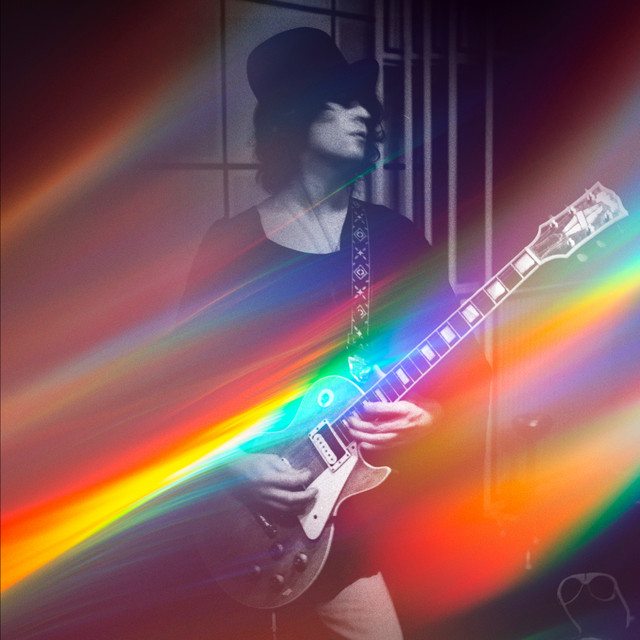
The movement’s roots run through late-1960s London, where glam’s first seeds took shape in the extravagant and magnetic performances of Marc Bolan and T. Rex. Bolan’s early 1970s records, including Ride a White Swan (1969) and the Electric Warrior era (1971), helped codify glam’s blend of glitter, chanted hooks, and swaggering guitar riffs. David Bowie’s Ziggy Stardust persona, introduced in 1972, became the defining moment of glam rock: a space-age, front-and-center theatrical concept that married social commentary with stunning visuals. Bowie, Bolan, and a constellation of peers laid the tonal and aesthetic blueprint: melodic, glittery hooks paired with persona-driven narratives onstage and in album art.
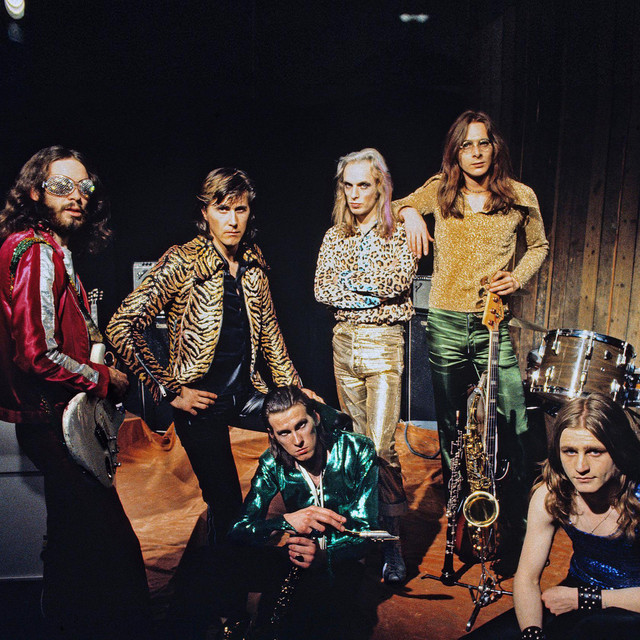
Musically, glam rock favors punchy choruses, bright guitar textures, and a sense of melodrama. Lyrically, it could swing between sci-fi epics, pop bravado, and cheeky storytelling. The look was equally crucial: platform boots, sequins, metallic fabrics, painted faces, and gender-fluid or androgynous styling. The aim was to turn rock into a spectacle and, sometimes, a provocative invitation to dream and defy norms. That theatricality helped glam cross borders, influencing fashion and performance far beyond its sonic circles.
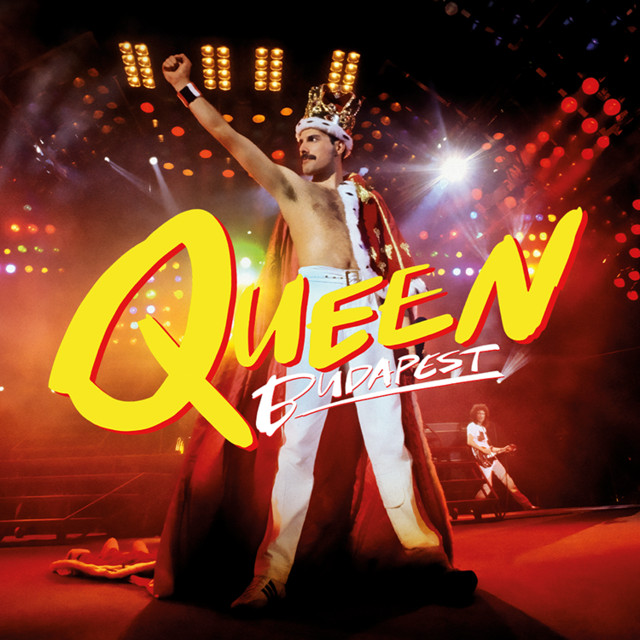
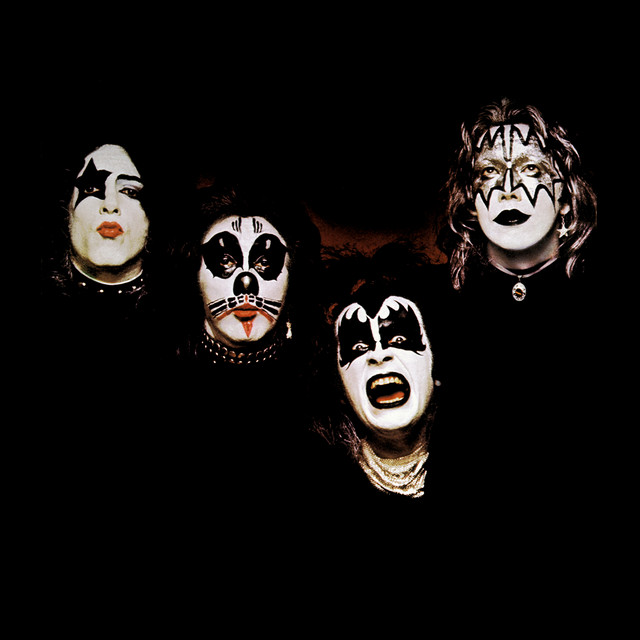
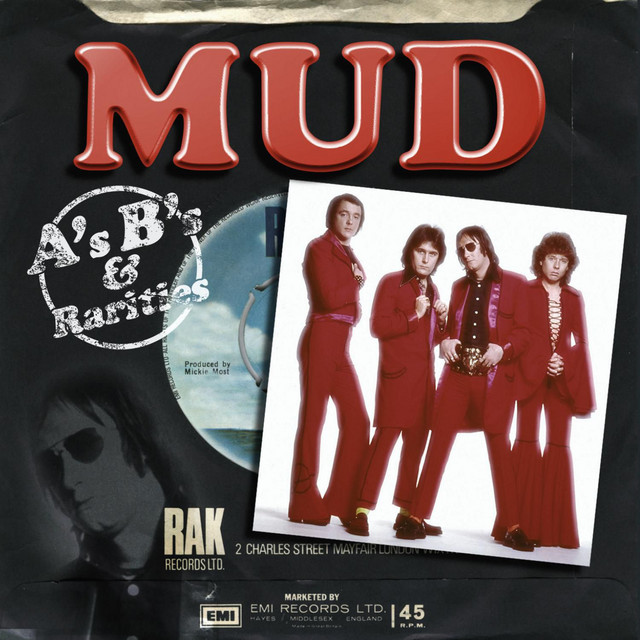
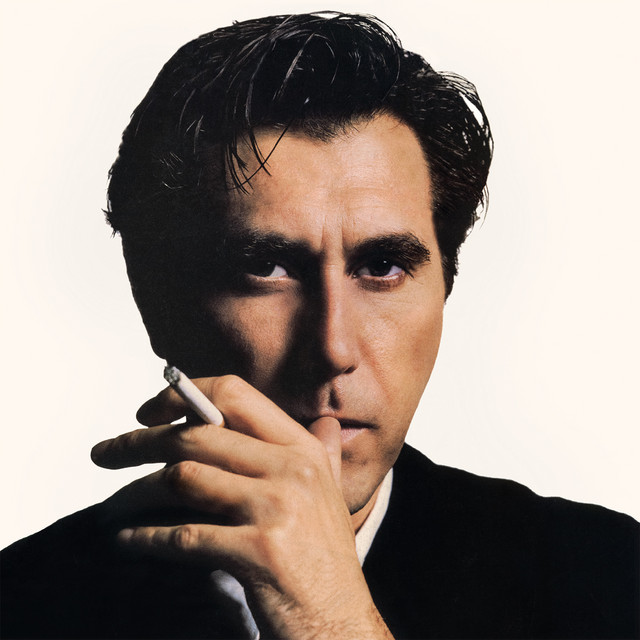
Key ambassadors and archetypes of glam rock include David Bowie (Ziggy Stardust, Aladdin Sane), Marc Bolan (T. Rex), The Sweet, Slade, and Gary Glitter, with Roxy Music adding a more art-pop angle to the movement. Queen also bore the glam torch in its early years, merging operatic grandeur with theatrical rock. In the wider scene, acts like Mud and Gary Glitter kept glam’s glossy, danceable edge alive in the UK charts. In the United States and Europe, glam’s influence showed up in the rise of glittery, theatrical acts such as KISS and the New York Dolls, and in the fashion-forward, show-stopping live performances that defined much of early 70s rock theater.
Glam rock enjoyed its greatest popularity in the United Kingdom and parts of Europe, though it rapidly captured attention in North America and other pockets of the world. It fed directly into subsequent movements—most notably glam metal of the 1980s, which carried the same visual flamboyance into heavier guitars and bigger production. Across its brief but luminous arc, glam rock reshaped rock’s image—pushing musicians to blend music with myth, fashion with identity—and left a lasting imprint on both pop music and live performance.
The movement’s roots run through late-1960s London, where glam’s first seeds took shape in the extravagant and magnetic performances of Marc Bolan and T. Rex. Bolan’s early 1970s records, including Ride a White Swan (1969) and the Electric Warrior era (1971), helped codify glam’s blend of glitter, chanted hooks, and swaggering guitar riffs. David Bowie’s Ziggy Stardust persona, introduced in 1972, became the defining moment of glam rock: a space-age, front-and-center theatrical concept that married social commentary with stunning visuals. Bowie, Bolan, and a constellation of peers laid the tonal and aesthetic blueprint: melodic, glittery hooks paired with persona-driven narratives onstage and in album art.
Musically, glam rock favors punchy choruses, bright guitar textures, and a sense of melodrama. Lyrically, it could swing between sci-fi epics, pop bravado, and cheeky storytelling. The look was equally crucial: platform boots, sequins, metallic fabrics, painted faces, and gender-fluid or androgynous styling. The aim was to turn rock into a spectacle and, sometimes, a provocative invitation to dream and defy norms. That theatricality helped glam cross borders, influencing fashion and performance far beyond its sonic circles.
Key ambassadors and archetypes of glam rock include David Bowie (Ziggy Stardust, Aladdin Sane), Marc Bolan (T. Rex), The Sweet, Slade, and Gary Glitter, with Roxy Music adding a more art-pop angle to the movement. Queen also bore the glam torch in its early years, merging operatic grandeur with theatrical rock. In the wider scene, acts like Mud and Gary Glitter kept glam’s glossy, danceable edge alive in the UK charts. In the United States and Europe, glam’s influence showed up in the rise of glittery, theatrical acts such as KISS and the New York Dolls, and in the fashion-forward, show-stopping live performances that defined much of early 70s rock theater.
Glam rock enjoyed its greatest popularity in the United Kingdom and parts of Europe, though it rapidly captured attention in North America and other pockets of the world. It fed directly into subsequent movements—most notably glam metal of the 1980s, which carried the same visual flamboyance into heavier guitars and bigger production. Across its brief but luminous arc, glam rock reshaped rock’s image—pushing musicians to blend music with myth, fashion with identity—and left a lasting imprint on both pop music and live performance.