Data may be outdated
Last updated: 2 months ago — Click refresh to get the latest statistics.
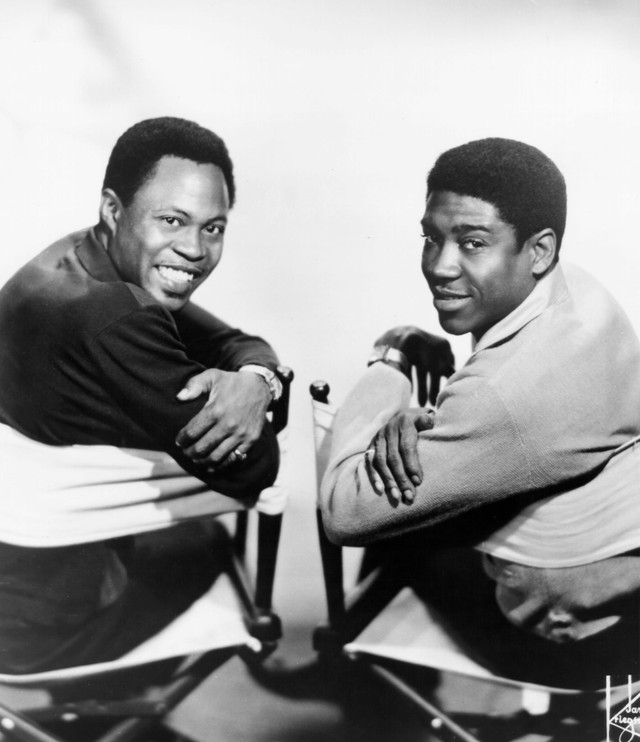
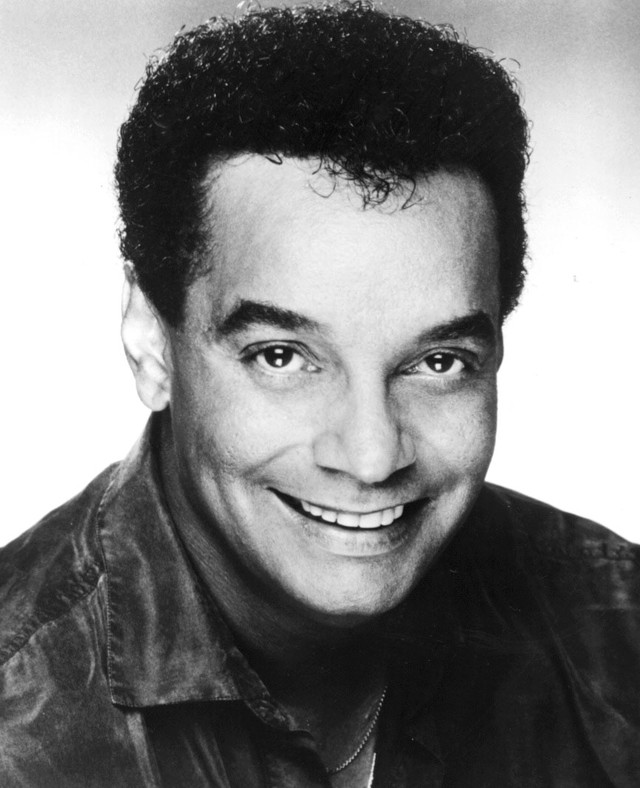
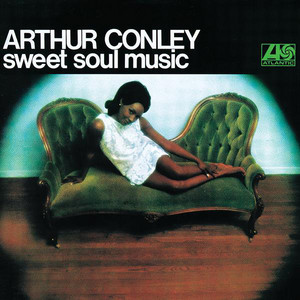
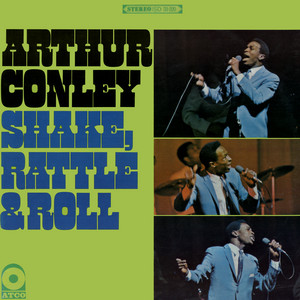
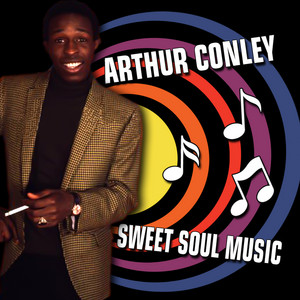
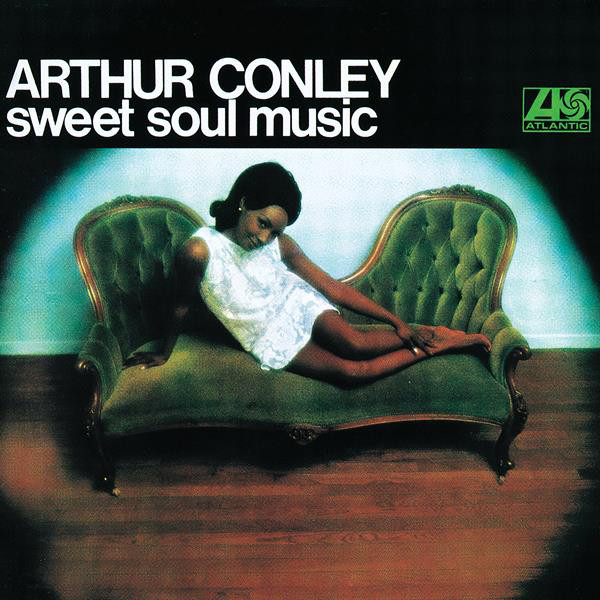
At <a href="spotify:artist:60df5JBRRPcnSpsIMxxwQm">Redding</a>'s urging, Conley signed to Atco-distributed Fame Records for his next single, the <a href="spotify:artist:4Z8f0RlC4uuFPi8KD5JbvB">Dan Penn</a>-written "I Can't Stop (No, No, No)." Though his strongest, most incendiary record to date, it met the same commercial indifference that greeted his previous efforts. Likewise, the follow-up "Take Me (Just as I Am)" fell on deaf ears, even though the song was a major pop hit for <a href="spotify:artist:4nts0oxMT67lVUoi5Kjxrb">Solomon Burke</a> the following year. At that point <a href="spotify:artist:60df5JBRRPcnSpsIMxxwQm">Redding</a> took an even greater role in Conley's career, encouraging his songwriting and advising him in business decisions; while jamming on a cover of <a href="spotify:artist:6hnWRPzGGKiapVX1UCdEAC">Cooke</a>'s "Yeah Man," the pair began tinkering with the original song, creating what would ultimately become "Sweet Soul Music." An electrifying tribute to the Southern soul idiom that name-checked icons including <a href="spotify:artist:7GaxyUddsPok8BuhxN6OUW">James Brown</a>, <a href="spotify:artist:2BVYdY4PyfCF9z4NrkhEB2">Sam & Dave</a>, <a href="spotify:artist:0N5PyKJzS3M1XNlaCL7bbE">Wilson Pickett</a>, and -- at Conley's insistence -- <a href="spotify:artist:60df5JBRRPcnSpsIMxxwQm">Redding</a> himself, the resulting single (Conley's debut for new label Atco) proved a massive hit, reaching number two on both the Billboard pop and R&B charts while reaching the Top Ten across much of Europe. An LP also titled Sweet Soul Music soon followed, compiling the singer's little-heard Jotis and Fame sides. Conley's next single, a reading of the <a href="spotify:artist:1DTgcOxytJHD8p17mhSgd7">Big Joe Turner</a> chestnut "Shake, Rattle and Roll," returned him to the pop Top 40 and the R&B Top 20, although its follow-up, a cover of <a href="spotify:artist:6hnWRPzGGKiapVX1UCdEAC">Cooke</a>'s "Whole Lotta Woman," reached only number 73 on the pop chart.
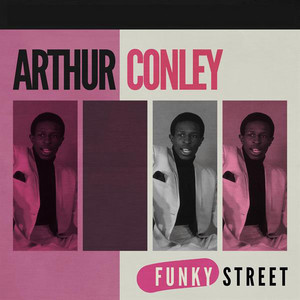
Conley was performing in Florida the night of December 10, 1967, when <a href="spotify:artist:60df5JBRRPcnSpsIMxxwQm">Redding</a> and members of his backing band <a href="spotify:artist:0Z4CzYz9ieK8q9XiVMPkW5">the Bar-Kays</a> were killed in a Wisconsin plane crash; without <a href="spotify:artist:60df5JBRRPcnSpsIMxxwQm">Redding</a> to run interference with Atco executives, the singer's career threatened to revert back to its rudderless beginnings, but in early 1968 Conley righted the ship, traveling to Memphis' American Recording Studios to collaborate with the crack producer Tom Dowd. The session generated some of the singer's finest material, including the Top 20 R&B hit "People Sure Act Funny," "Run On," and the stirring <a href="spotify:artist:60df5JBRRPcnSpsIMxxwQm">Redding</a> tribute "Otis Sleep On." Best of all was the scorching "Funky Street," which hit number five on the Billboard R&B chart and number 14 on its pop counterpart. Weeks later Conley teamed with <a href="spotify:artist:4nts0oxMT67lVUoi5Kjxrb">Burke</a>, Don Covay, <a href="spotify:artist:3plJVWt88EqjvtuB4ZDRV3">Ben E. King</a>, and <a href="spotify:artist:5TbXjzD8tYgMD5JU2g2F8q">Joe Tex</a> as <a href="spotify:artist:3fv6GA2FEaH0u23PS66uFK">the Soul Clan</a>, recording the all-star LP Soul Meeting; he then embarked on a month-long tour of Europe, returning to American to cut the Dowd-produced "Aunt Dora's Love Soul Shack," a minor hit that was reportedly the inspiration for <a href="spotify:artist:3RwQ26hR2tJtA8F9p2n7jG">the Temptations</a>' smash "Psychedelic Shack." Conley closed out the year by recording a cover of <a href="spotify:artist:3WrFJ7ztbogyGnTHbHJFl2">the Beatles</a>' "Ob-La-Di, Ob-La-Da." Featuring the great <a href="spotify:artist:3keUIwmPM4awpPxiy9ZQ1m">Duane Allman</a> on guitar, the single reached number 51 pop and number 41 R&B in early 1969.
After one final outing with Dowd, the <a href="spotify:artist:63aP18bg2ABSOqSNQcAMNy">Allen Toussaint</a>-penned "Star Review" -- a naked and failed attempt to recapture the brilliance of "Sweet Soul Music" -- Conley signed on with producer Johnny Sandlin, returning to the R&B Top 40 in early 1970 with "God Bless." His final Atco disc, an ill-advised rendition of <a href="spotify:artist:6Tw1ktF4xMmzaLLbe98I2z">Harry Belafonte</a>'s perennial "Day-O," foreshadowed the poor choices that characterized his subsequent tenure with manager Phil Walden's Capricorn label. Between 1971 and 1974, Conley released only four singles ("I'm Living Good," "Walking on Eggs," "Rita," and "It's So Nice [When It's Someone Else's Wife]"), all of them substandard and none of them hits. In 1975 he relocated to England, spending several years in Belgium before settling in the Netherlands in 1980. There he legally changed his name to Lee Roberts (the first name his own middle name, the surname his mother's maiden name). A live date recorded in Amsterdam on January 6, 1980, was issued commercially in 1988 under the title Soulin' and credited to Lee Roberts & the Sweaters. In the years to follow he emerged as a successful entrepreneur. At one point in time his Art-Con Productions consisted of some nine companies, among them Sweat Records, Upcoming Artists Records, Charity Records, Happy Jack Publishing, and the New Age Culture Exchange radio station. After a long bout with cancer, Conley died in the Dutch city of Ruurlo on November 17, 2003. ~ Jason Ankeny, Rovi
Monthly Listeners
287,865
Monthly Listeners History
Track the evolution of monthly listeners over the last 28 days.
Followers
50,024
Followers History
Track the evolution of followers over the last 28 days.
Total Streams
112.0 million
Total Streams History
Track the evolution of total streams over the last 28 days. This data is calculated from all tracks listed in the artist's discography.