Artist
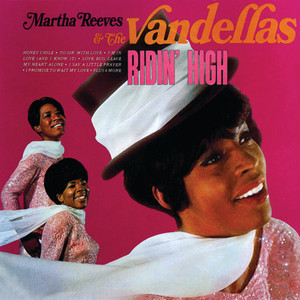
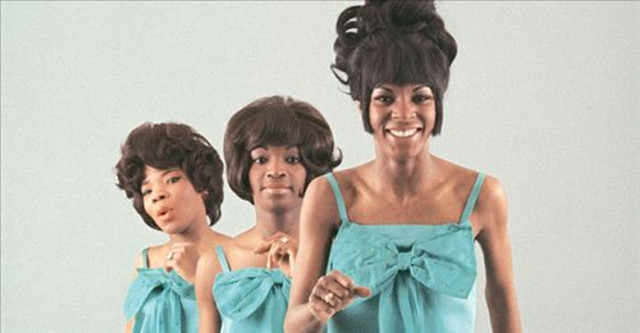
Martha Reeves & The Vandellas
Data may be outdated
Last updated: 2 weeks ago — Click refresh to get the latest statistics.
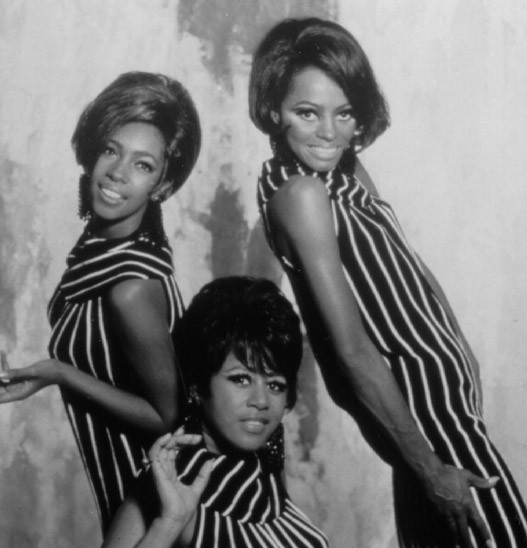
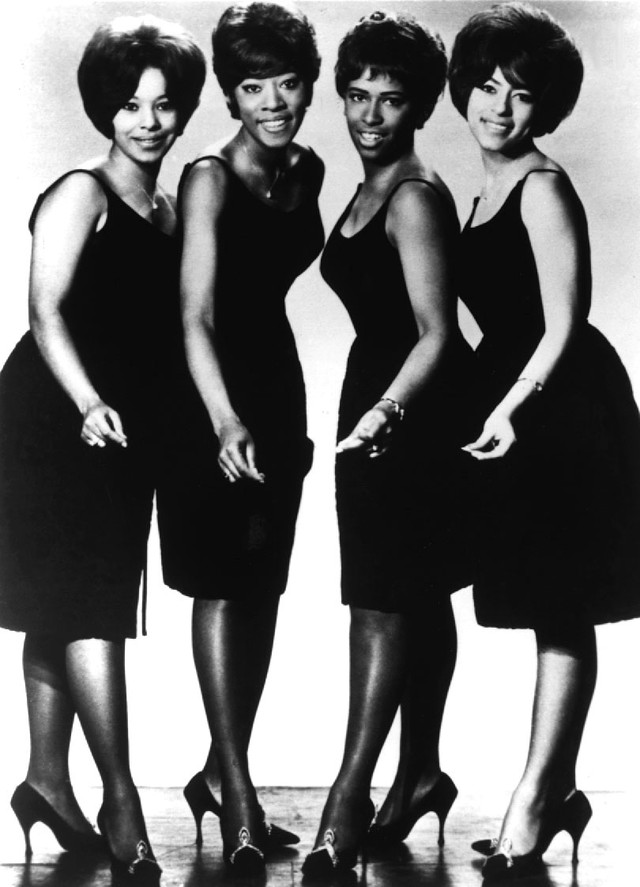
The single fizzled, and <a href="spotify:artist:08GkxmyBubZ2EPYyWMSUWQ">Williams</a> exited, reducing the group to a trio. After backing <a href="spotify:artist:3koiLjNrgRTNbOwViDipeA">Marvin Gaye</a> on the superb 1962 record "Stubborn Kind of Fellow," they were renamed Martha & the Vandellas, taking inspiration from Detroit's Van Dyke Street and <a href="spotify:artist:3Hut5CO4gDNYQfG63a7Wl4">Reeves</a>' heroine, <a href="spotify:artist:63qOOnxbI8rVgpakjpnFBp">Della Reese</a>. When singer <a href="spotify:artist:1cjZk1xXn3YCToNg3uJpA7">Mary Wells</a> failed to show up for a recording date, musicians' union rules demanded that a vocalist be found to fulfill contractual obligations. As a result, <a href="spotify:artist:3Hut5CO4gDNYQfG63a7Wl4">Reeves</a> was yanked from the secretarial pool and laid down what would become Martha & the Vandellas' first record, 1962's "I'll Have to Let Him Go."
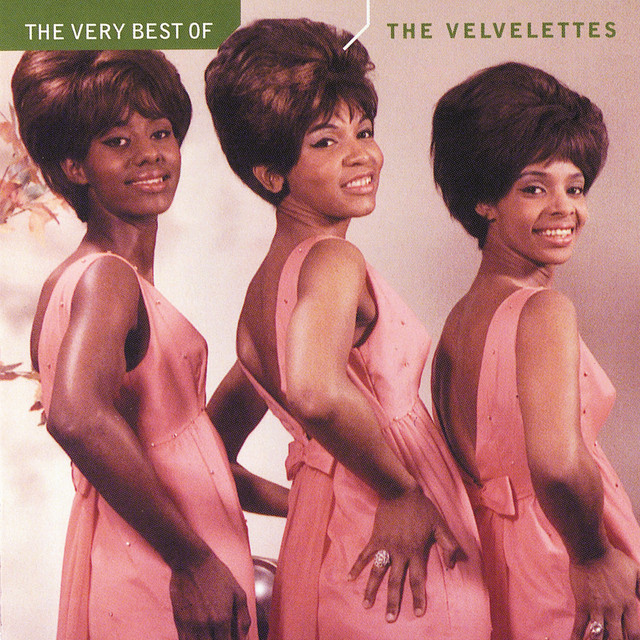
The Top 30 success of the ballad "Come and Get These Memories" brought the group the attention of Motown's hit-making production team <a href="spotify:artist:3ig4Yf8S2Bjq2yVsiayKM0">Holland-Dozier-Holland</a>, who crafted their next smash, the galvanizing Top Five classic "Heat Wave," which perfected the mix of impassioned call-and-response vocals, pulsing rhythms, and full-bodied horns that became the trio's trademark. Following another Top Ten hit, "Quicksand," Beard retired, and was replaced by former <a href="spotify:artist:72Q7helEnjOptf8FAoZQTi">Velvelette</a> Betty Kelly. After singer <a href="spotify:artist:71pUA2TXf3JHUPUgsjLtuL">Kim Weston</a> turned down the <a href="spotify:artist:3koiLjNrgRTNbOwViDipeA">Marvin Gaye</a>/<a href="spotify:artist:3DpdJvcq90sWYUx35Tcbea">Ivy Jo Hunter</a>/Mickey Stevenson composition "Dancing in the Street," the song was shuttled to Martha & the Vandellas; refashioned by <a href="spotify:artist:3ig4Yf8S2Bjq2yVsiayKM0">Holland-Dozier-Holland</a> to fit the group's formula, the anthem became their biggest hit and definitive statement, reaching number two in the summer of 1964. A year later, they returned with another smash, the savage "Nowhere to Run," followed by "I'm Ready for Love."
In 1967, Kelly exited, and was replaced by <a href="spotify:artist:3Hut5CO4gDNYQfG63a7Wl4">Reeves</a>' younger sister Lois; on subsequent releases, the group was billed as Martha Reeves & the Vandellas. 1967's "Jimmy Mack" and "Honey Chile" were the last records overseen by the <a href="spotify:artist:3ig4Yf8S2Bjq2yVsiayKM0">Holland-Dozier-Holland</a> team before their defection from Motown, and were also the final significant Vandellas hits. In 1968, <a href="spotify:artist:3Hut5CO4gDNYQfG63a7Wl4">Martha Reeves</a> fell seriously ill, and in 1969 Ashford departed, with another former <a href="spotify:artist:72Q7helEnjOptf8FAoZQTi">Velvelette</a>, Sandra Tilley, assuming her position. The trio continued unsuccessfully for a few more years before breaking up in the wake of a December 1972 farewell performance at Detroit's Cobo Hall. After Motown relocated its corporate offices to Los Angeles (a move <a href="spotify:artist:3Hut5CO4gDNYQfG63a7Wl4">Reeves</a> denied she was privy to), the singer, who had begun a solo career, sued to have her contract with the label annulled. In her 1994 autobiography, Dancing in the Street, she charged that the Vandellas' career, though highly successful in its own right, could have been even greater had Motown founder <a href="spotify:artist:4xRLKAf96K6YdGDWjY6ra8">Berry Gordy, Jr.</a> given their music the same obsessive attention he afforded to <a href="spotify:artist:0rXI0q8Cahq6numvPlloaq">Diana Ross & the Supremes</a>.
<a href="spotify:artist:3Hut5CO4gDNYQfG63a7Wl4">Reeves</a> recorded her debut solo effort, Martha Reeves, for MCA in 1974. Though a few more LPs followed, including 1976's The Rest of My Life and 1978's We Meet Again, she received little notice on her own, and eventually suffered a pair of nervous breakdowns that led to a brief period of institutionalization. Lois Reeves, meanwhile, went on to work with <a href="spotify:artist:3dkbV4qihUeMsqN4vBGg93">Al Green</a>, while Sandra Tilley retired from music; she died in 1982 following surgery on a brain tumor. In 1989, <a href="spotify:artist:3Hut5CO4gDNYQfG63a7Wl4">Martha Reeves</a>, Annette Beard, and Rosalind Ashford successfully sued Motown for back royalties, and occasionally reunited for performances in the '90s. <a href="spotify:artist:3Hut5CO4gDNYQfG63a7Wl4">Reeves</a> also continued as a solo artist, and in addition performed with a Vandellas unit consisting of Lois and a third sister, Delphine. She released another solo album, the independent Home to You, in 2004. From 2005 through 2009, she served on Detroit's city council. Afterward, she aligned with a non-profit organization to help musicians receive royalties, and she continued to be an active performer with the Vandellas. ~ Jason Ankeny, Rovi
Monthly Listeners
1.2 million
Monthly Listeners History
Track the evolution of monthly listeners over the last 28 days.
Followers
524,696
Followers History
Track the evolution of followers over the last 28 days.
Total Streams
1.2 billion
Total Streams History
Track the evolution of total streams over the last 28 days. This data is calculated from all tracks listed in the artist's discography.
Top Cities


Related Artists