Data may be outdated
Last updated: 3 weeks ago — Click refresh to get the latest statistics.
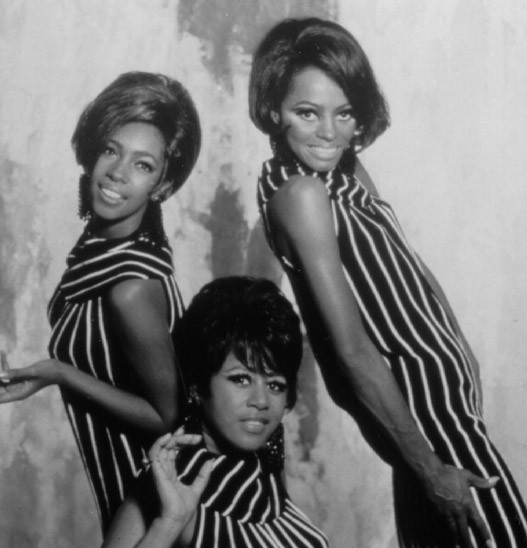
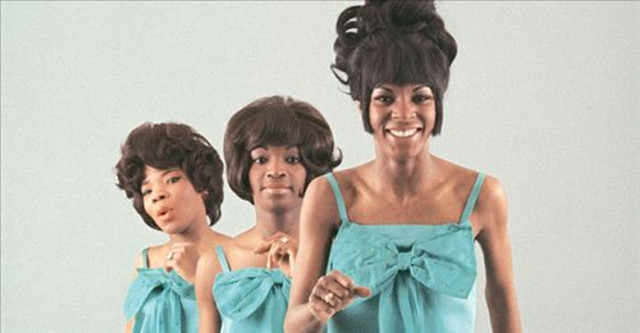
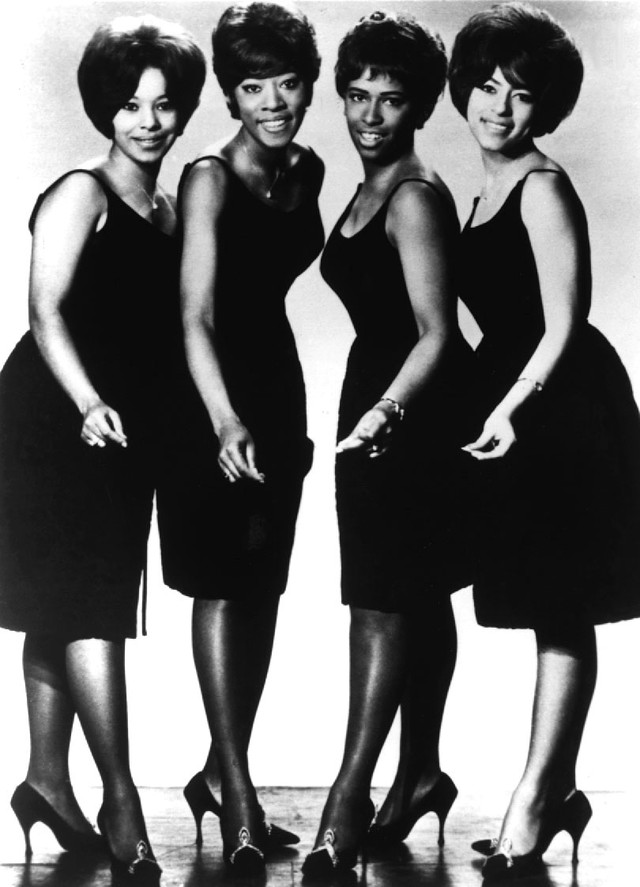
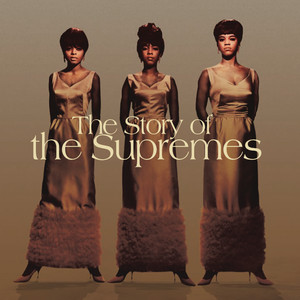
Detroit teenagers <a href="spotify:artist:0zMARa1HaHhAB7NGnK3Q7s">Florence Ballard</a>, <a href="spotify:artist:0sVBrfbxArs1HzXhay1gem">Mary Wilson</a>, <a href="spotify:artist:3MdG05syQeRYPPcClLaUGl">Diana Ross</a>, and Betty McGlown performed and recorded together first as <a href="spotify:artist:3IMn1K32JunlYBqi5URp9v">the Primettes</a>, the sister group of <a href="spotify:artist:3RwQ26hR2tJtA8F9p2n7jG">Temptations</a> precursors the Primes. All teenagers from the city's Brewster-Douglass housing project, <a href="spotify:artist:3IMn1K32JunlYBqi5URp9v">the Primettes</a> formed in 1959, and the next year released their lone single under that name on the local <a href="spotify:search:label%3A%22Lupine%22">Lupine</a> label. McGlown left following her engagement and was replaced by Barbara Martin. <a href="spotify:artist:3IMn1K32JunlYBqi5URp9v">The Primettes</a> had auditioned without success for <a href="spotify:search:label%3A%22Motown%22">Motown</a> founder <a href="spotify:artist:4xRLKAf96K6YdGDWjY6ra8">Berry Gordy</a>, but that didn't prevent them from frequenting the label's West Grand Boulevard headquarters, where they ingratiated themselves by adding background vocals and handclaps for studio sessions. In January 1961, they achieved their goal of signing with <a href="spotify:search:label%3A%22Motown%22">Motown</a>. Instructed to rename themselves and handed a list of options, <a href="spotify:artist:3IMn1K32JunlYBqi5URp9v">the Primettes</a> became <a href="spotify:artist:57bUPid8xztkieZfS7OlEV">the Supremes</a>. That year, <a href="spotify:artist:57bUPid8xztkieZfS7OlEV">the Supremes</a> released their first two singles, "I Want a Guy" and "Buttered Popcorn," on <a href="spotify:search:label%3A%22Motown%22">Motown</a> subsidiary <a href="spotify:search:label%3A%22Tamla%22">Tamla</a>. The group moved to <a href="spotify:search:label%3A%22Motown%22">Motown</a> proper the next year with their third single, "Your Heart Belongs to Me." It was fitting that this was their first entry on the Billboard pop chart, given that it was written and produced by the man who introduced <a href="spotify:artist:1xS9wRaWvtlxsmERNuNJF2">the Pipettes</a> to <a href="spotify:artist:4xRLKAf96K6YdGDWjY6ra8">Gordy</a>, <a href="spotify:artist:0h9smro0z3HqUbD94jotU8">Smokey Robinson</a>. "Let Me Go the Right Way," which also charted, as well as the full-length Meet the Supremes, were both out by the end of 1962. The cover of Meet the Supremes indicated that the group were a trio. Martin had departed that spring to start a family.
<a href="spotify:artist:0zMARa1HaHhAB7NGnK3Q7s">Ballard</a>, <a href="spotify:artist:0sVBrfbxArs1HzXhay1gem">Wilson</a>, and <a href="spotify:artist:3MdG05syQeRYPPcClLaUGl">Ross</a> were subsequently paired with the songwriting/production team of Brian and <a href="spotify:artist:2BgyJtxoixkegtJX6HqT4w">Eddie Holland</a> and <a href="spotify:artist:6Dpx8fRtNa9CEORHIiBQTG">Lamont Dozier</a>, known as <a href="spotify:artist:3ig4Yf8S2Bjq2yVsiayKM0">Holland-Dozier-Holland</a>. They immediately hit the Top 40 together in 1963 with "When the Lovelight Starts Shining Through His Eyes." An extraordinary hot streak followed across 1964 and 1965. <a href="spotify:artist:57bUPid8xztkieZfS7OlEV">The Supremes</a> and <a href="spotify:artist:3ig4Yf8S2Bjq2yVsiayKM0">Holland-Dozier-Holland</a> strung together five consecutive number one pop hits: "Where Did Our Love Go," the Grammy-nominated "Baby Love," "Come See About Me," second Grammy-nominated recording "Stop! In the Name of Love," and "Back in My Arms Again." These and other hits were scattered across the Top Ten albums Where Did Our Love Go and More Hits by the Supremes. Between the two LPs, a sequence of themed studio albums -- namely A Bit of Liverpool, The Supremes Sing Country Western & Pop, and We Remember Sam Cooke -- demonstrated the women's versatility beyond pop-soul.
Further success and change occurred in 1966 and 1967. The albums I Hear a Symphony, The Supremes A' Go-Go, and The Supremes Sing Holland-Dozier-Holland all peaked within the Top Ten, with the second of the trio a chart-topper. Seven A-sides issued during this period were similarly successful, and included four straight number ones with "You Can't Hurry Love," "You Keep Me Hanging On," "Love Is Here and Now You're Gone," and "The Happening," all collaborations with <a href="spotify:artist:3ig4Yf8S2Bjq2yVsiayKM0">Holland-Dozier-Holland</a>. During the latter year, <a href="spotify:artist:4xRLKAf96K6YdGDWjY6ra8">Berry Gordy</a> started priming <a href="spotify:artist:3MdG05syQeRYPPcClLaUGl">Ross</a> for a solo career by presenting the group as the Supremes with Diana Ross, and then as Diana Ross & the Supremes. <a href="spotify:artist:4xRLKAf96K6YdGDWjY6ra8">Gordy</a> also dealt with a period of instability by replacing <a href="spotify:artist:0zMARa1HaHhAB7NGnK3Q7s">Florence Ballard</a> with Cindy Birdsong, previously of <a href="spotify:artist:6jC3we42hI3esAWszUkf6r">the Bluebelles</a>.
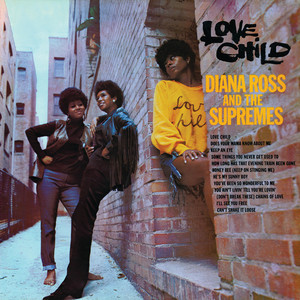
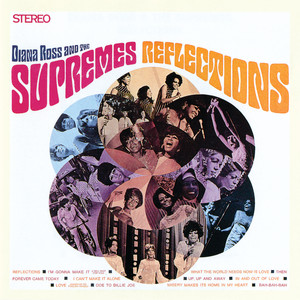
As Diana Ross & the Supremes, a billing that lasted from late 1967 through mid-January 1970, the group remained very popular, notching another Top Ten album with Diana Ross & the Supremes Join the Temptations, and reaching the top with TCB, the soundtrack to the television special of the same name. Moreover, there were six additional Top Ten hits, including "Reflections" and the chart-toppers "Love Child" and "Someday We'll Be Together." The second of the three mentioned songs, a groundbreaking narrative, was the first big hit written and produced by the Clan, a team consisting of <a href="spotify:artist:4Yg38CnYMoN09sMLf6KDdW">R. Dean Taylor</a>, Frank Wilson, Pam Sawyer, Deke Richards, and <a href="spotify:artist:4sKgB4xkwoanqkH60BNYjv">Henry Cosby</a>. The third one was <a href="spotify:artist:3MdG05syQeRYPPcClLaUGl">Ross</a>' studio farewell. When <a href="spotify:artist:57bUPid8xztkieZfS7OlEV">the Supremes</a> performed with <a href="spotify:artist:3MdG05syQeRYPPcClLaUGl">Ross</a> for the last time, <a href="spotify:artist:1sYNFp0dCmAtwFls3DbbbP">Jean Terrell</a> -- a <a href="spotify:artist:4xRLKAf96K6YdGDWjY6ra8">Gordy</a> discovery -- was introduced as a new member. Without <a href="spotify:artist:3MdG05syQeRYPPcClLaUGl">Ross</a>, they rebounded instantly with the Top Ten hit "Up the Ladder to the Roof" and the Top 40 entry "Everybody's Got the Right to Love." Those two Frank Wilson-produced singles anchored Right On, the first of seven <a href="spotify:artist:57bUPid8xztkieZfS7OlEV">Supremes</a> studio LPs featuring the lineup of <a href="spotify:artist:0sVBrfbxArs1HzXhay1gem">Mary Wilson</a>, Cindy Birdsong, and <a href="spotify:artist:1sYNFp0dCmAtwFls3DbbbP">Terrell</a>. Among the other six was a trilogy cut with <a href="spotify:artist:7fIvjotigTGWqjIz6EP1i4">the Four Tops</a>.
Well into 1972, <a href="spotify:artist:57bUPid8xztkieZfS7OlEV">the Supremes</a> unloaded an additional haul of Top 40 entries highlighted by "Stoned Love," the group's last single to peak in the Top Ten. Cindy Birdsong left after the sessions for the '72 LP Floy Joy, the cover of which displays the lineup with temporary replacement Lynda Laurence, who had sung backup for <a href="spotify:artist:7guDJrEfX3qb6FEbdPA5qi">Stevie Wonder</a>. Laurence spelled Birdsong until late 1973, also the year of <a href="spotify:artist:1sYNFp0dCmAtwFls3DbbbP">Terrell</a>'s departure. <a href="spotify:artist:1sYNFp0dCmAtwFls3DbbbP">Terrell</a>'s final LP was the anomalous The Supremes Produced and Arranged by Jimmy Webb, issued the previous year. <a href="spotify:artist:0zYnyitabI3Yfx7tpi7NGm">Scherrie Payne</a>, formerly of the Glass House (and the sister of <a href="spotify:artist:0701Axu6yvUIoctaKMbDIZ">Freda Payne</a>), joined <a href="spotify:artist:0sVBrfbxArs1HzXhay1gem">Wilson</a> and Birdsong, and this trio lasted into 1976, releasing only one album as a unit, The Supremes. <a href="spotify:artist:6Ofsn6Qqjj1BAgpbwmu6pR">Susaye Greene</a> joined for the '76 albums High Energy and Mary, Scherrie & Susaye, though the outgoing Birdsong was present for the recording of the former. The biggest single off these two final <a href="spotify:artist:57bUPid8xztkieZfS7OlEV">Supremes</a> LPs was a reunion with Brian and <a href="spotify:artist:2BgyJtxoixkegtJX6HqT4w">Eddie Holland</a>, "I'm Gonna Let My Heart Do the Walking," that touched the Top 40. Mary, Scherrie & Susaye featured a mesmerizing collaboration with the Hollands and <a href="spotify:artist:6Xktfsmu8Tlg3071prbJej">Richard Davis</a>, "Come Into My Life," among other songs with commercial potential, but the album received little in the way of promotion. At Drury Lane in London the following June, <a href="spotify:artist:57bUPid8xztkieZfS7OlEV">the Supremes</a> performed what turned out to be their farewell concert.
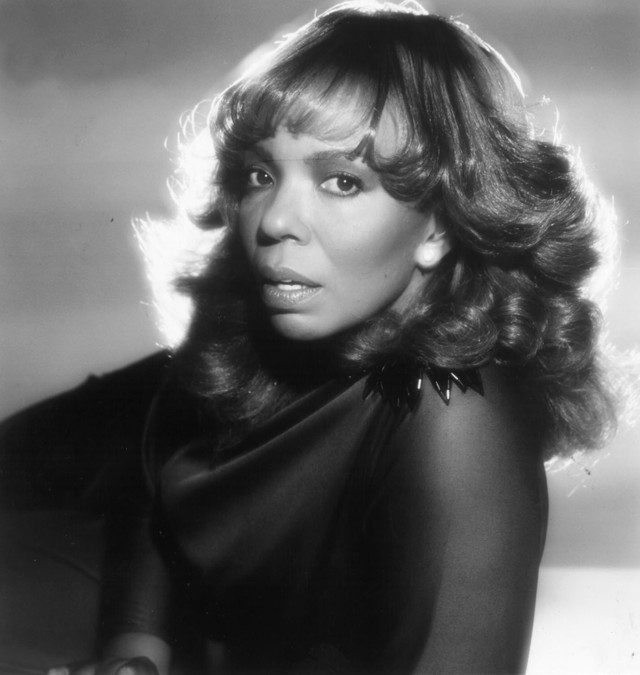
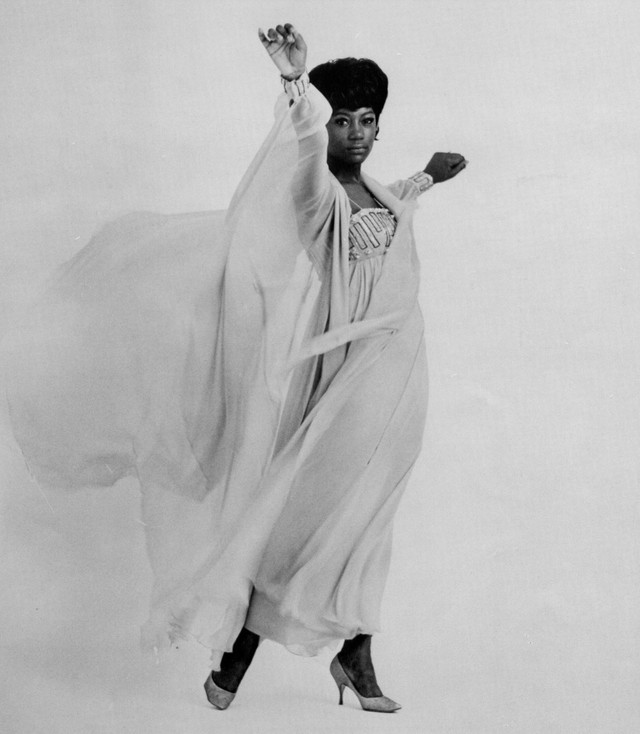
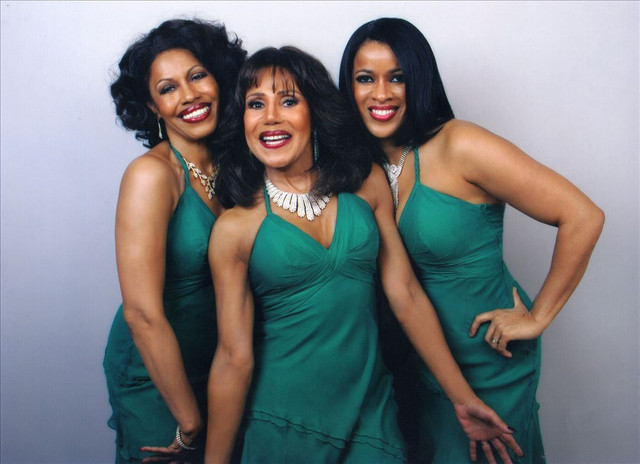
By the end of the '70s, <a href="spotify:artist:0zYnyitabI3Yfx7tpi7NGm">Scherrie Payne</a> and <a href="spotify:artist:0sVBrfbxArs1HzXhay1gem">Mary Wilson</a> made their solo Motown debuts. <a href="spotify:artist:0zYnyitabI3Yfx7tpi7NGm">Payne</a> and <a href="spotify:artist:6Ofsn6Qqjj1BAgpbwmu6pR">Susaye Greene</a> also recorded the 1979 album Partners as a <a href="spotify:search:label%3A%22Motown%22">Motown</a> duo. Subsequent <a href="spotify:artist:57bUPid8xztkieZfS7OlEV">Supremes</a> reunions have been either one-off occasions or partial. The 1983 television special Motown 25: Yesterday, Today, Forever featured <a href="spotify:artist:3MdG05syQeRYPPcClLaUGl">Diana Ross</a>, <a href="spotify:artist:0sVBrfbxArs1HzXhay1gem">Wilson</a>, and Cindy Birdsong performing "Someday We'll Be Together." Starting in 1986, various lineups -- starting with <a href="spotify:artist:1sYNFp0dCmAtwFls3DbbbP">Jean Terrell</a>, <a href="spotify:artist:0zYnyitabI3Yfx7tpi7NGm">Payne</a>, and Lynda Laurence -- have performed as the Former Ladies of the Supremes (or FLOS). In 2000, <a href="spotify:artist:3MdG05syQeRYPPcClLaUGl">Ross</a>, Laurence, and <a href="spotify:artist:0zYnyitabI3Yfx7tpi7NGm">Payne</a> -- no combination of which had been in the same <a href="spotify:artist:57bUPid8xztkieZfS7OlEV">Supremes</a> lineup -- teamed up for a lengthy U.S. tour that was cut short before the halfway point. <a href="spotify:artist:0zMARa1HaHhAB7NGnK3Q7s">Florence Ballard</a>, who released a pair of solo singles on <a href="spotify:search:label%3A%22ABC%22">ABC</a> in 1968, died from cardiac arrest in 1976. Betty McGlown died of diabetes in 2008. Barbara Martin died in 2020. <a href="spotify:artist:0sVBrfbxArs1HzXhay1gem">Wilson</a>, who had continued to record as a solo artist and hit the New York Times best-seller list with her first book, Dreamgirl: My Life as a Supreme, died from heart disease in 2021. ~ Andy Kellman, Rovi
Monthly Listeners
553,114
Monthly Listeners History
Track the evolution of monthly listeners over the last 28 days.
Followers
149,958
Followers History
Track the evolution of followers over the last 28 days.
Total Streams
185.4 million
Total Streams History
Track the evolution of total streams over the last 28 days. This data is calculated from all tracks listed in the artist's discography.




![Get Ready/Stop! In The Name of Love/My Guy/Baby Love/(I Know) I'm Losing You [Medley/Live On The Ed Sullivan Show, November 19, 1967]](https://i.scdn.co/image/ab67616d00001e02bd919603c71bb40024ce8af4)