Data may be outdated
Last updated: 2 weeks ago — Click refresh to get the latest statistics.
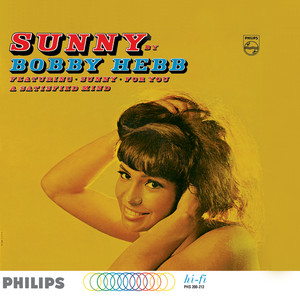
<a href="spotify:artist:5rWKAmlxinr3muqedXVIHa">Georgie Fame</a> and <a href="spotify:artist:72OaDtakiy6yFqkt4TsiFt">Cher</a> charted with the title in England, but it was the Bobby Hebb original that reached the highest on charts in Europe and America. Covers by <a href="spotify:artist:1Mxqyy3pSjf8kZZL4QVxS0">Frank Sinatra</a> with <a href="spotify:artist:4F7Q5NV6h5TSwCainz8S5A">Duke Ellington</a>, <a href="spotify:artist:5V0MlUE1Bft0mbLlND7FJz">Ella Fitzgerald</a>, <a href="spotify:artist:7guDJrEfX3qb6FEbdPA5qi">Stevie Wonder</a>, <a href="spotify:artist:3CDKmzJu6uwEGnPLLZffpD">Frankie Valli</a>, <a href="spotify:artist:2JfVCMa3FlvQRlLT5uH9zb">Nancy Wilson</a>, <a href="spotify:artist:7fIvjotigTGWqjIz6EP1i4">the Four Tops</a>, <a href="spotify:artist:0N5PyKJzS3M1XNlaCL7bbE">Wilson Pickett</a>, <a href="spotify:artist:5zaXYwewAXedKNCff45U5l">Dusty Springfield</a>, and so many others insured the song would reach audiences outside of those who heard and continue to hear it on Top 40 and "oldies" stations. But the song reached out beyond Top 40, climbing the country and R&B charts as well. Kal Rudman calls this a rare industry "hat trick" in the liner notes on the 1966 <a href="spotify:search:label%3A%22Philips%22">Philips</a> album, but what no one could predict is how the song would find versions by <a href="spotify:artist:54R6Y0I7jGUCveDTtI21nb">Boney M.</a> and <a href="spotify:artist:4bt3NedLz3Lj3MtCE0UWNY">Yambu</a> bringing it to dance clubs, while jazz musicians explored the nuances of this amazing composition in their world. Hebb himself, in 2001, performed the title with the Kubato Power Jazz Unit and Michael Shea Trio, the latter band featuring Thomas Hebb, Bobby's nephew, on bass. Noted author James Isaacs, whose liner note essays appear in some of the <a href="spotify:artist:1Mxqyy3pSjf8kZZL4QVxS0">Sinatra</a> box sets, provided a list of jazz musicians who have covered Hebb's signature tune: guitarist <a href="spotify:artist:4DlMMgnldzX6OkCskmeGKz">Pat Martino</a>; singers <a href="spotify:artist:7yNele4jnVhZJ2GE7Kg25T">Ernestine Anderson</a>, <a href="spotify:artist:2QAX1NsHShxdn1PQZuhYc5">Bill Henderson</a>, and <a href="spotify:artist:5QGnprJtpZmk3OiDqspPlB">Anita O'Day</a>; organist <a href="spotify:artist:2hpwTpq2QENZv7EAvniKDR">Joey DeFrancesco</a>; drummer Don Houge; pianists <a href="spotify:artist:5aw7ceKEBoC9jvYp9gViY1">Joe Bonner</a> and <a href="spotify:artist:6BvSJSt6l7QJO2GHvtwFOK">Hampton Hawes</a>; trumpeter/flügelhornist <a href="spotify:artist:61H5hlGcq4Eb07Kshu9ett">Marvin Stamm</a>; alto saxophonist <a href="spotify:artist:5HL4KA3y1IyeAD2TbgaoYe">Sonny Criss</a>; and guitarist <a href="spotify:artist:2mBoEYescv3YHDG5rH6uKd">Stanley Jordan</a>; among others.
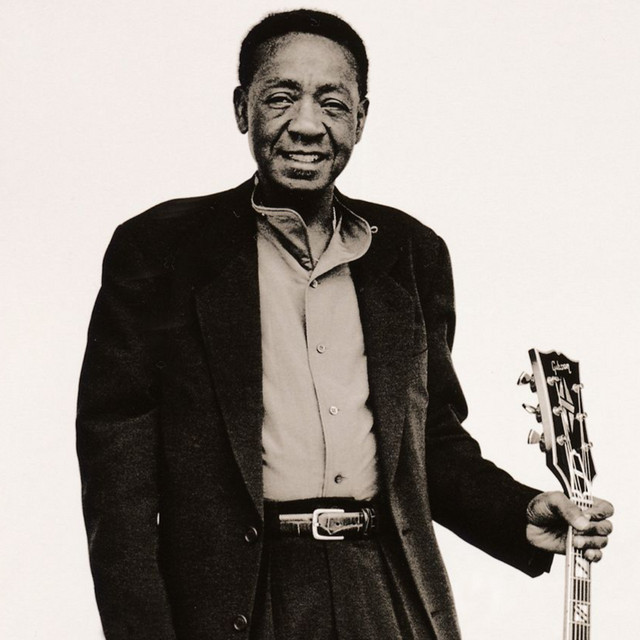
Bobby Hebb's influence goes far beyond "Sunny." When he joined <a href="spotify:artist:7heUyuJw3gZftFZRa1rV6M">Roy Acuff</a>'s Smokey Mountain Boys around 1952 in Nashville, he was one of the first African-American artists to perform on The Grand Ole Opry before <a href="spotify:artist:69Fk1s1lzINOKqoSWjjEiE">Charley Pride</a>. Hebb moved to Chicago in 1954: "I wanted to play some music, and I wanted to advance my career, I didn't find the jazz I was looking for, but I ran into a lot of blues...I worked with <a href="spotify:artist:2bmixwMZXlkl2sbIbOfviq">Bo Diddley</a>, maybe on an early <a href="spotify:artist:2bmixwMZXlkl2sbIbOfviq">Ellis McDaniels</a> album." The song was "Diddly Diddly Diddly Daddy" with <a href="spotify:artist:1sZwQg2rvSlGhkG218SouM">the Moonglows</a> and <a href="spotify:artist:22JuR9OeENcP54XN5TlNWS">Little Walter</a>, recorded at Leonard Chess' studio in the back of his record shop on Cottage Grove Ave.; "Leonard was the engineer," Hebb noted while telling this part of his rich history.
Hebb joined the Navy in 1955, playing the trumpet: "I learned West Coast jazz in the Navy." The Navy band was the USS Pine Island Pirates and they played "the whole time we were on board," including Hong Kong, performing for Madame Chiang Kai-shek (Sooong Mel-llng) at an event. The band got to meet Chiang Kai-shek as well.
Around 1958 Hebb tracked "Night Train to Memphis," a song written by <a href="spotify:artist:5xH1vVLhBdyOmP2UVoQr3b">Owen Bradley</a> for <a href="spotify:artist:7heUyuJw3gZftFZRa1rV6M">Roy Acuff</a>'s Smokey Mountain Boys. The tune was re-released in 1998 on a <a href="spotify:search:label%3A%22Warner+Bros.%22">Warner Bros.</a> box set, From Where I Stand, which also included "A Satisfied Mind" from the 1966 Sunny album. After that Hebb worked with <a href="spotify:artist:320TrJub4arztwXRm7kqVO">Dr. John</a> and left Nashville for New York. Disc jockey John "R" Richbourg, owner of Rich Records, which had released "Night Train to Memphis," got Hebb a gig at <a href="spotify:artist:5tSWhJQyABPCBpRmYLWXOA">Sylvia Robinson</a>'s Blue Morocco Club. "I went for two weeks and stayed two years. The first two weeks I opened up with a <a href="spotify:artist:48nwxUvPJZkm8uPa7xMzmj">Bobby Blue Bland</a> song "Farther on Up the Road." The band playing behind me was <a href="spotify:artist:3snDbXCNwmoFk1MAbhsJal">Jimmy Castor</a>, later on <a href="spotify:artist:0v0wFiHWFaKEEAwlDtDiRT">Bernard Purdie</a> had just come to New York from Baltimore with Jewel Paige." Hebb eventually replaced <a href="spotify:artist:5kFY4Bv5VRSBsM6CUYBoTC">Mickey</a> in <a href="spotify:artist:5tSWhJQyABPCBpRmYLWXOA">Sylvia Robinson</a>'s group <a href="spotify:artist:4Ej7Oks6loB2oJQ3O7Rujs">Mickey & Sylvia</a>, who originally hit with "Love Is Strange." The duo became Bobby & Sylvia after <a href="spotify:artist:5kFY4Bv5VRSBsM6CUYBoTC">Mickey</a> left for Paris.
After Bobby & Sylvia, Hebb was represented by Buster Newman, the man who "got 'Sunny' happening in a lot of different ways." All the publishers they went to turned the song down. <a href="spotify:artist:4pjioeK9dSmPLidJt7tXcz">Newman</a>'s partner was Lloyd Greenfield, who managed <a href="spotify:artist:1T0wRBO0CK0vK8ouUMqEl5">Tom Jones</a> and <a href="spotify:artist:17XXKfRBMCWvLrqGoNkJXm">Engelbert Humperdinck</a>, adding to his roster Bobby Hebb. While other groups in 1966 like Remains and the <a href="spotify:artist:3ur7kjN4pd94zjUxrFSMDj">Ronnie Spector</a>-less <a href="spotify:artist:7CyeXFnOrfC1N6z4naIpgo">Ronettes</a> opened for <a href="spotify:artist:3WrFJ7ztbogyGnTHbHJFl2">the Beatles</a>, Bobby Hebb was headlining the tour with <a href="spotify:artist:3WrFJ7ztbogyGnTHbHJFl2">the Beatles</a>, a fact that seems to have gotten lost in the overwhelming history of <a href="spotify:artist:3WrFJ7ztbogyGnTHbHJFl2">the Fab Four</a>. After this, Hebb met comedian/composer <a href="spotify:artist:6fkiNS8oDL4R3FgM4uLNNq">Sandy Baron</a> and the two got busy writing a Broadway show that never made it to Broadway. However, two of the songs -- "A Natural Man" and a tune they were writing about <a href="spotify:artist:3koiLjNrgRTNbOwViDipeA">Marvin Gaye</a>, "His Song Shall Be Sung" -- were picked up by <a href="spotify:artist:1zJBFCev9UwOMcrZsLi2od">Lou Rawls</a> and released on <a href="spotify:search:label%3A%22MGM%22">MGM</a>. The pair had actually rejected "A Natural Man" from their Broadway play. The original title of the song was "Natural Resource," but they doctored it up and gave it a different groove after <a href="spotify:artist:6fkiNS8oDL4R3FgM4uLNNq">Sandy Baron</a> got <a href="spotify:artist:7vuXCITiRilCLfuySIgZKM">Rawls</a> interested in what became a huge hit for him. In 2001, the song was the title track on Natural Man/Classic Lou, a <a href="spotify:artist:7vuXCITiRilCLfuySIgZKM">Rawls</a> best-of released by <a href="spotify:search:label%3A%22Universal%22">Universal</a>.
Sadly, <a href="spotify:artist:1PaUfXQUVSLnY2BbfJoTah">Baron</a> passed away in 2001, the year that saw the release of Roof Music's 16-track compilation of artists covering "Sunny," and interest in Europe for the song and the man who wrote and sang the definitive version. On July 28, 2001, two days after Hebb's 63rd birthday, <a href="spotify:artist:0v0wFiHWFaKEEAwlDtDiRT">Bernard Purdie</a> was performing with Masters of Groove at The House of Blues in Cambridge, MA and -- for the first time in over three decades -- Hebb and <a href="spotify:artist:0v0wFiHWFaKEEAwlDtDiRT">Purdie</a> spoke on the phone and got to see each other at the show that evening. Hebb also performed in June of 2001 at the opening of the Martini & Rossi 100 Years photo exhibit in Boston, shortly after graduating from mini-med school. Bobby Hebb passed away at age 72 on August 3, 2010, after battling lung cancer. ~ Joe Viglione, Rovi
Monthly Listeners
1.2 million
Monthly Listeners History
Track the evolution of monthly listeners over the last 28 days.
Followers
61,676
Followers History
Track the evolution of followers over the last 28 days.
Total Streams
417.0 million
Total Streams History
Track the evolution of total streams over the last 28 days. This data is calculated from all tracks listed in the artist's discography.
Top Cities




Related Artists
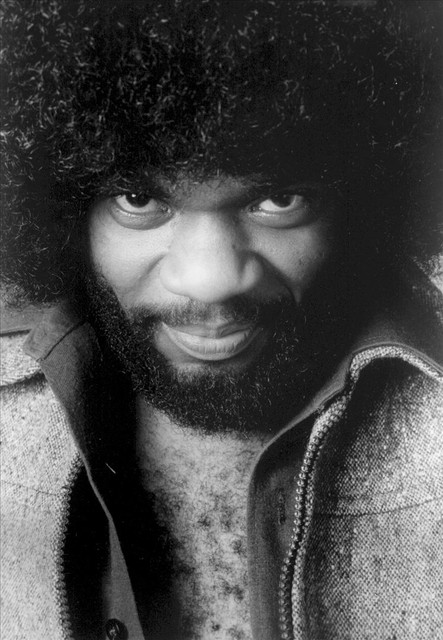
Bill Withers
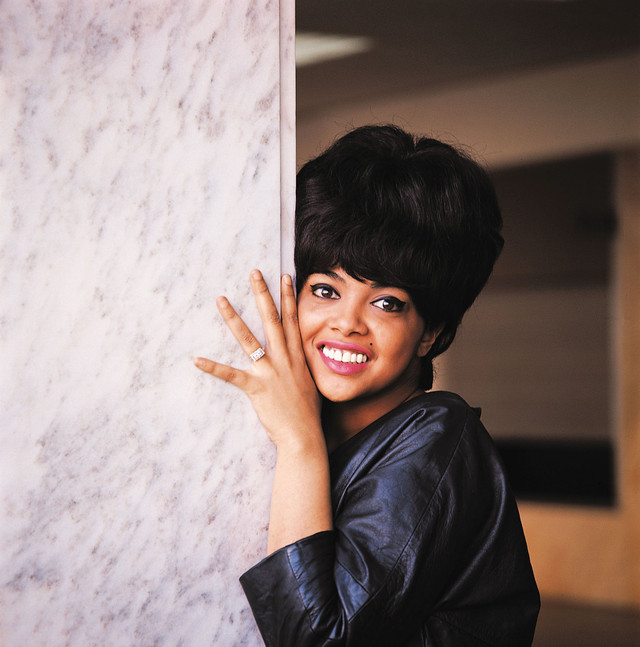
Tammi Terrell
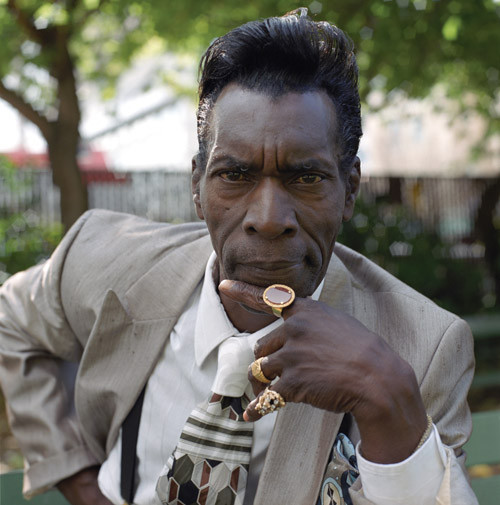
Darondo