Data may be outdated
Last updated: 9 months ago — Click refresh to get the latest statistics.
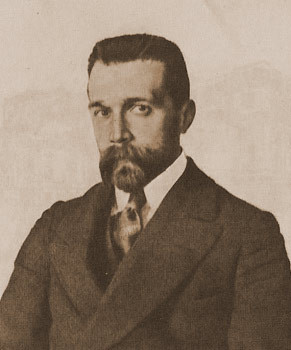
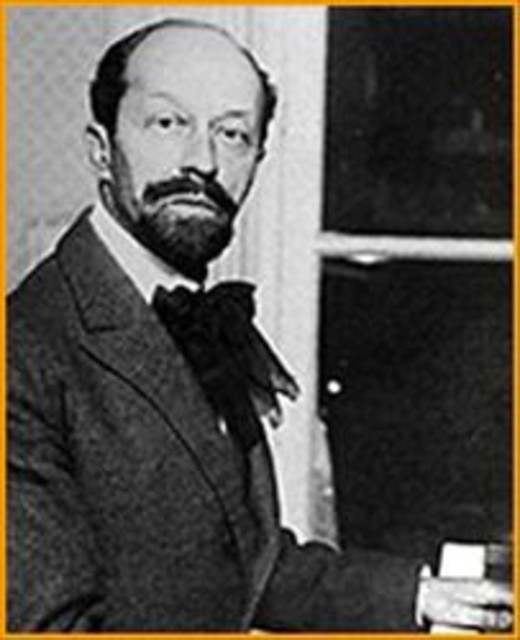
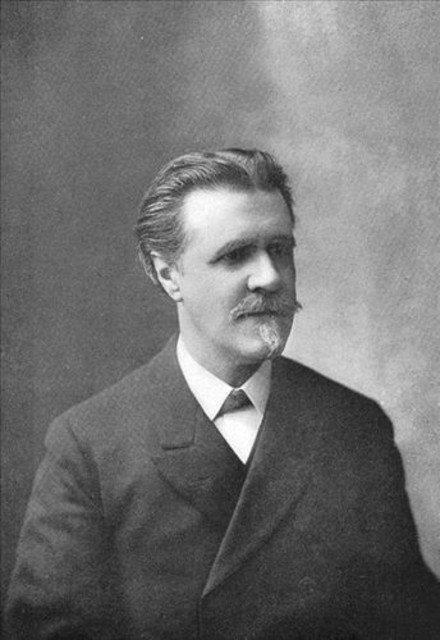
Ermanno Wolf-Ferrari was an important Italian composer of the late nineteenth and early twentieth centuries. His comic operas may be his best-known works, but none have endured in the standard repertory. Toward the latter twentieth century his Op. 26 Violin Concerto (1901) began gaining some currency, as well as chamber works like Piano Trios, Opp. 5 and 7, and the Idillio-concertino, Op. 15.
Wolf-Ferrari was born in Venice on January 12, 1876, to a Bavarian father and an Italian mother. He showed unusual talent on the piano in his childhood, but gradually felt drawn toward painting, the art world of his father. He enrolled at the Academia di Belle Arti when he was 15 and two years later relocated to Munich to pursue further art instruction. However, he soon began composition studies with <a href="spotify:artist:6VqbzLwDT1yDg7ghR4jKyL">Rheinberger</a> at the Munich Akademie der Tonkunst. His first works date to 1893, with his E flat Serenade for strings possibly being the earliest serious effort.
In 1895, the young composer, previously known Ermanno Wolf, became Ermanno Wolf-Ferrari, attaching his mother's maiden name to the family surname. Apparently, he desired renewed connection to the Italian side of his heritage. Indeed, he returned to Venice that year in a vain attempt to launch his composing career. He would fail to interest the famous publisher Giulio Ricordi in his early operas, Irene (1895-1896) and the incomplete La Camargo (1897).
However, his first serious effort at opera, Cenerentola (1900), did reach the stage in Venice on February 22, 1900. Though it failed, the composer's 1902 revision achieved great success in Bremen, Germany. His 1901 cantata La vita nuova was also greeted enthusiastically. Wolf-Ferrari's next operas met with general acceptance as well; Le donne curiose (1903), I quattro rusteghi (1906), and Il segreto di Susanna (1909), all comedies, were staged in Munich. The latter two became quite popular on the world's operatic stages for a time. During this period Wolf-Ferrari served in his native Venice as director of the Liceo Musicale.
After 1909 he made his living largely from his compositions. The First World War forced Wolf-Ferrari to abandon Munich for Zurich, where he wrote little. Ironically, the one major work he did turn out was another comedy, Gli amanti sposi (1916; originally begun in 1904). After the war he moved back to Munich, but still regularly visited Venice and maintained influential musical contacts.
His output remained meager until the mid-1920s when he completed Das Himmelsklied (1917-1925). His next operatic effort was Sly (1927), perhaps his most complex and most underrated. (The U.S. premiere of the work did not take place until 1999, when the Washington Opera, with <a href="spotify:artist:1ahGKezyX9Rl7GuEF2tc15">José Carreras</a> in the lead, introduced it.)
Wolf-Ferrari has generally been described as a gentle man with a childlike manner, whose music always reflected a conservative bent. Many have speculated the wartime woes he suffered in watching the two countries of his heritage divided by conflict, left indelible scars that altered his compositional style and focus.
Indeed, after three decades away from the instrumental realm, Wolf-Ferrari returned to the genre with the 1933 Idillio-concertino, for oboe, two horns, and strings, Op. 15. By the mid-1940s his opus number had reached above 30, largely on the strength of his renewed efforts in instrumental music -- only four operas followed Sly. Yet, outside of the 1946 Violin Concerto, most of these works were subsequently ignored, despite their generally solid features. Wolf-Ferrari died in Venice on January 21, 1948, his reputation already fading.
Wolf-Ferrari was born in Venice on January 12, 1876, to a Bavarian father and an Italian mother. He showed unusual talent on the piano in his childhood, but gradually felt drawn toward painting, the art world of his father. He enrolled at the Academia di Belle Arti when he was 15 and two years later relocated to Munich to pursue further art instruction. However, he soon began composition studies with <a href="spotify:artist:6VqbzLwDT1yDg7ghR4jKyL">Rheinberger</a> at the Munich Akademie der Tonkunst. His first works date to 1893, with his E flat Serenade for strings possibly being the earliest serious effort.
In 1895, the young composer, previously known Ermanno Wolf, became Ermanno Wolf-Ferrari, attaching his mother's maiden name to the family surname. Apparently, he desired renewed connection to the Italian side of his heritage. Indeed, he returned to Venice that year in a vain attempt to launch his composing career. He would fail to interest the famous publisher Giulio Ricordi in his early operas, Irene (1895-1896) and the incomplete La Camargo (1897).
However, his first serious effort at opera, Cenerentola (1900), did reach the stage in Venice on February 22, 1900. Though it failed, the composer's 1902 revision achieved great success in Bremen, Germany. His 1901 cantata La vita nuova was also greeted enthusiastically. Wolf-Ferrari's next operas met with general acceptance as well; Le donne curiose (1903), I quattro rusteghi (1906), and Il segreto di Susanna (1909), all comedies, were staged in Munich. The latter two became quite popular on the world's operatic stages for a time. During this period Wolf-Ferrari served in his native Venice as director of the Liceo Musicale.
After 1909 he made his living largely from his compositions. The First World War forced Wolf-Ferrari to abandon Munich for Zurich, where he wrote little. Ironically, the one major work he did turn out was another comedy, Gli amanti sposi (1916; originally begun in 1904). After the war he moved back to Munich, but still regularly visited Venice and maintained influential musical contacts.
His output remained meager until the mid-1920s when he completed Das Himmelsklied (1917-1925). His next operatic effort was Sly (1927), perhaps his most complex and most underrated. (The U.S. premiere of the work did not take place until 1999, when the Washington Opera, with <a href="spotify:artist:1ahGKezyX9Rl7GuEF2tc15">José Carreras</a> in the lead, introduced it.)
Wolf-Ferrari has generally been described as a gentle man with a childlike manner, whose music always reflected a conservative bent. Many have speculated the wartime woes he suffered in watching the two countries of his heritage divided by conflict, left indelible scars that altered his compositional style and focus.
Indeed, after three decades away from the instrumental realm, Wolf-Ferrari returned to the genre with the 1933 Idillio-concertino, for oboe, two horns, and strings, Op. 15. By the mid-1940s his opus number had reached above 30, largely on the strength of his renewed efforts in instrumental music -- only four operas followed Sly. Yet, outside of the 1946 Violin Concerto, most of these works were subsequently ignored, despite their generally solid features. Wolf-Ferrari died in Venice on January 21, 1948, his reputation already fading.
Monthly Listeners
13,029
Monthly Listeners History
Track the evolution of monthly listeners over the last 28 days.
Followers
1,210
Followers History
Track the evolution of followers over the last 28 days.
Top Cities
216 listeners

152 listeners

134 listeners

107 listeners

102 listeners

Related Artists
Granville Bantock


Thomas Martin

Andrea Molino
Félicien David



Serge Baudo
Rafael Rodriguez Albert

Joachim Raff

Franz Schreker
Desire-Emile Inghelbrecht

Walter Goehr
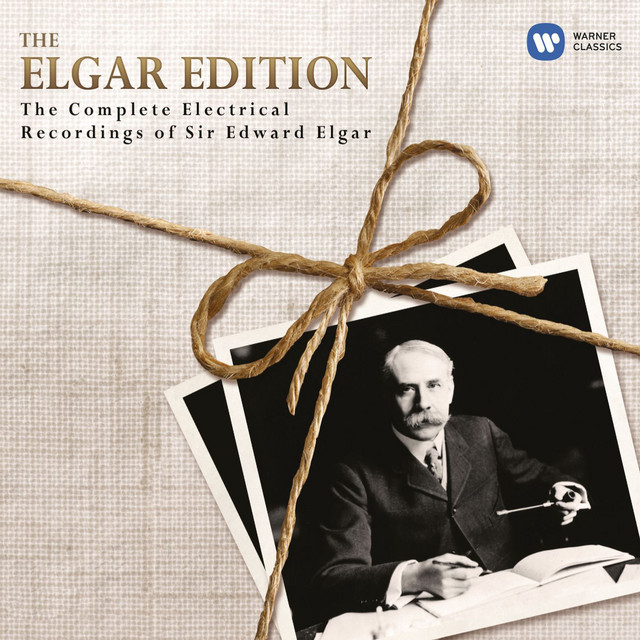
Sir Edward Elgar
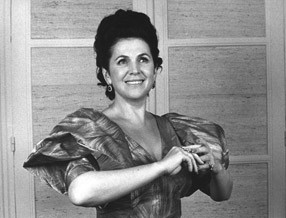
Galina Vishnevskaya
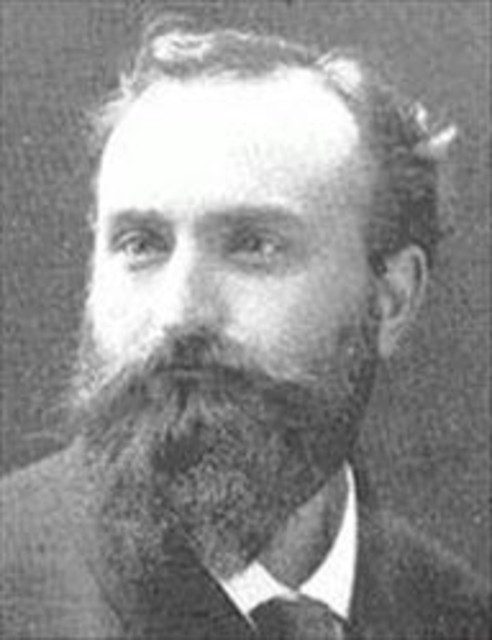
Netania Davrath
Joseph Marx

Henri Sauguet


Einar Englund

Alun Francis

Robert Schumann Philharmonie
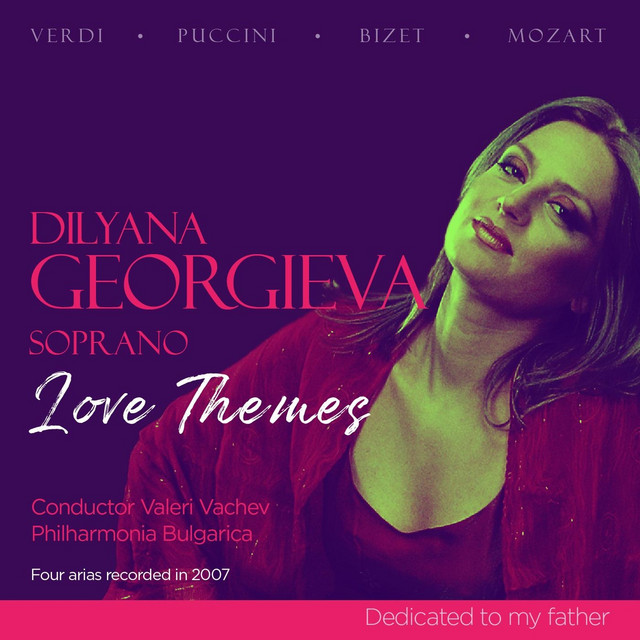
Philharmonia Bulgarica