Data may be outdated
Last updated: 9 months ago — Click refresh to get the latest statistics.
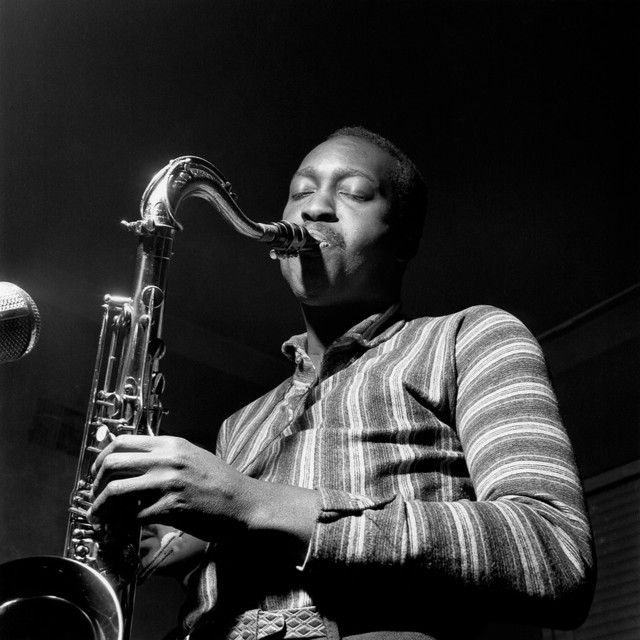
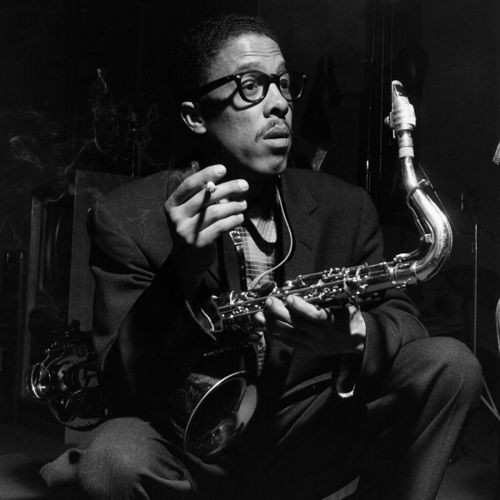
One of the all-time great tenor saxophonists, Johnny Griffin will go down in the annals of jazz as a performer easily able to negotiate the tricky harmonic changes and swift tempos of modern music. He'll also be remembered as a player who could masterfully interpret tender ballads, rivaling <a href="spotify:artist:34W7ZCX0LZeJd8q6boKGOk">Ben Webster</a> in that regard.
Born John Arnold Griffin III in Chicago, Illinois, on April 24, 1928, he resided on the South Side of the Second City with his mother, who was a singer, and father, who played cornet. An adolescent Griffin heard <a href="spotify:artist:338mC0yGyX0C9of8QMJ5hK">Gene Ammons</a> play in the big band of King Kolax. Two years later he picked up an alto saxophone, and soon thereafter was working with bluesman <a href="spotify:artist:6nPKmEbQmR8jGZEm7ArOFX">T-Bone Walker</a>. A student at DuSable High School, he was tutored by the legendary band director Captain Walter Dyett. Upon graduation, he toured with <a href="spotify:artist:2PjgZkwAEk7UTin4jP6HLP">Lionel Hampton</a>'s big band, switched to the tenor sax, and moved to New York City. The late '40s saw Griffin honking his share of R&B with Joe Morris up to 1950, Joe Morris' band in 1950, and with <a href="spotify:artist:6ui4w9G4l3CxehFTGTQtPX">Arnett Cobb</a> in 1951. He enlisted in the armed services stationed in Hawaii and played in an Army band.
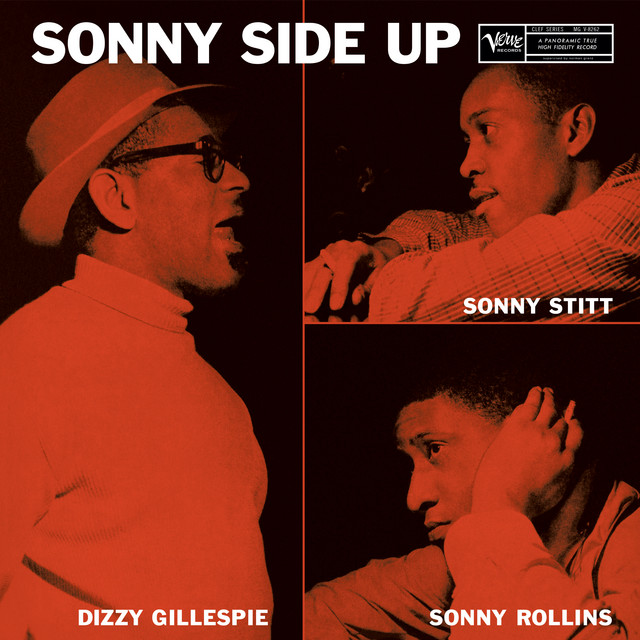
After his military commitment, he returned to Chicago and was in the company of <a href="spotify:artist:4PDpGtF16XpqvXxsrFwQnN">Thelonious Monk</a>'s various ensembles up to the mid-'60s. Griffin cut his <a href="spotify:search:label%3A%22Blue+Note%22">Blue Note</a> album Introducing Johnny Griffin in 1958, and that year formed a sextet with Detroiters <a href="spotify:artist:7fSCq6nVoFiyBqFD8fQFWR">Pepper Adams</a> and <a href="spotify:artist:3ZUZYvTkSr7kJQyAXVpqaL">Donald Byrd</a>. He collaborated with pianists <a href="spotify:artist:570vCzcespB48HIQyTbDO6">Bud Powell</a> and <a href="spotify:artist:04cRG6y8vsZNbbCqfoopz6">Elmo Hope</a>, was briefly enlisted by <a href="spotify:artist:6QQuESLtKhAOcLW2TeWC2t">Art Blakey</a> as a member of <a href="spotify:artist:6QQuESLtKhAOcLW2TeWC2t">the Jazz Messengers</a>, energized his solo recording career for the <a href="spotify:search:label%3A%22Riverside%22">Riverside</a> label, and obtained his nickname, "The Little Giant," with that eponymously titled LP in 1959. His most famous and popular collaboration was with fellow saxophonist <a href="spotify:artist:0gNn3uUyIEErdQthThI51i">Eddie "Lockjaw" Davis</a>. Griffin also recorded the legendary A Blowin' Session for the <a href="spotify:search:label%3A%22Blue+Note%22">Blue Note</a> label with <a href="spotify:artist:2hGh5VOeeqimQFxqXvfCUf">John Coltrane</a> and <a href="spotify:artist:5cbutZUQE7SUCA6MsEMbBv">Hank Mobley</a>.
Griffin grew weary of the U.S. and its apathy regarding jazz, so he became an expatriate. He was living in Paris, France, by 1963 and made many albums with European rhythm sections for the <a href="spotify:search:label%3A%22Storyville%22">Storyville</a>, <a href="spotify:search:label%3A%22Black+Lion%22">Black Lion</a>, and <a href="spotify:search:label%3A%22SteepleChase%22">SteepleChase</a> labels. He was also a charter member and chief soloist for many years in the Kenny Clarke-Francy Boland Big Band alongside American and Continental standouts. The year 1975 was an important one for Griffin, who was featured with the bands of <a href="spotify:artist:5RzjqfPS0Bu4bUMkyNNDpn">Dizzy Gillespie</a> and <a href="spotify:artist:2jFZlvIea42ZvcCw4OeEdA">Count Basie</a>, as documented in recordings of their sets at the Montreux Jazz Festival. He also collaborated with German saxophonist <a href="spotify:artist:2nwNBRZ0DZlRAQBBO0Pdym">Klaus Doldinger</a> and his fusion band <a href="spotify:artist:6e9Ex9Qjrbzae5ivbHzaG9">Passport</a>. In the late '70s, Griffin returned to the States to record for the <a href="spotify:search:label%3A%22Galaxy%22">Galaxy</a> label, and toured with fellow expatriate tenor saxophonist <a href="spotify:artist:3NUsiT2JSyaWAnWaXxDzhQ">Dexter Gordon</a>.
He left Paris for the countryside of the Netherlands to live on a farm, then headed to the Côte d'Azur in 1980, and in 1984 to rural Availles-Limouzine. In 1986 he was a member of the Paris Reunion Band with <a href="spotify:artist:0yvEf1tqWWPiZu4ZbjyKGs">Woody Shaw</a>, <a href="spotify:artist:748mYOdaWuFH4wXCvsvInR">Dizzy Reece</a>, <a href="spotify:artist:1JrZuQYlOzhNj1nvlB0Yys">Slide Hampton</a>, and <a href="spotify:artist:65uKPt40QH8dMBLuoJHPVY">Kenny Drew</a>, making one album for the <a href="spotify:search:label%3A%22Sonet%22">Sonet</a> label. During his time in France, Griffin recorded for the <a href="spotify:search:label%3A%22Antilles%22">Antilles</a> and <a href="spotify:search:label%3A%22Verve%22">Verve</a> labels, including The Cat in 1991 and Chicago, New York, Paris in 1994. Often, during the week of his birthday, Griffin made regular appearances at the Jazz Showcase back home in Chicago. In his later years he collaborated with pianist <a href="spotify:artist:1gjen19mqMk6nP6TFOh7g2">Martial Solal</a> and saxophonist <a href="spotify:artist:2vT4xpcRUnhG8CHAt2YOJO">Steve Grossman</a>. Griffin passed away at age 80 on July 25, 2008, in Mauprévoir. ~ Michael G. Nastos, Rovi
Born John Arnold Griffin III in Chicago, Illinois, on April 24, 1928, he resided on the South Side of the Second City with his mother, who was a singer, and father, who played cornet. An adolescent Griffin heard <a href="spotify:artist:338mC0yGyX0C9of8QMJ5hK">Gene Ammons</a> play in the big band of King Kolax. Two years later he picked up an alto saxophone, and soon thereafter was working with bluesman <a href="spotify:artist:6nPKmEbQmR8jGZEm7ArOFX">T-Bone Walker</a>. A student at DuSable High School, he was tutored by the legendary band director Captain Walter Dyett. Upon graduation, he toured with <a href="spotify:artist:2PjgZkwAEk7UTin4jP6HLP">Lionel Hampton</a>'s big band, switched to the tenor sax, and moved to New York City. The late '40s saw Griffin honking his share of R&B with Joe Morris up to 1950, Joe Morris' band in 1950, and with <a href="spotify:artist:6ui4w9G4l3CxehFTGTQtPX">Arnett Cobb</a> in 1951. He enlisted in the armed services stationed in Hawaii and played in an Army band.
After his military commitment, he returned to Chicago and was in the company of <a href="spotify:artist:4PDpGtF16XpqvXxsrFwQnN">Thelonious Monk</a>'s various ensembles up to the mid-'60s. Griffin cut his <a href="spotify:search:label%3A%22Blue+Note%22">Blue Note</a> album Introducing Johnny Griffin in 1958, and that year formed a sextet with Detroiters <a href="spotify:artist:7fSCq6nVoFiyBqFD8fQFWR">Pepper Adams</a> and <a href="spotify:artist:3ZUZYvTkSr7kJQyAXVpqaL">Donald Byrd</a>. He collaborated with pianists <a href="spotify:artist:570vCzcespB48HIQyTbDO6">Bud Powell</a> and <a href="spotify:artist:04cRG6y8vsZNbbCqfoopz6">Elmo Hope</a>, was briefly enlisted by <a href="spotify:artist:6QQuESLtKhAOcLW2TeWC2t">Art Blakey</a> as a member of <a href="spotify:artist:6QQuESLtKhAOcLW2TeWC2t">the Jazz Messengers</a>, energized his solo recording career for the <a href="spotify:search:label%3A%22Riverside%22">Riverside</a> label, and obtained his nickname, "The Little Giant," with that eponymously titled LP in 1959. His most famous and popular collaboration was with fellow saxophonist <a href="spotify:artist:0gNn3uUyIEErdQthThI51i">Eddie "Lockjaw" Davis</a>. Griffin also recorded the legendary A Blowin' Session for the <a href="spotify:search:label%3A%22Blue+Note%22">Blue Note</a> label with <a href="spotify:artist:2hGh5VOeeqimQFxqXvfCUf">John Coltrane</a> and <a href="spotify:artist:5cbutZUQE7SUCA6MsEMbBv">Hank Mobley</a>.
Griffin grew weary of the U.S. and its apathy regarding jazz, so he became an expatriate. He was living in Paris, France, by 1963 and made many albums with European rhythm sections for the <a href="spotify:search:label%3A%22Storyville%22">Storyville</a>, <a href="spotify:search:label%3A%22Black+Lion%22">Black Lion</a>, and <a href="spotify:search:label%3A%22SteepleChase%22">SteepleChase</a> labels. He was also a charter member and chief soloist for many years in the Kenny Clarke-Francy Boland Big Band alongside American and Continental standouts. The year 1975 was an important one for Griffin, who was featured with the bands of <a href="spotify:artist:5RzjqfPS0Bu4bUMkyNNDpn">Dizzy Gillespie</a> and <a href="spotify:artist:2jFZlvIea42ZvcCw4OeEdA">Count Basie</a>, as documented in recordings of their sets at the Montreux Jazz Festival. He also collaborated with German saxophonist <a href="spotify:artist:2nwNBRZ0DZlRAQBBO0Pdym">Klaus Doldinger</a> and his fusion band <a href="spotify:artist:6e9Ex9Qjrbzae5ivbHzaG9">Passport</a>. In the late '70s, Griffin returned to the States to record for the <a href="spotify:search:label%3A%22Galaxy%22">Galaxy</a> label, and toured with fellow expatriate tenor saxophonist <a href="spotify:artist:3NUsiT2JSyaWAnWaXxDzhQ">Dexter Gordon</a>.
He left Paris for the countryside of the Netherlands to live on a farm, then headed to the Côte d'Azur in 1980, and in 1984 to rural Availles-Limouzine. In 1986 he was a member of the Paris Reunion Band with <a href="spotify:artist:0yvEf1tqWWPiZu4ZbjyKGs">Woody Shaw</a>, <a href="spotify:artist:748mYOdaWuFH4wXCvsvInR">Dizzy Reece</a>, <a href="spotify:artist:1JrZuQYlOzhNj1nvlB0Yys">Slide Hampton</a>, and <a href="spotify:artist:65uKPt40QH8dMBLuoJHPVY">Kenny Drew</a>, making one album for the <a href="spotify:search:label%3A%22Sonet%22">Sonet</a> label. During his time in France, Griffin recorded for the <a href="spotify:search:label%3A%22Antilles%22">Antilles</a> and <a href="spotify:search:label%3A%22Verve%22">Verve</a> labels, including The Cat in 1991 and Chicago, New York, Paris in 1994. Often, during the week of his birthday, Griffin made regular appearances at the Jazz Showcase back home in Chicago. In his later years he collaborated with pianist <a href="spotify:artist:1gjen19mqMk6nP6TFOh7g2">Martial Solal</a> and saxophonist <a href="spotify:artist:2vT4xpcRUnhG8CHAt2YOJO">Steve Grossman</a>. Griffin passed away at age 80 on July 25, 2008, in Mauprévoir. ~ Michael G. Nastos, Rovi
Monthly Listeners
96,531
Monthly Listeners History
Track the evolution of monthly listeners over the last 28 days.
Followers
26,830
Followers History
Track the evolution of followers over the last 28 days.
Top Cities
1,139 listeners

1,068 listeners
1,019 listeners
950 listeners

851 listeners
Related Artists