Data may be outdated
Last updated: 8 months ago — Click refresh to get the latest statistics.
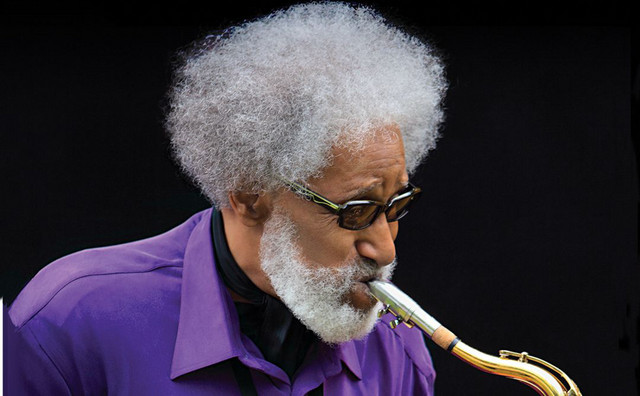
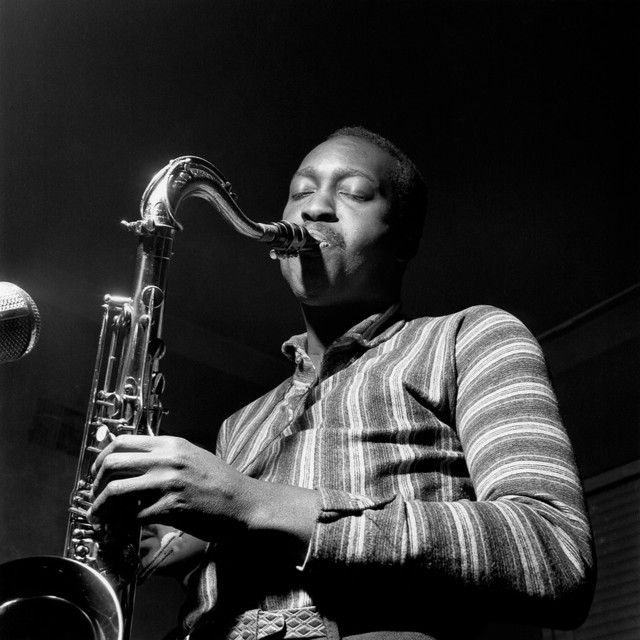
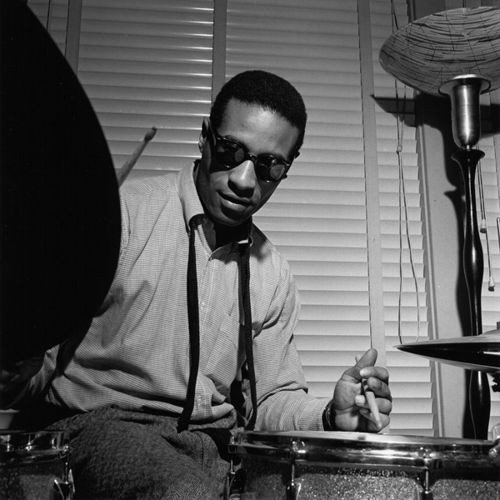
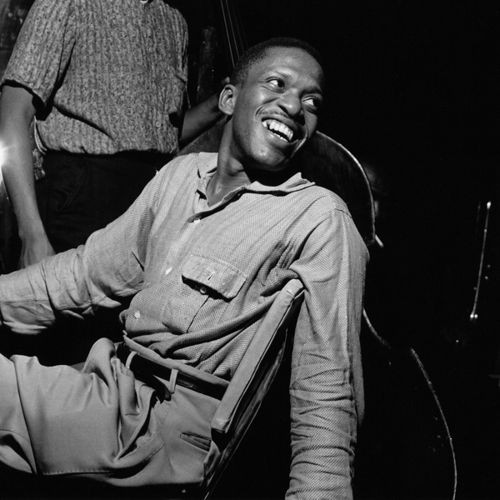
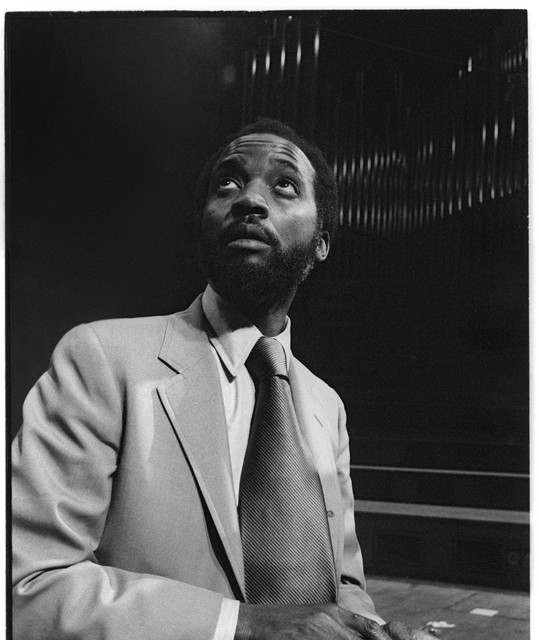
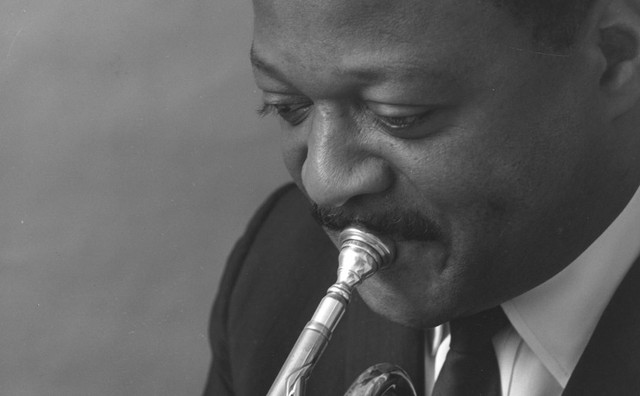
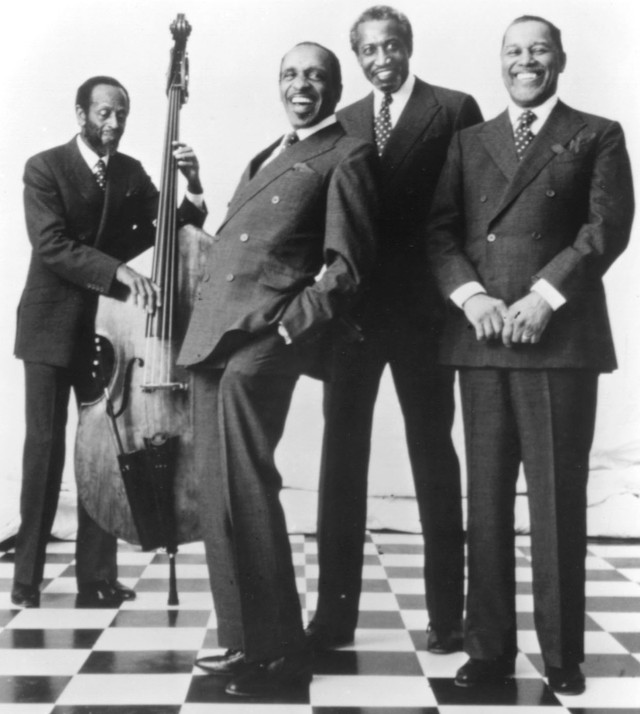
With their cool, group-oriented sound, bop-inflected improvisations, and classical chamber aesthetics, the Modern Jazz Quartet rose to prominence in the '50s, expanding the jazz paradigm and bridging the gap between smoky jazz clubs and prestigious concert halls. Led by pianist <a href="spotify:artist:7G7zZjjTwBZ9vzaoogk95s">John Lewis</a>, the MJQ initially featured vibraphonist <a href="spotify:artist:23i8EixXKG0EWGRCfHlUGN">Milt Jackson</a>, bassist <a href="spotify:artist:0SvD7DL5CQTbcrMtns1US8">Ray Brown</a>, and drummer <a href="spotify:artist:7xwlN7fhoOwNgDmRTwYZOa">Kenny Clarke</a> (joining later were <a href="spotify:artist:0vKbTTNdtagd8xiERj6Szb">Percy Heath</a> and <a href="spotify:artist:7txdgV9R0IGjkZ8R6rPake">Connie Kay</a>). One of the first of the classical-influenced chamber jazz ensembles, the quartet distinguished themselves with textured group interplay and virtuosic improvisational dexterity, skills carried over from the members' previous work with such lauded jazz innovators as <a href="spotify:artist:5RzjqfPS0Bu4bUMkyNNDpn">Dizzy Gillespie</a>, <a href="spotify:artist:4Ww5mwS7BWYjoZTUIrMHfC">Charlie Parker</a>, and <a href="spotify:artist:4PDpGtF16XpqvXxsrFwQnN">Thelonious Monk</a>. The quartet issued a number of critically acclaimed albums and spawned a handful of classic jazz standards, including their signature 1952 song "Bag's Groove" ("Bags" being <a href="spotify:artist:23i8EixXKG0EWGRCfHlUGN">Jackson</a>'s nickname), "Vendome" (originally from 1954's MJQ), and "Django" (from 1956's Django). Never straying from their high standards, they enjoyed a four-decade-plus career that found them exploring an array of settings, including collaborations with saxophonist <a href="spotify:artist:1VEzN9lxvG6KPR3QQGsebR">Sonny Rollins</a> and Brazilian guitarist <a href="spotify:artist:5PkDpzWMZR7Id1vldhF8Qk">Laurindo Almeida</a>, large ensemble recordings like 1960's The Modern Jazz Quartet and Orchestra, and forays into soul jazz and other global traditions.
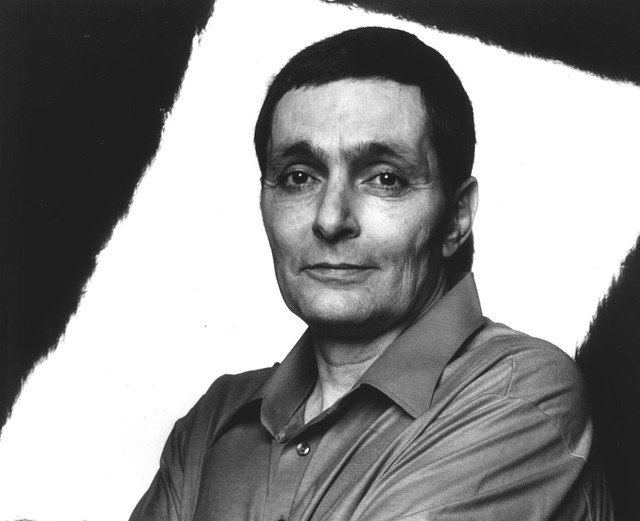
For the entirety of the Modern Jazz Quartet's career, they were led by pianist <a href="spotify:artist:7G7zZjjTwBZ9vzaoogk95s">John Lewis</a>. Hailing from La Grange, Illinois, <a href="spotify:artist:7G7zZjjTwBZ9vzaoogk95s">Lewis</a> played with a sound that combined his love of classical music, especially <a href="spotify:artist:5aIqB5nVVvmFsvSdExz408">Bach</a>, with his deep-rooted love of the blues, bebop, and swing. Highly intellectual, he double-majored in Music and Anthropology at the University of New Mexico, and later earned his master's degree from the Manhattan School of Music. He and drummer <a href="spotify:artist:7xwlN7fhoOwNgDmRTwYZOa">Kenny Clarke</a> first met in the Army in 1944 while they were stationed in France during World War II.
A Pittsburgh native, <a href="spotify:artist:7xwlN7fhoOwNgDmRTwYZOa">Clarke</a> had already distinguished himself as a gifted and innovative drummer by the time met <a href="spotify:artist:7G7zZjjTwBZ9vzaoogk95s">Lewis</a>, having played with artists like <a href="spotify:artist:4RvXA7BDgqNgGDjsSSJnPc">Roy Eldridge</a>, <a href="spotify:artist:5dlCVmfRbWVGOJYHzGyk32">Benny Carter</a>, and <a href="spotify:artist:0JM134st8VY7Ld9T2wQiH0">Coleman Hawkins</a>. He had also fully developed his distinctive style, which found him shifting the time-keeping from the bass drum to the ride cymbal, an approach that would inform much of the MJQ's sound and eventually become widely adopted within the genre at large. Following their time together in the Army, <a href="spotify:artist:7G7zZjjTwBZ9vzaoogk95s">Lewis</a> and <a href="spotify:artist:7xwlN7fhoOwNgDmRTwYZOa">Clarke</a> reconnected in New York City where <a href="spotify:artist:7xwlN7fhoOwNgDmRTwYZOa">Clarke</a> was playing with trumpeter <a href="spotify:artist:5RzjqfPS0Bu4bUMkyNNDpn">Dizzy Gillespie</a>'s Orchestra. Upon <a href="spotify:artist:7xwlN7fhoOwNgDmRTwYZOa">Clarke</a>'s recommendation, <a href="spotify:artist:7G7zZjjTwBZ9vzaoogk95s">Lewis</a> joined the ensemble, taking over for outgoing pianist <a href="spotify:artist:4PDpGtF16XpqvXxsrFwQnN">Thelonious Monk</a>.
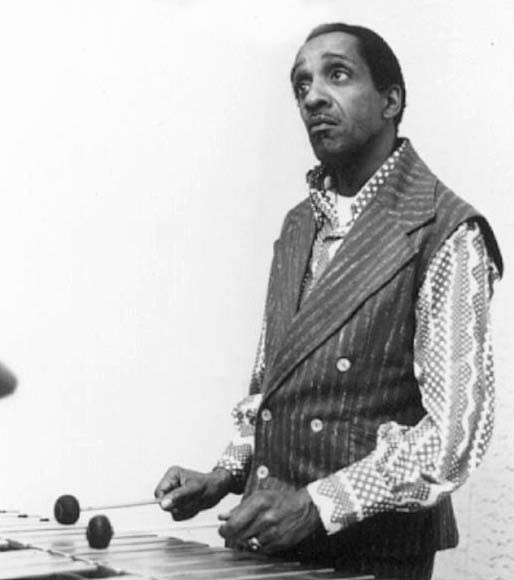
Along with <a href="spotify:artist:7xwlN7fhoOwNgDmRTwYZOa">Clarke</a> and <a href="spotify:artist:7G7zZjjTwBZ9vzaoogk95s">Lewis</a>, <a href="spotify:artist:5RzjqfPS0Bu4bUMkyNNDpn">Gillespie</a>'s rhythm section also included vibraphonist <a href="spotify:artist:23i8EixXKG0EWGRCfHlUGN">Milt Jackson</a>. Nicknamed "Bags," <a href="spotify:artist:23i8EixXKG0EWGRCfHlUGN">Jackson</a> had come up in Detroit where he started out on guitar before switching to the vibes. Discovered by <a href="spotify:artist:5RzjqfPS0Bu4bUMkyNNDpn">Gillespie</a>, he quickly built upon the work of his vibraphone predecessors <a href="spotify:artist:2PjgZkwAEk7UTin4jP6HLP">Lionel Hampton</a> and <a href="spotify:artist:6TDBjaKrCj3BvbxhiUSbog">Red Norvo</a>, displaying deft bebop improvisational skill and warm, harmonic sensitivity, both hallmarks of the MJQ sound.
Rounding out the <a href="spotify:artist:5RzjqfPS0Bu4bUMkyNNDpn">Gillespie</a> rhythm section was bassist <a href="spotify:artist:0SvD7DL5CQTbcrMtns1US8">Ray Brown</a>. Also a Pittsburgh native like <a href="spotify:artist:7xwlN7fhoOwNgDmRTwYZOa">Clarke</a>, <a href="spotify:artist:0SvD7DL5CQTbcrMtns1US8">Brown</a> played with a bevy of local and touring groups while growing up, including pianist <a href="spotify:artist:0BhFfJmScFj7OzqVaDqnSv">Hank Jones</a>. It was through his friendship with <a href="spotify:artist:0BhFfJmScFj7OzqVaDqnSv">Jones</a> that he joined <a href="spotify:artist:5RzjqfPS0Bu4bUMkyNNDpn">Gillespie</a>'s group upon his arrival in New York City in 1945, and was with the trumpeter when <a href="spotify:artist:7G7zZjjTwBZ9vzaoogk95s">Lewis</a>, <a href="spotify:artist:23i8EixXKG0EWGRCfHlUGN">Jackson</a>, and <a href="spotify:artist:7xwlN7fhoOwNgDmRTwYZOa">Clarke</a> all joined the band.
At <a href="spotify:artist:5RzjqfPS0Bu4bUMkyNNDpn">Gillespie</a>'s request, the rhythm section began playing several songs each night as a quartet between the big band's sets. Recognizing their own chemistry and potential, they began seeking out their own work. They initially billed themselves as the <a href="spotify:artist:0OkXd29wRAUpYRin6jbXMQ">Milt Jackson Quartet</a> to appease promoters looking to book a marquee name. They captured the group's sound on several early <a href="spotify:artist:23i8EixXKG0EWGRCfHlUGN">Jackson</a> sessions, including a 1951 date for <a href="spotify:artist:5RzjqfPS0Bu4bUMkyNNDpn">Gillespie</a>'s <a href="spotify:search:label%3A%22Dee+Gee+Records%22">Dee Gee Records</a> and 1951's Milt Jackson on <a href="spotify:search:label%3A%22Blue+Note%22">Blue Note</a>, which also featured saxophonist <a href="spotify:artist:063xkuRULzZu8fcoPR2rKR">Lou Donaldson</a>. Another album, Modern Jazz Quartet, arrived on <a href="spotify:search:label%3A%22Savoy%22">Savoy</a> in 1952 and found <a href="spotify:artist:0SvD7DL5CQTbcrMtns1US8">Brown</a> splitting the session with fellow bassist and <a href="spotify:artist:5RzjqfPS0Bu4bUMkyNNDpn">Gillespie</a> alum <a href="spotify:artist:0vKbTTNdtagd8xiERj6Szb">Percy Heath</a>. Around the same time, <a href="spotify:artist:0SvD7DL5CQTbcrMtns1US8">Brown</a> left the band to focus on his work with his then-wife singer <a href="spotify:artist:5V0MlUE1Bft0mbLlND7FJz">Ella Fitzgerald</a>. He eventually joined pianist <a href="spotify:artist:6zkX5fhrSD4tdVOmimR9wB">Oscar Peterson</a>'s Trio, and finished his career in Los Angeles as one of the most celebrated bassists in jazz history. He died in his sleep in 2002.
With <a href="spotify:artist:0SvD7DL5CQTbcrMtns1US8">Brown</a>'s departure, <a href="spotify:artist:5GX8UFlG4vXVXDv8KqDLvk">Jimmy Heath</a> joined the MJQ on the heels of his 1952 session with the band. Raised in Philadelphia alongside his equally talented siblings, saxophonist <a href="spotify:artist:5GX8UFlG4vXVXDv8KqDLvk">Jimmy Heath</a> and drummer <a href="spotify:artist:53yX28INJxLAZYpUbANw3K">Albert "Tootie" Heath</a>, <a href="spotify:artist:0vKbTTNdtagd8xiERj6Szb">Percy Heath</a> had studied at Philadelphia's Granoff School of Music and played with artists like <a href="spotify:artist:35iymrFS4VnsKn35ebHKX9">Red Garland</a>, <a href="spotify:artist:3z4qqrJqPWfTl9CSUNxb93">Howard McGhee</a>, <a href="spotify:artist:4Ww5mwS7BWYjoZTUIrMHfC">Charlie Parker</a>, and <a href="spotify:artist:5RzjqfPS0Bu4bUMkyNNDpn">Gillespie</a> before joining the quartet. Moving forward as a unit, the group, under <a href="spotify:artist:7G7zZjjTwBZ9vzaoogk95s">Lewis</a>' guidance, adopted a chamber music style, wearing matching tuxedos and largely eschewing small jazz clubs in favor of theaters and prestigious concert venues. The formalized aesthetic translated even more strongly to the group's music, as they began playing group arrangements influenced by <a href="spotify:artist:7G7zZjjTwBZ9vzaoogk95s">Lewis</a>' classical background. Throughout the '50s, they issued a number of highly regarded albums including a 1953 date with <a href="spotify:artist:1VEzN9lxvG6KPR3QQGsebR">Sonny Rollins</a> and 1954's MJQ, both of which found them tackling bop and swing standards, as well as originals like <a href="spotify:artist:7G7zZjjTwBZ9vzaoogk95s">Lewis</a>' "Django" and <a href="spotify:artist:23i8EixXKG0EWGRCfHlUGN">Jackson</a>'s "Bag's Groove," the latter of which soon became their anthem.
In 1955, <a href="spotify:artist:7xwlN7fhoOwNgDmRTwYZOa">Clarke</a> left the band and moved to Paris where he co-led <a href="spotify:artist:7C6sfpvSQJ9V0i4hDW9ciO">the Kenny Clarke-Francy Boland Big Band</a> until his death from a heart attack in 1985. He was replaced by drummer <a href="spotify:artist:7txdgV9R0IGjkZ8R6rPake">Connie Kay</a>. Born in Tuckahoe, New York, <a href="spotify:artist:7txdgV9R0IGjkZ8R6rPake">Kay</a> was a largely self-taught yet still deftly understated and skillful drummer, with a résumé featuring collaborations with <a href="spotify:artist:05E3NBxNMdnrPtxF9oraJm">Lester Young</a>, <a href="spotify:artist:4Ww5mwS7BWYjoZTUIrMHfC">Charlie Parker</a>, and <a href="spotify:artist:0kbYTNQb4Pb1rPbbaF0pT4">Miles Davis</a>. He made his recorded debut with the quartet on 1955's Concorde, of which the title track was one of <a href="spotify:artist:7G7zZjjTwBZ9vzaoogk95s">Lewis</a>' first fugue-influenced compositions. More albums followed including 1956's Fontessa, 1957's The Modern Jazz Quartet, and 1959's Odds Against Tomorrow.
During the '60s, the MJQ further expanded their sound, issuing a bevy of albums on <a href="spotify:search:label%3A%22Atlantic%22">Atlantic</a> including 1962's Lonely Woman, which featured their take on the <a href="spotify:artist:47odibUtrN3lnWx0p0pk2P">Ornette Coleman</a> title track. They also paired with Brazilian guitarist <a href="spotify:artist:5PkDpzWMZR7Id1vldhF8Qk">Laurindo Almeida</a> on 1964's Collaboration, issued the 1965 big-band album Jazz Dialogues, and paired with the acclaimed vocal ensemble <a href="spotify:artist:1ZlFYysRdc6YaUH5FkxPl8">The Swingle Singers</a> for 1966's Place Vendome. There were also collaborations with <a href="spotify:artist:4HirYEf3m0K7N1bP2JWcEt">Gunther Schuller</a>, singer <a href="spotify:artist:1xUs1QVa416s6LPsHRcRxx">Diahann Carroll</a>, saxophonist <a href="spotify:artist:1VEzN9lxvG6KPR3QQGsebR">Sonny Rollins</a>, and the Beaux Arts String Quartet, among others.
The group continued to tour often throughout the '70s, a period which also found them expanding their sound in reaction to the growing influence of funk, soul, and global traditions; sounds which they explored on 1971's Plastic Dreams and 1972's The Legendary Profile. However, in 1974, <a href="spotify:artist:23i8EixXKG0EWGRCfHlUGN">Milt Jackson</a> left the group, citing their constant touring and his desire to seek out other improvisational platforms. Following a tour and farewell concert at New York's Avery Fisher Hall documented on The Complete Last Concert, the group decided to call it quits.
Over the next few years, the members of the MJQ have issued their own albums and recorded as sidemen with others. In 1981, the quartet reconvened for a one-off concert released that year as Reunion at Budokan. Their chemistry was clearly intact and led to an extended reunion run. They celebrated their 30th anniversary the following year with Together Again: Live at the Montreux Jazz Festival '82, and solidified their creative partnership with 1984's studio date Echoes. More well-regarded albums followed, including 1987's Three Windows with the New York Chamber Symphony, 1988's For Ellington, and 1989's Western-themed Rose of the Rio Gande.
The group continued to perform through the early '90s, even as <a href="spotify:artist:7txdgV9R0IGjkZ8R6rPake">Connie Kay</a>'s health began to fade following a stroke. In 1993, they issued their final album MJQ & Friends: A 40th Anniversary Celebration, which found drummer <a href="spotify:artist:6zMUrKoPJzeSPf9ueaOS0j">Mickey Roker</a> sitting in for <a href="spotify:artist:7txdgV9R0IGjkZ8R6rPake">Kay</a> on several tracks. Also featured were guest appearances by <a href="spotify:artist:2FjkZT851ez950cyPjeYid">Bobby McFerrin</a>, <a href="spotify:artist:6G4hVmXKJ9NW5JecncK89f">Phil Woods</a>, <a href="spotify:artist:375zxMmh2cSgUzFFnva0O7">Wynton Marsalis</a>, <a href="spotify:artist:4rZoL92ShDgN9SLLg4OPPN">Harry "Sweets" Edison</a>, and others. Following <a href="spotify:artist:7txdgV9R0IGjkZ8R6rPake">Kay</a>'s death from a heart attack in 1994, <a href="spotify:artist:53yX28INJxLAZYpUbANw3K">Albert "Tootie" Heath</a> briefly took over the drum chair before the group discreetly parted ways for a final time. In the years following the group's end, the members stayed active touring and issuing their own albums. <a href="spotify:artist:23i8EixXKG0EWGRCfHlUGN">Milt Jackson</a> died in 1999 after a battle with liver cancer. Cancer also took both <a href="spotify:artist:7G7zZjjTwBZ9vzaoogk95s">John Lewis</a> in 2001 and <a href="spotify:artist:0vKbTTNdtagd8xiERj6Szb">Percy Heath</a> in 2005. ~ Matt Collar, Rovi
For the entirety of the Modern Jazz Quartet's career, they were led by pianist <a href="spotify:artist:7G7zZjjTwBZ9vzaoogk95s">John Lewis</a>. Hailing from La Grange, Illinois, <a href="spotify:artist:7G7zZjjTwBZ9vzaoogk95s">Lewis</a> played with a sound that combined his love of classical music, especially <a href="spotify:artist:5aIqB5nVVvmFsvSdExz408">Bach</a>, with his deep-rooted love of the blues, bebop, and swing. Highly intellectual, he double-majored in Music and Anthropology at the University of New Mexico, and later earned his master's degree from the Manhattan School of Music. He and drummer <a href="spotify:artist:7xwlN7fhoOwNgDmRTwYZOa">Kenny Clarke</a> first met in the Army in 1944 while they were stationed in France during World War II.
A Pittsburgh native, <a href="spotify:artist:7xwlN7fhoOwNgDmRTwYZOa">Clarke</a> had already distinguished himself as a gifted and innovative drummer by the time met <a href="spotify:artist:7G7zZjjTwBZ9vzaoogk95s">Lewis</a>, having played with artists like <a href="spotify:artist:4RvXA7BDgqNgGDjsSSJnPc">Roy Eldridge</a>, <a href="spotify:artist:5dlCVmfRbWVGOJYHzGyk32">Benny Carter</a>, and <a href="spotify:artist:0JM134st8VY7Ld9T2wQiH0">Coleman Hawkins</a>. He had also fully developed his distinctive style, which found him shifting the time-keeping from the bass drum to the ride cymbal, an approach that would inform much of the MJQ's sound and eventually become widely adopted within the genre at large. Following their time together in the Army, <a href="spotify:artist:7G7zZjjTwBZ9vzaoogk95s">Lewis</a> and <a href="spotify:artist:7xwlN7fhoOwNgDmRTwYZOa">Clarke</a> reconnected in New York City where <a href="spotify:artist:7xwlN7fhoOwNgDmRTwYZOa">Clarke</a> was playing with trumpeter <a href="spotify:artist:5RzjqfPS0Bu4bUMkyNNDpn">Dizzy Gillespie</a>'s Orchestra. Upon <a href="spotify:artist:7xwlN7fhoOwNgDmRTwYZOa">Clarke</a>'s recommendation, <a href="spotify:artist:7G7zZjjTwBZ9vzaoogk95s">Lewis</a> joined the ensemble, taking over for outgoing pianist <a href="spotify:artist:4PDpGtF16XpqvXxsrFwQnN">Thelonious Monk</a>.
Along with <a href="spotify:artist:7xwlN7fhoOwNgDmRTwYZOa">Clarke</a> and <a href="spotify:artist:7G7zZjjTwBZ9vzaoogk95s">Lewis</a>, <a href="spotify:artist:5RzjqfPS0Bu4bUMkyNNDpn">Gillespie</a>'s rhythm section also included vibraphonist <a href="spotify:artist:23i8EixXKG0EWGRCfHlUGN">Milt Jackson</a>. Nicknamed "Bags," <a href="spotify:artist:23i8EixXKG0EWGRCfHlUGN">Jackson</a> had come up in Detroit where he started out on guitar before switching to the vibes. Discovered by <a href="spotify:artist:5RzjqfPS0Bu4bUMkyNNDpn">Gillespie</a>, he quickly built upon the work of his vibraphone predecessors <a href="spotify:artist:2PjgZkwAEk7UTin4jP6HLP">Lionel Hampton</a> and <a href="spotify:artist:6TDBjaKrCj3BvbxhiUSbog">Red Norvo</a>, displaying deft bebop improvisational skill and warm, harmonic sensitivity, both hallmarks of the MJQ sound.
Rounding out the <a href="spotify:artist:5RzjqfPS0Bu4bUMkyNNDpn">Gillespie</a> rhythm section was bassist <a href="spotify:artist:0SvD7DL5CQTbcrMtns1US8">Ray Brown</a>. Also a Pittsburgh native like <a href="spotify:artist:7xwlN7fhoOwNgDmRTwYZOa">Clarke</a>, <a href="spotify:artist:0SvD7DL5CQTbcrMtns1US8">Brown</a> played with a bevy of local and touring groups while growing up, including pianist <a href="spotify:artist:0BhFfJmScFj7OzqVaDqnSv">Hank Jones</a>. It was through his friendship with <a href="spotify:artist:0BhFfJmScFj7OzqVaDqnSv">Jones</a> that he joined <a href="spotify:artist:5RzjqfPS0Bu4bUMkyNNDpn">Gillespie</a>'s group upon his arrival in New York City in 1945, and was with the trumpeter when <a href="spotify:artist:7G7zZjjTwBZ9vzaoogk95s">Lewis</a>, <a href="spotify:artist:23i8EixXKG0EWGRCfHlUGN">Jackson</a>, and <a href="spotify:artist:7xwlN7fhoOwNgDmRTwYZOa">Clarke</a> all joined the band.
At <a href="spotify:artist:5RzjqfPS0Bu4bUMkyNNDpn">Gillespie</a>'s request, the rhythm section began playing several songs each night as a quartet between the big band's sets. Recognizing their own chemistry and potential, they began seeking out their own work. They initially billed themselves as the <a href="spotify:artist:0OkXd29wRAUpYRin6jbXMQ">Milt Jackson Quartet</a> to appease promoters looking to book a marquee name. They captured the group's sound on several early <a href="spotify:artist:23i8EixXKG0EWGRCfHlUGN">Jackson</a> sessions, including a 1951 date for <a href="spotify:artist:5RzjqfPS0Bu4bUMkyNNDpn">Gillespie</a>'s <a href="spotify:search:label%3A%22Dee+Gee+Records%22">Dee Gee Records</a> and 1951's Milt Jackson on <a href="spotify:search:label%3A%22Blue+Note%22">Blue Note</a>, which also featured saxophonist <a href="spotify:artist:063xkuRULzZu8fcoPR2rKR">Lou Donaldson</a>. Another album, Modern Jazz Quartet, arrived on <a href="spotify:search:label%3A%22Savoy%22">Savoy</a> in 1952 and found <a href="spotify:artist:0SvD7DL5CQTbcrMtns1US8">Brown</a> splitting the session with fellow bassist and <a href="spotify:artist:5RzjqfPS0Bu4bUMkyNNDpn">Gillespie</a> alum <a href="spotify:artist:0vKbTTNdtagd8xiERj6Szb">Percy Heath</a>. Around the same time, <a href="spotify:artist:0SvD7DL5CQTbcrMtns1US8">Brown</a> left the band to focus on his work with his then-wife singer <a href="spotify:artist:5V0MlUE1Bft0mbLlND7FJz">Ella Fitzgerald</a>. He eventually joined pianist <a href="spotify:artist:6zkX5fhrSD4tdVOmimR9wB">Oscar Peterson</a>'s Trio, and finished his career in Los Angeles as one of the most celebrated bassists in jazz history. He died in his sleep in 2002.
With <a href="spotify:artist:0SvD7DL5CQTbcrMtns1US8">Brown</a>'s departure, <a href="spotify:artist:5GX8UFlG4vXVXDv8KqDLvk">Jimmy Heath</a> joined the MJQ on the heels of his 1952 session with the band. Raised in Philadelphia alongside his equally talented siblings, saxophonist <a href="spotify:artist:5GX8UFlG4vXVXDv8KqDLvk">Jimmy Heath</a> and drummer <a href="spotify:artist:53yX28INJxLAZYpUbANw3K">Albert "Tootie" Heath</a>, <a href="spotify:artist:0vKbTTNdtagd8xiERj6Szb">Percy Heath</a> had studied at Philadelphia's Granoff School of Music and played with artists like <a href="spotify:artist:35iymrFS4VnsKn35ebHKX9">Red Garland</a>, <a href="spotify:artist:3z4qqrJqPWfTl9CSUNxb93">Howard McGhee</a>, <a href="spotify:artist:4Ww5mwS7BWYjoZTUIrMHfC">Charlie Parker</a>, and <a href="spotify:artist:5RzjqfPS0Bu4bUMkyNNDpn">Gillespie</a> before joining the quartet. Moving forward as a unit, the group, under <a href="spotify:artist:7G7zZjjTwBZ9vzaoogk95s">Lewis</a>' guidance, adopted a chamber music style, wearing matching tuxedos and largely eschewing small jazz clubs in favor of theaters and prestigious concert venues. The formalized aesthetic translated even more strongly to the group's music, as they began playing group arrangements influenced by <a href="spotify:artist:7G7zZjjTwBZ9vzaoogk95s">Lewis</a>' classical background. Throughout the '50s, they issued a number of highly regarded albums including a 1953 date with <a href="spotify:artist:1VEzN9lxvG6KPR3QQGsebR">Sonny Rollins</a> and 1954's MJQ, both of which found them tackling bop and swing standards, as well as originals like <a href="spotify:artist:7G7zZjjTwBZ9vzaoogk95s">Lewis</a>' "Django" and <a href="spotify:artist:23i8EixXKG0EWGRCfHlUGN">Jackson</a>'s "Bag's Groove," the latter of which soon became their anthem.
In 1955, <a href="spotify:artist:7xwlN7fhoOwNgDmRTwYZOa">Clarke</a> left the band and moved to Paris where he co-led <a href="spotify:artist:7C6sfpvSQJ9V0i4hDW9ciO">the Kenny Clarke-Francy Boland Big Band</a> until his death from a heart attack in 1985. He was replaced by drummer <a href="spotify:artist:7txdgV9R0IGjkZ8R6rPake">Connie Kay</a>. Born in Tuckahoe, New York, <a href="spotify:artist:7txdgV9R0IGjkZ8R6rPake">Kay</a> was a largely self-taught yet still deftly understated and skillful drummer, with a résumé featuring collaborations with <a href="spotify:artist:05E3NBxNMdnrPtxF9oraJm">Lester Young</a>, <a href="spotify:artist:4Ww5mwS7BWYjoZTUIrMHfC">Charlie Parker</a>, and <a href="spotify:artist:0kbYTNQb4Pb1rPbbaF0pT4">Miles Davis</a>. He made his recorded debut with the quartet on 1955's Concorde, of which the title track was one of <a href="spotify:artist:7G7zZjjTwBZ9vzaoogk95s">Lewis</a>' first fugue-influenced compositions. More albums followed including 1956's Fontessa, 1957's The Modern Jazz Quartet, and 1959's Odds Against Tomorrow.
During the '60s, the MJQ further expanded their sound, issuing a bevy of albums on <a href="spotify:search:label%3A%22Atlantic%22">Atlantic</a> including 1962's Lonely Woman, which featured their take on the <a href="spotify:artist:47odibUtrN3lnWx0p0pk2P">Ornette Coleman</a> title track. They also paired with Brazilian guitarist <a href="spotify:artist:5PkDpzWMZR7Id1vldhF8Qk">Laurindo Almeida</a> on 1964's Collaboration, issued the 1965 big-band album Jazz Dialogues, and paired with the acclaimed vocal ensemble <a href="spotify:artist:1ZlFYysRdc6YaUH5FkxPl8">The Swingle Singers</a> for 1966's Place Vendome. There were also collaborations with <a href="spotify:artist:4HirYEf3m0K7N1bP2JWcEt">Gunther Schuller</a>, singer <a href="spotify:artist:1xUs1QVa416s6LPsHRcRxx">Diahann Carroll</a>, saxophonist <a href="spotify:artist:1VEzN9lxvG6KPR3QQGsebR">Sonny Rollins</a>, and the Beaux Arts String Quartet, among others.
The group continued to tour often throughout the '70s, a period which also found them expanding their sound in reaction to the growing influence of funk, soul, and global traditions; sounds which they explored on 1971's Plastic Dreams and 1972's The Legendary Profile. However, in 1974, <a href="spotify:artist:23i8EixXKG0EWGRCfHlUGN">Milt Jackson</a> left the group, citing their constant touring and his desire to seek out other improvisational platforms. Following a tour and farewell concert at New York's Avery Fisher Hall documented on The Complete Last Concert, the group decided to call it quits.
Over the next few years, the members of the MJQ have issued their own albums and recorded as sidemen with others. In 1981, the quartet reconvened for a one-off concert released that year as Reunion at Budokan. Their chemistry was clearly intact and led to an extended reunion run. They celebrated their 30th anniversary the following year with Together Again: Live at the Montreux Jazz Festival '82, and solidified their creative partnership with 1984's studio date Echoes. More well-regarded albums followed, including 1987's Three Windows with the New York Chamber Symphony, 1988's For Ellington, and 1989's Western-themed Rose of the Rio Gande.
The group continued to perform through the early '90s, even as <a href="spotify:artist:7txdgV9R0IGjkZ8R6rPake">Connie Kay</a>'s health began to fade following a stroke. In 1993, they issued their final album MJQ & Friends: A 40th Anniversary Celebration, which found drummer <a href="spotify:artist:6zMUrKoPJzeSPf9ueaOS0j">Mickey Roker</a> sitting in for <a href="spotify:artist:7txdgV9R0IGjkZ8R6rPake">Kay</a> on several tracks. Also featured were guest appearances by <a href="spotify:artist:2FjkZT851ez950cyPjeYid">Bobby McFerrin</a>, <a href="spotify:artist:6G4hVmXKJ9NW5JecncK89f">Phil Woods</a>, <a href="spotify:artist:375zxMmh2cSgUzFFnva0O7">Wynton Marsalis</a>, <a href="spotify:artist:4rZoL92ShDgN9SLLg4OPPN">Harry "Sweets" Edison</a>, and others. Following <a href="spotify:artist:7txdgV9R0IGjkZ8R6rPake">Kay</a>'s death from a heart attack in 1994, <a href="spotify:artist:53yX28INJxLAZYpUbANw3K">Albert "Tootie" Heath</a> briefly took over the drum chair before the group discreetly parted ways for a final time. In the years following the group's end, the members stayed active touring and issuing their own albums. <a href="spotify:artist:23i8EixXKG0EWGRCfHlUGN">Milt Jackson</a> died in 1999 after a battle with liver cancer. Cancer also took both <a href="spotify:artist:7G7zZjjTwBZ9vzaoogk95s">John Lewis</a> in 2001 and <a href="spotify:artist:0vKbTTNdtagd8xiERj6Szb">Percy Heath</a> in 2005. ~ Matt Collar, Rovi
Monthly Listeners
346,220
Monthly Listeners History
Track the evolution of monthly listeners over the last 28 days.
Followers
124,734
Followers History
Track the evolution of followers over the last 28 days.
Top Cities
5,309 listeners

3,709 listeners
3,666 listeners
3,121 listeners
3,012 listeners