Data may be outdated
Last updated: 8 months ago — Click refresh to get the latest statistics.
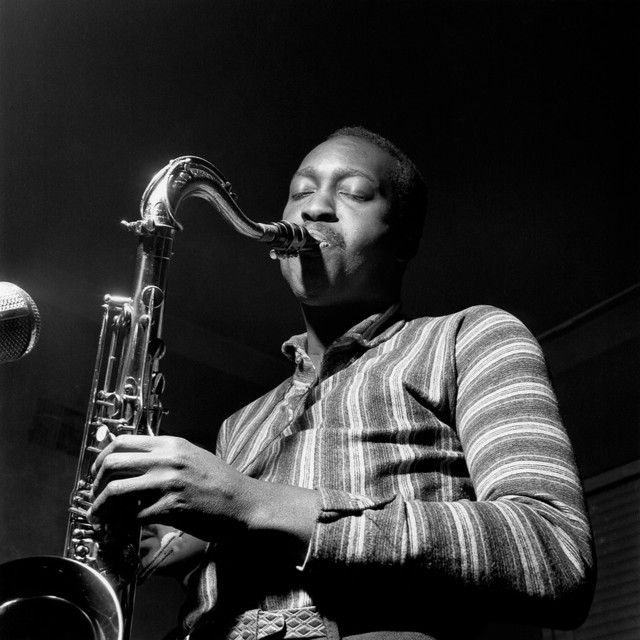
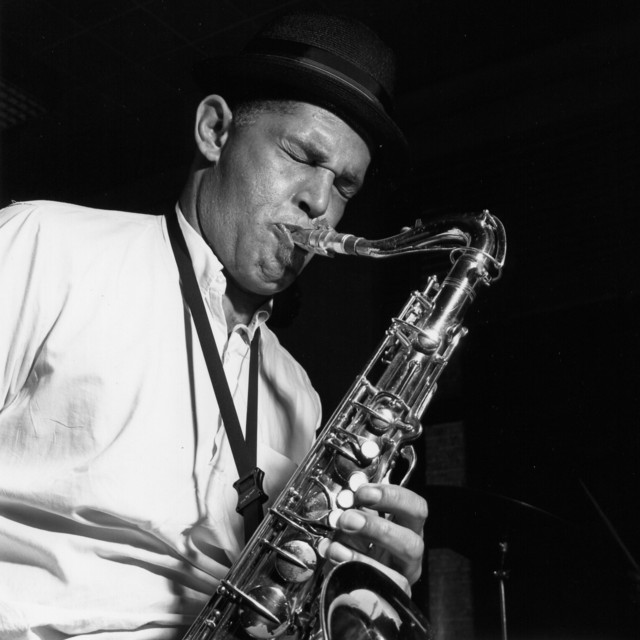
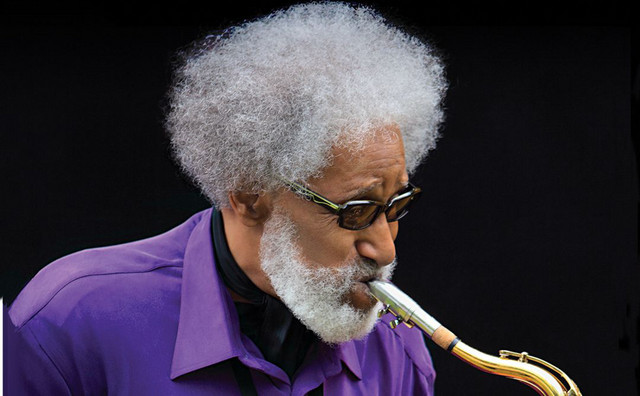
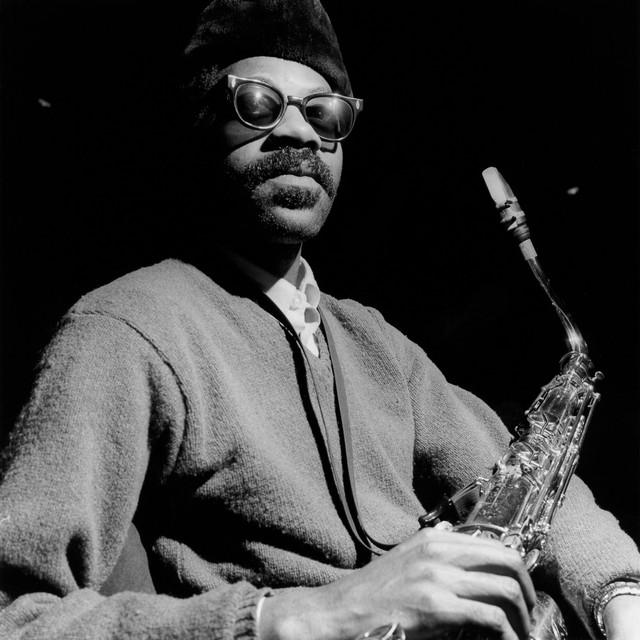
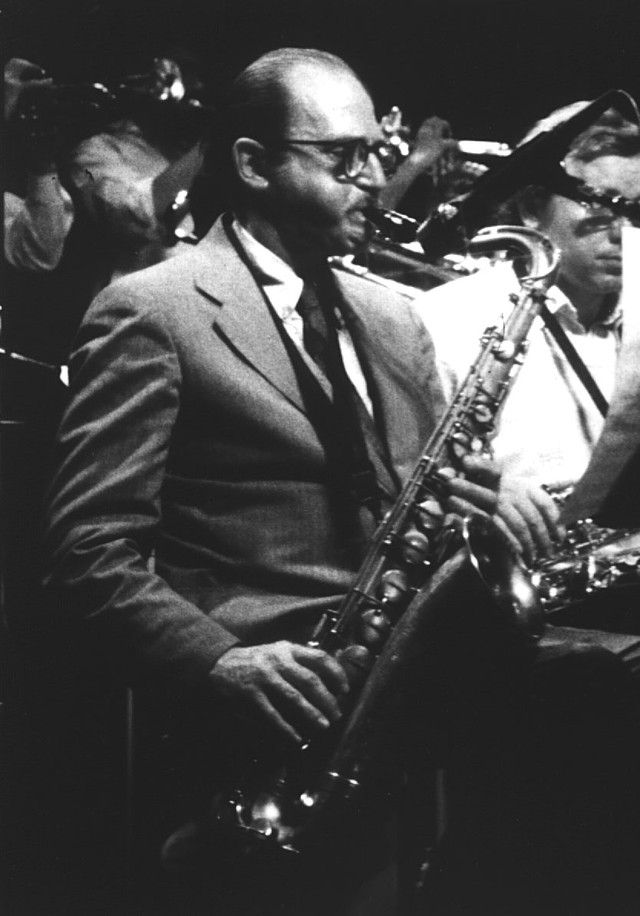
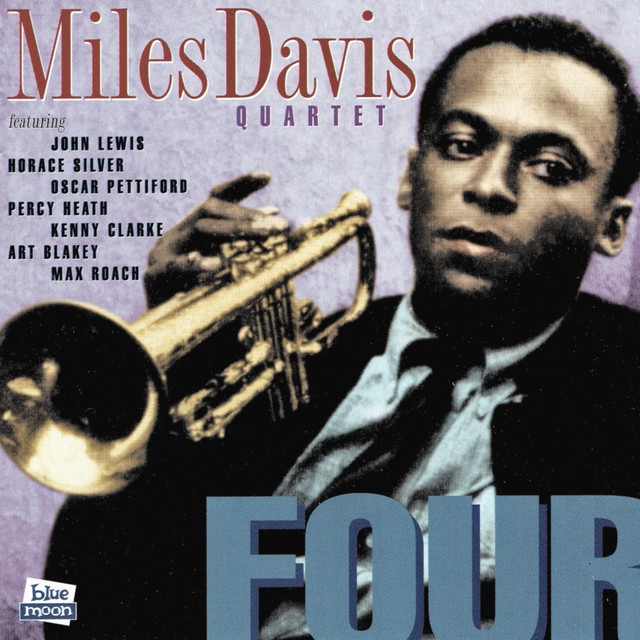
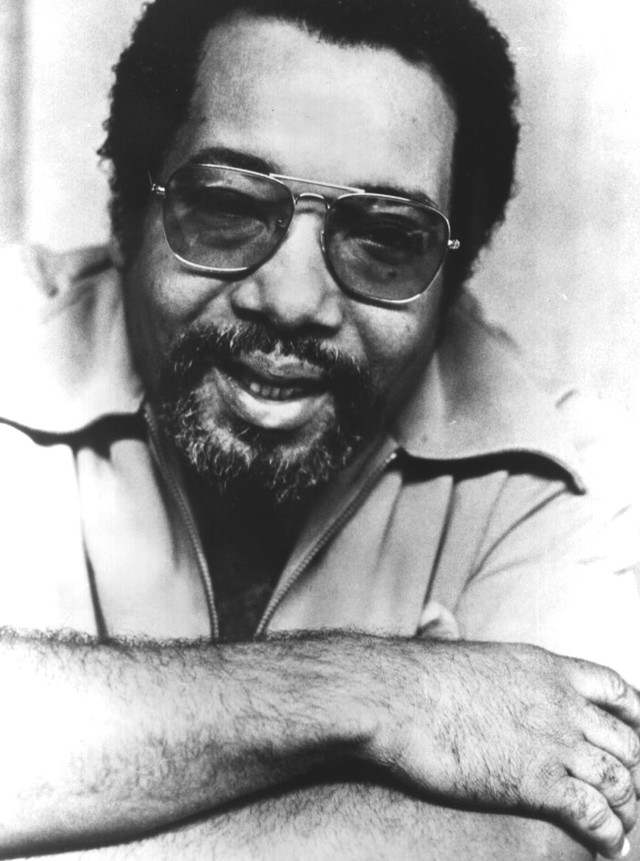
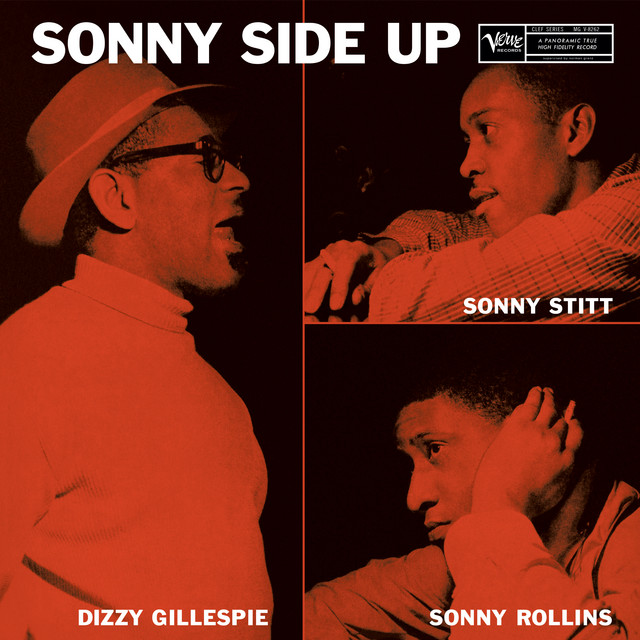
<a href="spotify:artist:4Ww5mwS7BWYjoZTUIrMHfC">Charlie Parker</a> has had many admirers and his influence can be detected in numerous styles, but few have been as avid a disciple as Sonny Stitt. There was almost note-for-note imitation in several early Stitt solos, and the closeness remained until Stitt began de-emphasizing the alto in favor of the tenor, on which he artfully combined the influences of <a href="spotify:artist:4Ww5mwS7BWYjoZTUIrMHfC">Parker</a> and <a href="spotify:artist:05E3NBxNMdnrPtxF9oraJm">Lester Young</a>. Stitt gradually developed his own sound and style, though he was never far from <a href="spotify:artist:4Ww5mwS7BWYjoZTUIrMHfC">Parker</a> on any alto solo. A wonderful blues and ballad player whose approach influenced <a href="spotify:artist:2hGh5VOeeqimQFxqXvfCUf">John Coltrane</a>, Stitt could rip through an up-tempo bebop stanza, then turn around and play a shivering, captivating ballad. He was an alto saxophonist in <a href="spotify:artist:70sHURBVOq2rwWkmBpDxYa">Tiny Bradshaw</a>'s band during the early '40s, then joined <a href="spotify:artist:6htazaFMy8zs0f3sMtM2Pt">Billy Eckstine</a>'s seminal big band in 1945, playing alongside other emerging bebop stars like <a href="spotify:artist:338mC0yGyX0C9of8QMJ5hK">Gene Ammons</a> and <a href="spotify:artist:3NUsiT2JSyaWAnWaXxDzhQ">Dexter Gordon</a>. Stitt later played in <a href="spotify:artist:5RzjqfPS0Bu4bUMkyNNDpn">Dizzy Gillespie</a>'s big band and sextet. He began on tenor and baritone in 1949, and at times was in a two-tenor unit with <a href="spotify:artist:338mC0yGyX0C9of8QMJ5hK">Ammons</a>. He recorded with <a href="spotify:artist:570vCzcespB48HIQyTbDO6">Bud Powell</a> and <a href="spotify:artist:3hZ5sdhYTvgrmXIwtVwqmS">J.J. Johnson</a> for Prestige in 1949, then did several albums on Prestige, Argo, and Verve in the '50s and '60s. Stitt led many combos in the '50s, and re-joined <a href="spotify:artist:5RzjqfPS0Bu4bUMkyNNDpn">Gillespie</a> for a short period in the late '50s. After a brief stint with <a href="spotify:artist:0kbYTNQb4Pb1rPbbaF0pT4">Miles Davis</a> in 1960, he reunited with <a href="spotify:artist:338mC0yGyX0C9of8QMJ5hK">Ammons</a> and for a while was in a three-tenor lineup with <a href="spotify:artist:4aEpM8RuVFDhH7ry8TUn4M">James Moody</a>. During the '60s, Stitt also recorded for Atlantic, cutting the transcendent Stitt Plays Bird, which finally addressed the <a href="spotify:artist:4Ww5mwS7BWYjoZTUIrMHfC">Parker</a> question in epic fashion. He continued heading bands, though he joined the Giants of Jazz in the early '70s. This group included <a href="spotify:artist:5RzjqfPS0Bu4bUMkyNNDpn">Gillespie</a>, <a href="spotify:artist:6QQuESLtKhAOcLW2TeWC2t">Art Blakey</a>, <a href="spotify:artist:1kYYk4lJ7ZWbyy3zDYOl6h">Kai Winding</a>, <a href="spotify:artist:4PDpGtF16XpqvXxsrFwQnN">Thelonious Monk</a>, and <a href="spotify:artist:5SeP4LY3IETDelJgMu6dOO">Al McKibbon</a>. Stitt did more sessions in the '70s for Cobblestone, Muse, and others, among them another definitive date, Tune Up. He continued playing and recording in the early '80s, recording for Muse, Sonet, and Who's Who in Jazz. He suffered a heart attack and died in 1982. ~ Ron Wynn and Bob Porter, Rovi
Monthly Listeners
246,324
Monthly Listeners History
Track the evolution of monthly listeners over the last 28 days.
Followers
67,122
Followers History
Track the evolution of followers over the last 28 days.
Top Cities
3,516 listeners

2,768 listeners
2,429 listeners
2,337 listeners

2,149 listeners

Related Artists