Artist
Lighter Shade Of Brown
Data may be outdated
Last updated: 9 months ago — Click refresh to get the latest statistics.
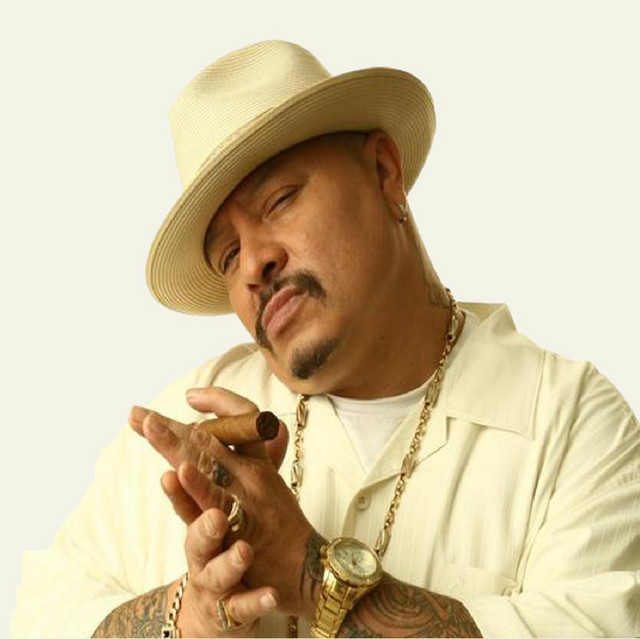
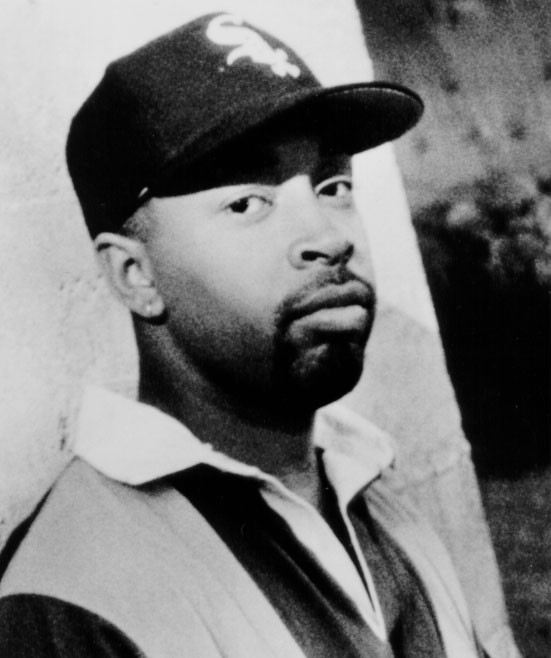
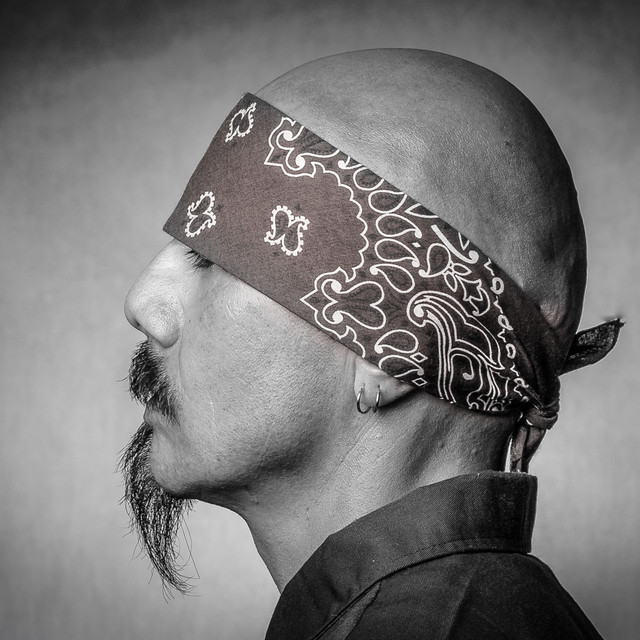
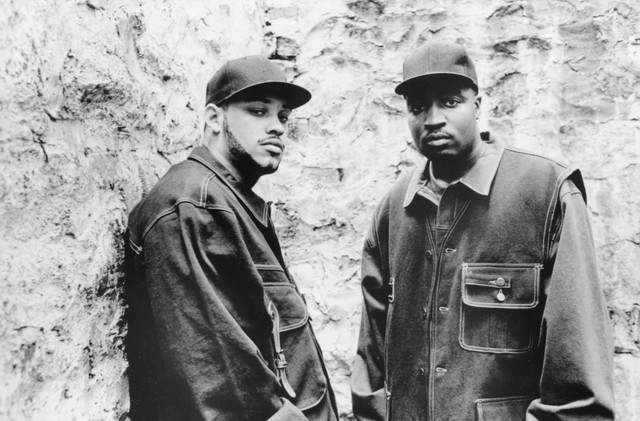
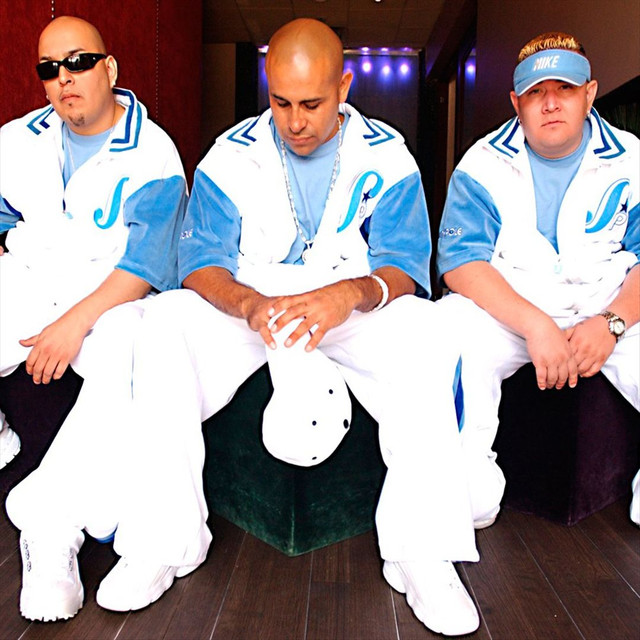
Part of the early-'90s explosion of Latin rap, Lighter Shade of Brown (LSOB) was formed in Riverside, CA, in 1990, when the teenage <a href="spotify:artist:10lRezWihfZkkaUsPpU32Z">ODM</a> (One Dope Mexican, born Robert Gutierrez) was introduced to <a href="spotify:artist:1iZKQiBqj5pk8EqIVRo9f6">DTTX</a> (Don't Try to Xerox, born Bobby Ramirez). The duo began cutting demos and secured a record deal within the year; they debuted with 1990's Brown and Proud for Quality Records hip-hop subsidiary Pump. Though they didn't break out on the level of <a href="spotify:artist:4P0dddbxPil35MNN9G2MEX">Cypress Hill</a>, the group garnered some positive reviews and established themselves as one of the better Latin rap outfits around. The follow-up, Hip Hop Locos, was released in 1992, and helped LSOB land a major-label shot with Mercury, where they contributed to the soundtracks of the Latino-oriented films Mi Vida Loca and I Like It Like That. 1994's full-length Layin' in the Cut proved disappointing, however, and the disillusioned partners took a temporary break from the music business. They returned in 1997 on Oakland's much smaller Thump Records (in partnership with the Greenside label), issuing a self-titled album with guests including <a href="spotify:artist:4tzxCsdhR0IIUNyzwrag4C">Rappin' 4-Tay</a> and <a href="spotify:artist:7vWlb4pM85jCHvV771qZZW">Tony! Toni! Toné!</a>'s Dwayne Wiggins. Thump released a greatest-hits collection in 1999, and their fifth album, If You Could See Inside Me, followed, producing a minor hit single in "Sunny Day." In late 1999, Gutierrez became a radio DJ in the Los Angeles area. ~ Steve Huey, Rovi
Monthly Listeners
200,843
Monthly Listeners History
Track the evolution of monthly listeners over the last 28 days.
Followers
84,897
Followers History
Track the evolution of followers over the last 28 days.
Top Cities
16,412 listeners

8,618 listeners
6,316 listeners
5,640 listeners
4,898 listeners