Data may be outdated
Last updated: 1 month ago — Click refresh to get the latest statistics.
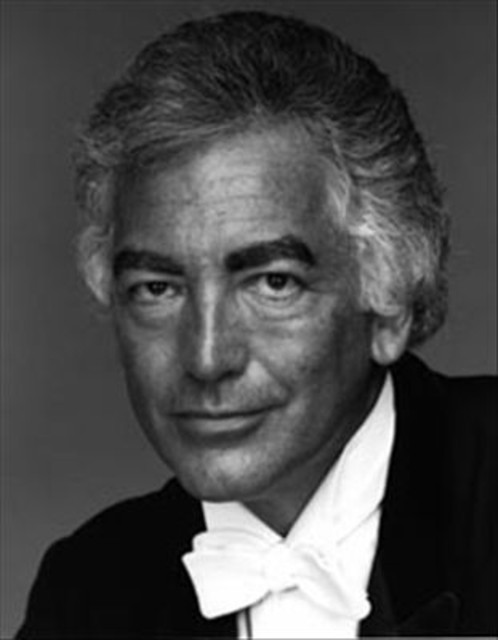
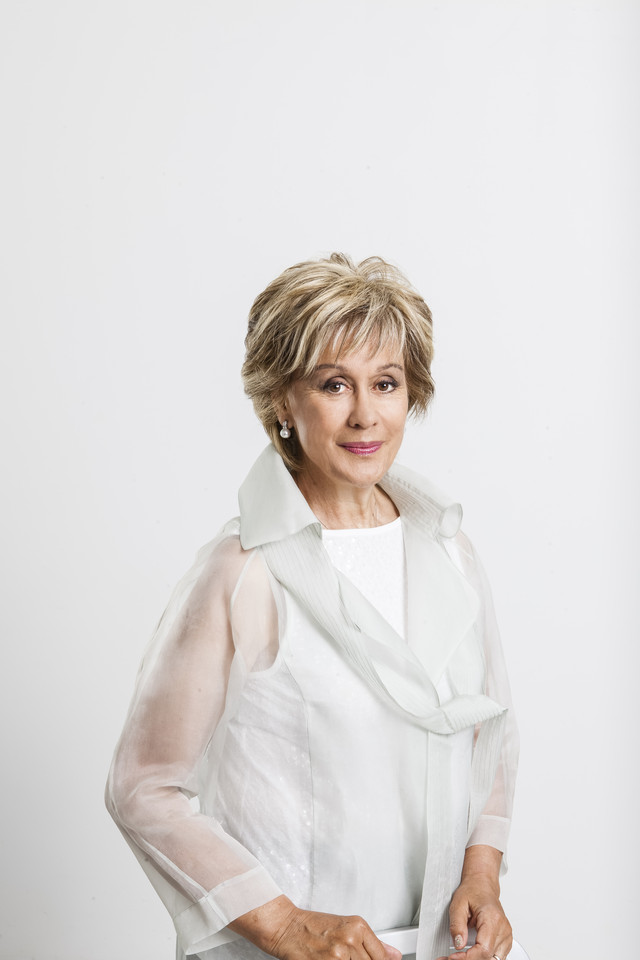
Bonynge was born on September 29, 1930, in Epping, a suburb of Sydney, Australia. He began his studies at the New South Wales Conservatorium in Sydney as a piano student of Lindley Evans. At 14, Bonynge performed the <a href="spotify:artist:5ihY290YPGc3aY2xTyx7Gy">Grieg</a> Piano Concerto in A minor, an impressive beginning to an even more magical career. He later continued his studies at the Royal College of Music in London with pianist Herbert Fryer. This institution frowned upon his desire to add conducting to his course load as, effectively, a second major area of study. Consequently, Bonynge forfeited his scholarship and continued his education privately. Also, having developed a serious interest in vocal technique, Bonynge began serving as accompanist to soprano <a href="spotify:artist:57ut70dPEUxC1dk83YY3hY">Joan Sutherland</a>. This relationship led to the couple's marriage in 1954, perhaps the most remarkable such professional union to date. It was at this point that the young musician transferred his attention to the research of the bel canto operatic repertoire.
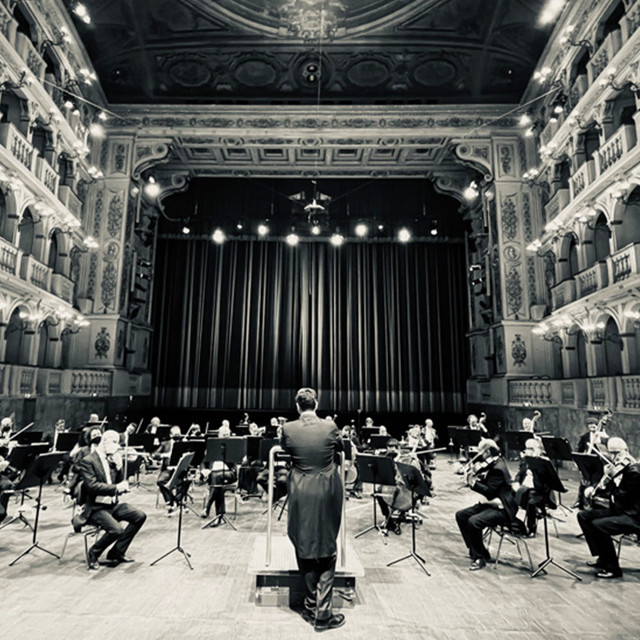
His 1962 conducting debut was sudden: the conductor of the <a href="spotify:artist:2Mi20SSCqDqjMRsJXHD72f">Saint Cecilia Orchestra</a> in Rome canceled due to illness, and his replacement was struck by an automobile, leaving only Bonynge to take the podium. He began, still without formal training, to conduct <a href="spotify:artist:57ut70dPEUxC1dk83YY3hY">Sutherland</a>'s performances, beginning with <a href="spotify:artist:42Vmza0WYHdhsgxFmf9Tui">Gounod</a>'s Faust in Vancouver and <a href="spotify:artist:6AphpMkKDU4I3Z6XaGu1UV">Bellini</a>'s La Sonnambula in San Francisco, both in 1963. After his Covent Garden debut in 1964 with <a href="spotify:artist:6AphpMkKDU4I3Z6XaGu1UV">Bellini</a>'s I Puritani, Bonynge and his wife returned to Australia the next year, where he assumed the position of music director of the Sutherland-Williamson International Grand Opera Company. In 1966, Bonynge had his <a href="spotify:artist:14AbeD1op5phNiIVzzRVWr">Metropolitan Opera</a> debut with <a href="spotify:artist:57ut70dPEUxC1dk83YY3hY">Sutherland</a> performing the title role in <a href="spotify:artist:2jCGEMSZXMSOImpD8sqo56">Donizetti</a>'s Lucia di Lammermoor. As his reputation and career blossomed, the conductor enjoyed continued success when he was named artistic director of the Vancouver Opera, a position he held from 1974-1978. Concurrently, Bonynge acted as the music director of the Australian Opera from 1975-1986. In 1977, he was awarded the Commander of the British Empire. He was given the same honor in 1983 in his native Australia, and the French government gave him the rank of Commandeur de l'Ordre National de Mérite in 1989.
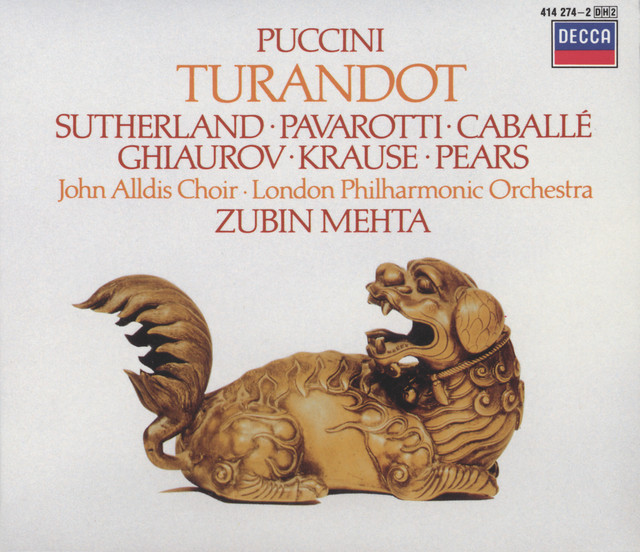
Bonynge advocated a revival of the bel canto ornamentation that had been customary during the late 18th and early 19th centuries. This period was dear to Bonynge, who has carefully studied the operas of <a href="spotify:artist:6AphpMkKDU4I3Z6XaGu1UV">Bellini</a> and <a href="spotify:artist:1AoIc5YFH0aSFc4mKqBEeB">Massenet</a>, as well as French and Italian opera of the period, composing cadenzas used by many singers. One of the world's premier opera conductors, Bonynge has directed the masterpieces of the genre at the leading opera houses worldwide. His list of recorded operas is no less impressive and includes many works (including several 19th century ballet scores) previously not familiar to opera connoisseurs, such as those by <a href="spotify:artist:1M9AXZkNPdOd1IPEsQsXnT">Delibes</a>, <a href="spotify:artist:4RCCipjKTeizg2kHWlIHvG">Graun</a>, and <a href="spotify:artist:1AoIc5YFH0aSFc4mKqBEeB">Massenet</a>. Many of these recordings feature <a href="spotify:artist:57ut70dPEUxC1dk83YY3hY">Sutherland</a>.
At <a href="spotify:artist:57ut70dPEUxC1dk83YY3hY">Sutherland</a>'s final performances, Bonynge conducted in front of audiences in the U.S, Great Britain, and Australia. After she had left the stage for the last time, Bonynge continued his acclaimed career without pause. He remains one of opera's most significant figures and is an important supporter of Australian singers and of the young artists' program at the Australian Opera, established during his tenure as music director. With unquestionable devotion, Bonynge gives his full attention to the world of opera. He has said "I did not choose music, music chose me." One might observe, then, that opera chose a tireless and devoted champion.
Monthly Listeners
860,871
Monthly Listeners History
Track the evolution of monthly listeners over the last 28 days.
Followers
6,513
Followers History
Track the evolution of followers over the last 28 days.
Total Streams
801.5 million
Total Streams History
Track the evolution of total streams over the last 28 days. This data is calculated from all tracks listed in the artist's discography.
Top Cities



Related Artists











![Bellini: Norma (Excerpts) [Live] [Remastered 2022]](https://i.scdn.co/image/ab67616d00001e02fc073df866fabda05e55a8cc)