Data may be outdated
Last updated: 9 months ago — Click refresh to get the latest statistics.
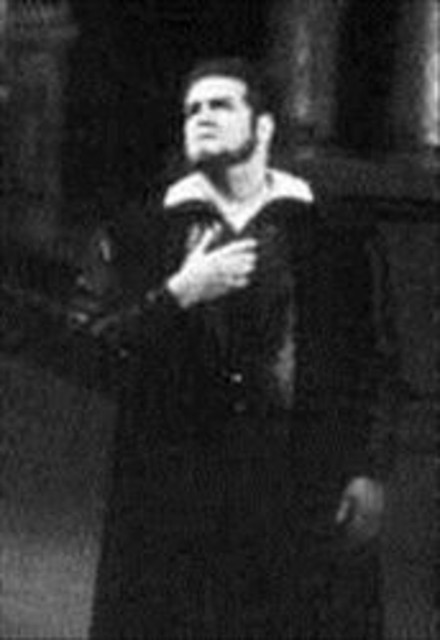
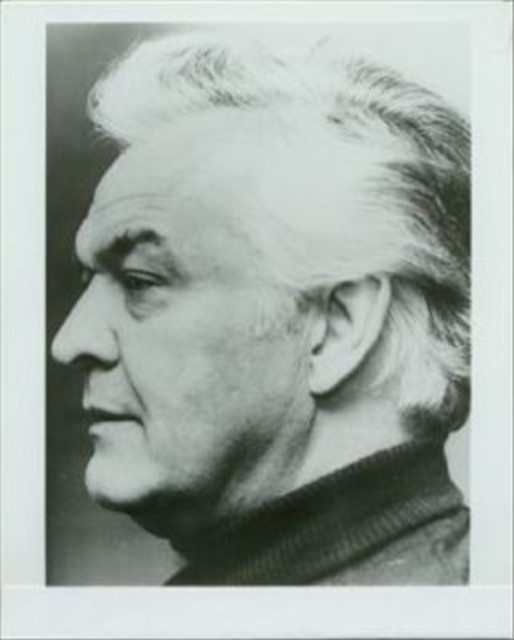
Since the mid-'80s, Olaf Bär has been counted among the more prominent German baritones of his generation. He has sung important operatic roles in the works of <a href="spotify:artist:6pAwHPeExeUbMd5w7Iny6D">Richard Strauss</a>, <a href="spotify:artist:4NJhFmfw43RLBLjQvxDuRS">Mozart</a>, <a href="spotify:artist:1p6wR69pnH9LBWZvwliuz2">Weber</a>, and many others, but has especially distinguished himself in the lieder of <a href="spotify:artist:2p0UyoPfYfI76PCStuXfOP">Schubert</a> and <a href="spotify:artist:2UqjDAXnDxejEyE0CzfUrZ">Schumann</a>.
Bär was born in Dresden, Germany, on December 19, 1957. As a child he exhibited rare vocal talent and, in 1968, was taken into the Dresden Children's Choir. He eventually began studies at the Hochschule für Musik in his native city.
In his mid-twenties he took a string of first prizes at major vocal competitions that included the <a href="spotify:artist:6n7nd5iceYpXVwcx8VPpxF">Dvorák</a> competition in Karlovy Vary, Czechoslovakia (1982), and London's Walther Grüner Lieder Competition (1983).
1985 was a pivotal year for Bär: he became a member of the Dresden State Opera, made his first recording with EMI and also debuted at Covent Garden singing Harlequin in <a href="spotify:artist:6pAwHPeExeUbMd5w7Iny6D">Strauss</a>' Ariadne auf Naxos. That premiere EMI recording was an acclaimed lieder disc of <a href="spotify:artist:2UqjDAXnDxejEyE0CzfUrZ">Schumann</a>'s Dichterliebe, Op. 48, and Liederkreis, Op. 39. He would later record other lieder repertory, including <a href="spotify:artist:2p0UyoPfYfI76PCStuXfOP">Schubert</a>'s Die schöne Müllerin, which garnered him a Gramophone Award.
In 1986 Bär scored a pair of successes when he appeared at both La Scala and the Vienna State Opera portraying Papageno from <a href="spotify:artist:4NJhFmfw43RLBLjQvxDuRS">Mozart</a>'s The Magic Flute, a role he would reprise in his American debut at the Chicago Lyric Opera in 1996. Appearances at Glyndebourne in 1987 and 1991 in <a href="spotify:artist:6pAwHPeExeUbMd5w7Iny6D">Richard Strauss</a> and <a href="spotify:artist:4NJhFmfw43RLBLjQvxDuRS">Mozart</a> operas further fueled his meteoric ascent, an ascent that hardly slowed when the singer confronted and overcame possibly career-ending vocal problems over a stretch of nearly two years.
Bär made numerous recordings in the mid-'90s with other major singers, including <a href="spotify:artist:4pFlv4QVInj7bAo0MqHpwW">Anne Sofie von Otter</a> (of <a href="spotify:artist:3JvFTHGx6J55BUnjL8l04T">Wolf</a>'s Spanisches Liederbuch in 1995) and <a href="spotify:artist:1EgV7b93j6hvI1Suiegi74">Dawn Upshaw</a> (of <a href="spotify:artist:3JvFTHGx6J55BUnjL8l04T">Wolf</a>'s Italienisches Liederbuch in 1996). Bär remained active on the operatic stage despite his growing attention to the lieder genre and the enormous successes it has brought him. At the 1999 Vienna Fesitival he sang Dr. Falke in Die Fledermaus, a role he successfully reprised at the 2001 Salzburg Festival. That same year he also appeared in <a href="spotify:artist:2p0UyoPfYfI76PCStuXfOP">Schubert</a>'s Alfonso und Estrella at the Zurich Opera House. In Paris in 2005, he once again reprised one of his favorite roles, that of Papageno. Bär has lived most of his life in Dresden.
Bär was born in Dresden, Germany, on December 19, 1957. As a child he exhibited rare vocal talent and, in 1968, was taken into the Dresden Children's Choir. He eventually began studies at the Hochschule für Musik in his native city.
In his mid-twenties he took a string of first prizes at major vocal competitions that included the <a href="spotify:artist:6n7nd5iceYpXVwcx8VPpxF">Dvorák</a> competition in Karlovy Vary, Czechoslovakia (1982), and London's Walther Grüner Lieder Competition (1983).
1985 was a pivotal year for Bär: he became a member of the Dresden State Opera, made his first recording with EMI and also debuted at Covent Garden singing Harlequin in <a href="spotify:artist:6pAwHPeExeUbMd5w7Iny6D">Strauss</a>' Ariadne auf Naxos. That premiere EMI recording was an acclaimed lieder disc of <a href="spotify:artist:2UqjDAXnDxejEyE0CzfUrZ">Schumann</a>'s Dichterliebe, Op. 48, and Liederkreis, Op. 39. He would later record other lieder repertory, including <a href="spotify:artist:2p0UyoPfYfI76PCStuXfOP">Schubert</a>'s Die schöne Müllerin, which garnered him a Gramophone Award.
In 1986 Bär scored a pair of successes when he appeared at both La Scala and the Vienna State Opera portraying Papageno from <a href="spotify:artist:4NJhFmfw43RLBLjQvxDuRS">Mozart</a>'s The Magic Flute, a role he would reprise in his American debut at the Chicago Lyric Opera in 1996. Appearances at Glyndebourne in 1987 and 1991 in <a href="spotify:artist:6pAwHPeExeUbMd5w7Iny6D">Richard Strauss</a> and <a href="spotify:artist:4NJhFmfw43RLBLjQvxDuRS">Mozart</a> operas further fueled his meteoric ascent, an ascent that hardly slowed when the singer confronted and overcame possibly career-ending vocal problems over a stretch of nearly two years.
Bär made numerous recordings in the mid-'90s with other major singers, including <a href="spotify:artist:4pFlv4QVInj7bAo0MqHpwW">Anne Sofie von Otter</a> (of <a href="spotify:artist:3JvFTHGx6J55BUnjL8l04T">Wolf</a>'s Spanisches Liederbuch in 1995) and <a href="spotify:artist:1EgV7b93j6hvI1Suiegi74">Dawn Upshaw</a> (of <a href="spotify:artist:3JvFTHGx6J55BUnjL8l04T">Wolf</a>'s Italienisches Liederbuch in 1996). Bär remained active on the operatic stage despite his growing attention to the lieder genre and the enormous successes it has brought him. At the 1999 Vienna Fesitival he sang Dr. Falke in Die Fledermaus, a role he successfully reprised at the 2001 Salzburg Festival. That same year he also appeared in <a href="spotify:artist:2p0UyoPfYfI76PCStuXfOP">Schubert</a>'s Alfonso und Estrella at the Zurich Opera House. In Paris in 2005, he once again reprised one of his favorite roles, that of Papageno. Bär has lived most of his life in Dresden.
Monthly Listeners
70,372
Monthly Listeners History
Track the evolution of monthly listeners over the last 28 days.
Followers
751
Followers History
Track the evolution of followers over the last 28 days.
Top Cities




Related Artists
Annette Markert
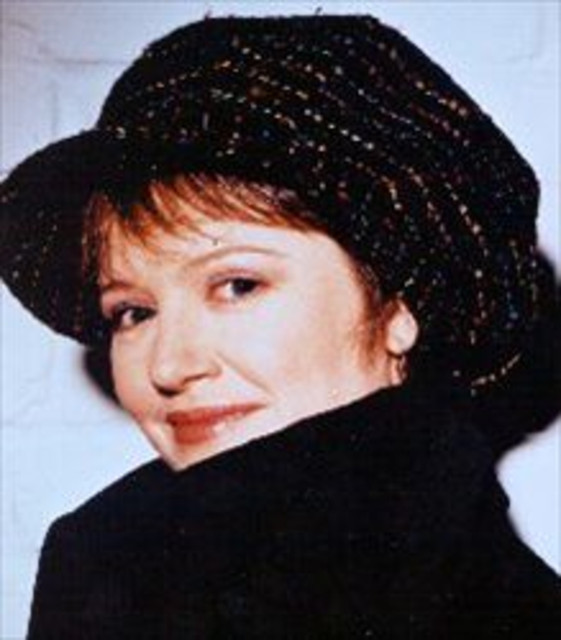

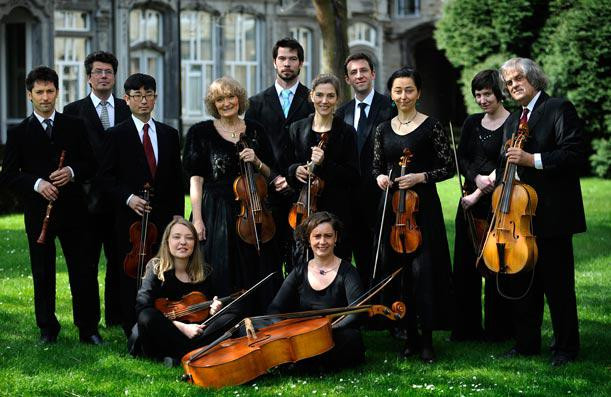
Bachchor Mainz

Maya Homburger
Vokalensemble Frankfurt
Christian Friedrich Henrici
Michael George



Monika Mauch

Eric Ericson Chamber Choir

Holland Boys Choir