Data may be outdated
Last updated: 9 months ago — Click refresh to get the latest statistics.
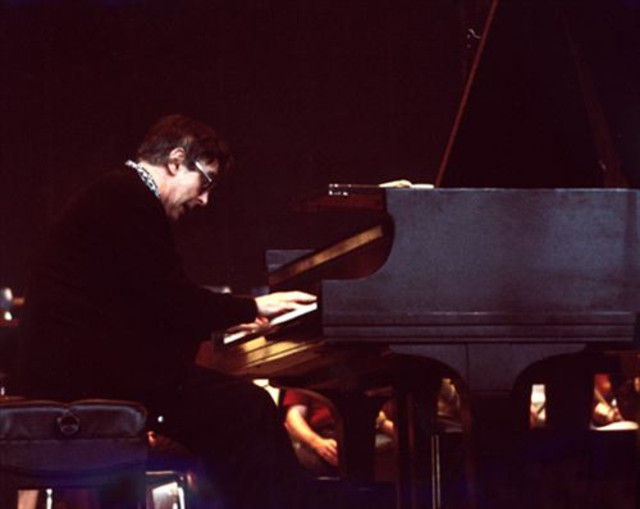
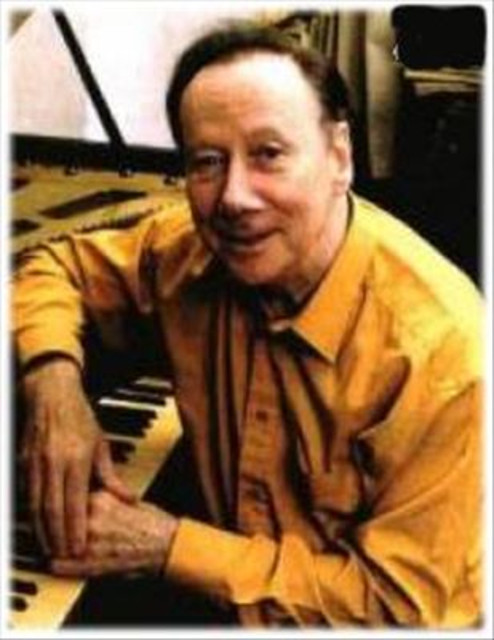
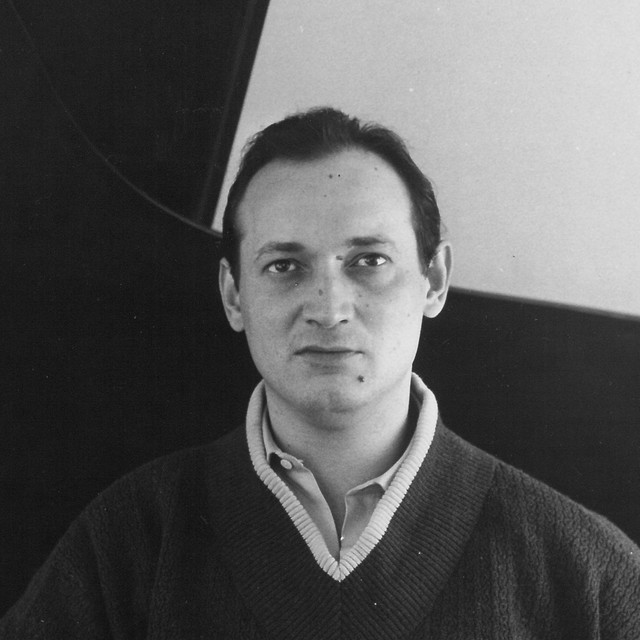
Although his early career seemed centered on <a href="spotify:artist:4NJhFmfw43RLBLjQvxDuRS">Mozart</a> and Beethoven, pianist Peter Katin became known as a great interpreter of Romantic keyboard literature, which he played with a serene warmth and big tone. He started playing when he was four years old. He had been studying privately with Harold Craxton before he was granted early admission to study with Craxton at the Royal Academy of Music at the age of 12, rather than the normal age of 16. He also credits <a href="spotify:artist:22c24jxFv4s340DtGNqUZo">Clifford Curzon</a>, <a href="spotify:artist:5k15M5itLxlNtLk7BGpGa1">Claudio Arrau</a>, and Myra Hess as being great influences in his musical life: "...I learned more in three long afternoons than I ever learned anywhere else." He gave his debut recital, a program that ranged from <a href="spotify:artist:0mFblCBw0GcoY7zY1P8tzE">Scarlatti</a> to <a href="spotify:artist:6nZiWg5ZB511S24WmB7TCV">Scriabin</a>, at Wigmore Hall in 1948. His first concerto performance was Beethoven's Concerto No. 4 with the <a href="spotify:artist:5yxyJsFanEAuwSM5kOuZKc">London Symphony</a> in 1951. Enthusiastic critical response led to many more orchestral engagements, most featuring Romantic concertos, beginning with the <a href="spotify:artist:3MKCzCnpzw3TjUYs2v7vDA">Tchaikovsky</a> Piano Concerto No. 2 for his first appearance at the Proms in 1952 and <a href="spotify:artist:0Kekt6CKSo0m5mivKcoH51">Rachmaninov</a>'s Concerto No. 3 for his second the next year. Christopher Seaman, <a href="spotify:artist:3TRLbu1HiKgouyapoZE421">Paavo Berglund</a>, George Cleve, and <a href="spotify:artist:49D8h67pxvvUNGOLKEGjkx">Owain Arwel Hughes</a> are just a few of the conductors he worked with in his career. In the late '60s, Katin undertook more comprehensive study of certain composers, such as <a href="spotify:artist:7y97mc3bZRFXzT2szRM4L4">Chopin</a>, <a href="spotify:artist:2p0UyoPfYfI76PCStuXfOP">Schubert</a>, <a href="spotify:artist:2UqjDAXnDxejEyE0CzfUrZ">Schumann</a>, <a href="spotify:artist:1Uff91EOsvd99rtAupatMP">Debussy</a>, <a href="spotify:artist:1385hLNbrnbCJGokfH2ac2">Liszt</a>, and <a href="spotify:artist:5ihY290YPGc3aY2xTyx7Gy">Grieg</a>, often presenting recitals comprising a single composer's works. His diligent study also led to his writing his own program notes and recording performances on historical instruments, such as one <a href="spotify:artist:7y97mc3bZRFXzT2szRM4L4">Chopin</a> used on his last visit to London. Most of his recordings are of the solo piano works of those composers he studied. His career as a soloist gave him few opportunities to perform with others, although in the 1970s he did accompany <a href="spotify:artist:2mjYUXIj32wSpgoZqlc2lP">Victoria de Los Angeles</a> in three recitals, and he did form a piano trio in 1997. He taught privately in addition to holding positions at the Royal Academy of Music (1956-1959), the University of Western Ontario (1978-1984), and the Royal Conservatory of Music since 1992. His students included Gordon Fergus-Thompson, <a href="spotify:artist:3pxt6077A2xXBAgMrgHRPg">Howard Shelley</a>, and Philip Fowke. In 1998 he was able to relive his debut recital, 50 years later to the day, at Wigmore with a very simliar program.
Monthly Listeners
31,464
Monthly Listeners History
Track the evolution of monthly listeners over the last 28 days.
Followers
878
Followers History
Track the evolution of followers over the last 28 days.
Top Cities
1,447 listeners

764 listeners
600 listeners

442 listeners

424 listeners
Related Artists
Anna Malikova




Karin Lechner



Carl Seemann
Tzimon Barto

Annie Fischer