Artist
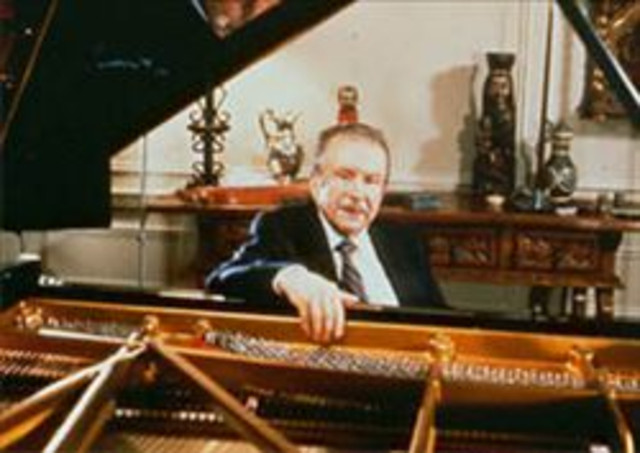
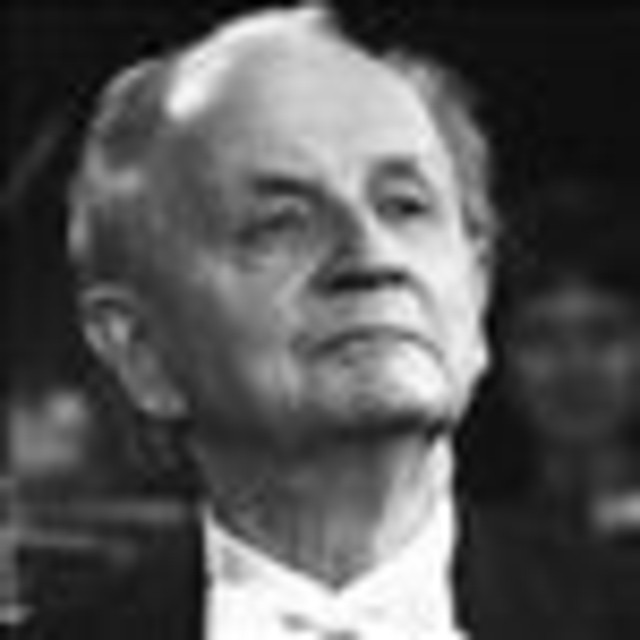
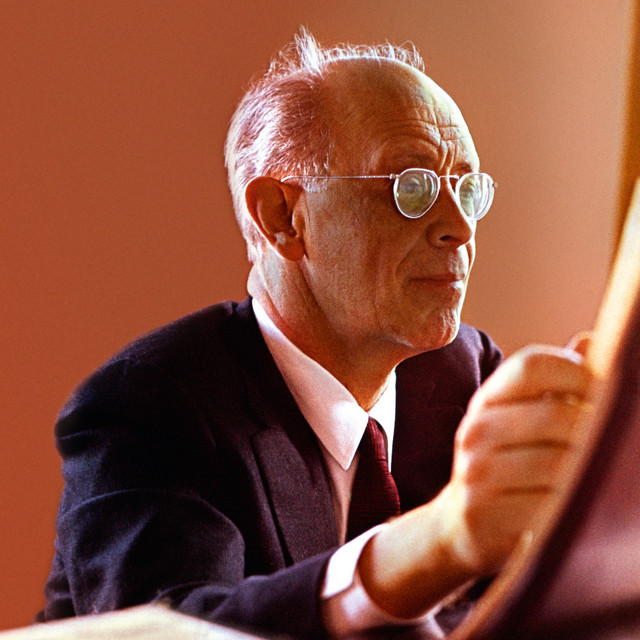
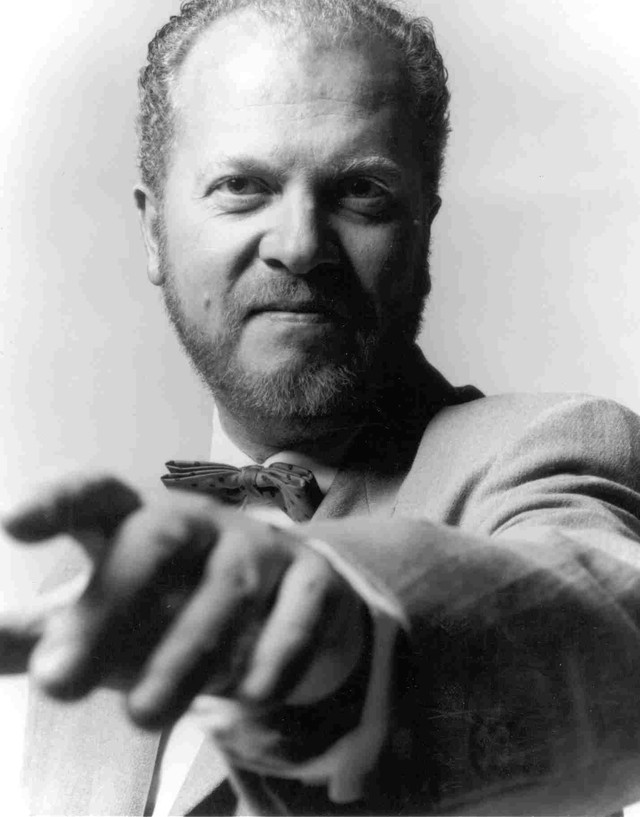
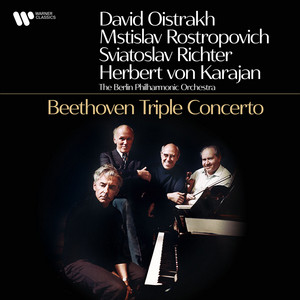
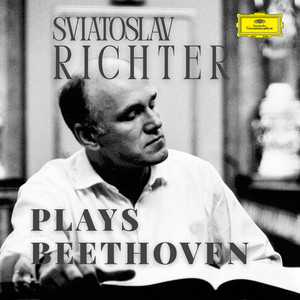
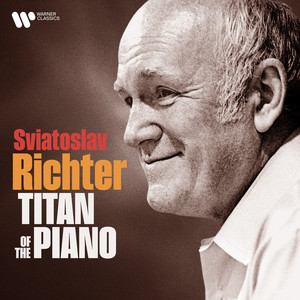
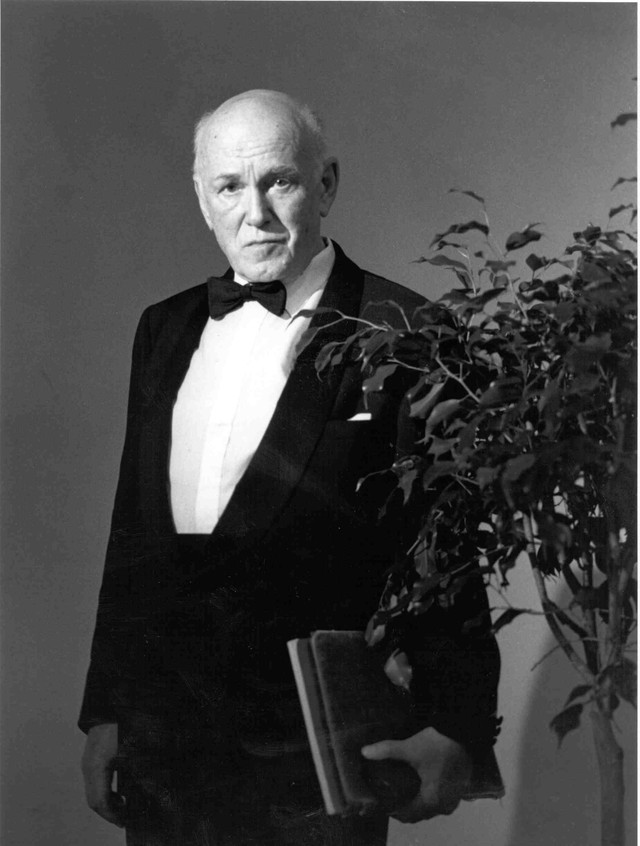
Sviatoslav Richter
Data may be outdated
Last updated: 1 month ago — Click refresh to get the latest statistics.
Richter gave the 1942 premiere of Sergei Prokofiev's Piano Sonata No. 6 -- the composer's first work in that form for years, and the first one he did not premiere himself. This resulted in wild acclaim for both performer and composer. Thereafter, Richter was a great proponent of <a href="spotify:artist:4kHtgiRnpmFIV5Tm4BIs8l">Prokofiev</a>'s music, premiering also the Seventh and the Ninth Sonatas, the latter of which is dedicated to him.
Though word of Richter's excellence (and occasional poor-quality recordings) had spread outside of Russia, his foreign engagements were limited to Eastern Bloc countries (and, in one case, China) where Soviet officials felt there was reduced risk of defection. However, his 1958 performance of <a href="spotify:artist:4kHtgiRnpmFIV5Tm4BIs8l">Prokofiev</a>'s Fifth Piano Concerto with the <a href="spotify:artist:6tdexW8bZTG8NgOFUCYQn1">Philadelphia Orchestra</a> (on tour in Leningrad) generated such excitement that he was finally permitted to tour the United States, further bolstering his reputation as a virtuoso. Engagements in all of world's musical centers followed. Richter was known as a pianist of transcendent abilities, particularly adept at highlighting the nuances of different styles. Though his interests focused primarily on music of Beethoven, and <a href="spotify:artist:4kHtgiRnpmFIV5Tm4BIs8l">Prokofiev</a>, he was also highly regarded for his <a href="spotify:artist:2p0UyoPfYfI76PCStuXfOP">Schubert</a>, <a href="spotify:artist:2UqjDAXnDxejEyE0CzfUrZ">Schumann</a>, <a href="spotify:artist:5aIqB5nVVvmFsvSdExz408">Bach</a>, <a href="spotify:artist:1Uff91EOsvd99rtAupatMP">Debussy</a>, and <a href="spotify:artist:17hR0sYHpx7VYTMRfFUOmY">Ravel</a>; and in the early 1960s he made a memorable recording of Benjamin Britten's Piano Concerto with the composer conducting.
Richter did not favor studio recordings; therefore, most of his recordings are from live performances. Many of them, particularly those from Soviet concerts, suffer from indifferent sound quality and excessive audience noise, but his playing had an electric quality that transcended these handicaps.
The pianist earned a reputation for being difficult and aloof. He was notoriously apt to cancel performances on whims, or arrive late without explanation or apology. However, those who heard him were rarely disappointed. He preferred intimate concert settings over big auditoriums, and thus returned many times to the Aldeburgh and Spoleto Festivals. He was the centerpiece of the Fêtes Musicales, held annually beginning in 1964 at Grange de Meslay, near Tours.
Among his greatest recordings are his <a href="spotify:artist:2p0UyoPfYfI76PCStuXfOP">Schubert</a> sonatas, <a href="spotify:artist:0Kekt6CKSo0m5mivKcoH51">Rachmaninov</a> and <a href="spotify:artist:4kHtgiRnpmFIV5Tm4BIs8l">Prokofiev</a> concertos, <a href="spotify:artist:1385hLNbrnbCJGokfH2ac2">Liszt</a> concertos (these have the benefits of first-rate sound), and his <a href="spotify:artist:2UqjDAXnDxejEyE0CzfUrZ">Schumann</a>. He has also served as a chamber musician and accompanist, playing piano duets with <a href="spotify:artist:7MJ1pB5d6Vjmzep2zQlorn">Britten</a>, and accompanying Elisabeth Schwarzkopf and Dietrich Fischer-Dieskau, among others.
Monthly Listeners
116,211
Monthly Listeners History
Track the evolution of monthly listeners over the last 28 days.
Followers
81,043
Followers History
Track the evolution of followers over the last 28 days.
Total Streams
271.5 million
Total Streams History
Track the evolution of total streams over the last 28 days. This data is calculated from all tracks listed in the artist's discography.
Top Cities





Related Artists