Data may be outdated
Last updated: 8 months ago — Click refresh to get the latest statistics.
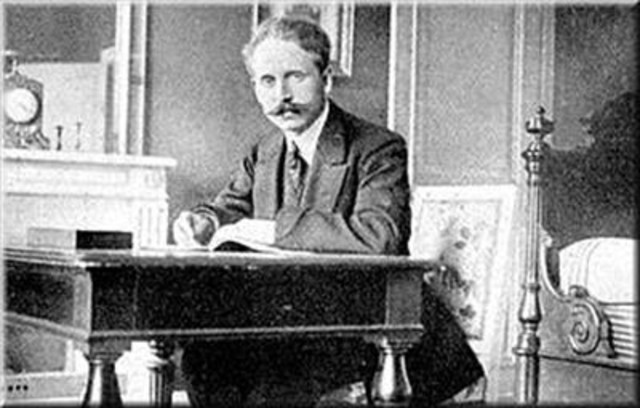
A major figure during the golden age of American orchestral music, conductor Pierre Monteux had an exceptionally long career that began in the 19th century, encompassed the premiere of <a href="spotify:artist:7ie36YytMoKtPiL7tUvmoE">Stravinsky</a>'s Le Sacre du printemps, which he conducted, and extended into the 1960s. He fundamentally shaped several American orchestras in the French style. Monteux had a large recording catalog stretching back well into the 78 rpm era. Many of his recordings appeared in reissues well after his death; a 1955 recording with the <a href="spotify:artist:0K23lQ2hSQAlxSEeZ05bjI">Boston Symphony Orchestra</a> featuring works by <a href="spotify:artist:11T8SOX82xraocZzUXzkvM">Berlioz</a>, <a href="spotify:artist:5wTAi7QkpP6kp8a54lmTOq">Brahms</a>, <a href="spotify:artist:4dadMoMQOTGa96FlnhEzCi">Chausson</a>, <a href="spotify:artist:1Uff91EOsvd99rtAupatMP">Debussy</a>, <a href="spotify:artist:1C3sffOOvQNUwg4YIsvKqy">Franck</a>, and <a href="spotify:artist:74t2IgTigmFhqMn5gs5XPt">d'Indy</a> appeared in a digital form on the <a href="spotify:search:label%3A%22ICA%22">ICA</a> label in 2018.
Of nonreligious Jewish background, Monteux was born in Paris on April 4, 1875. His mother was a conservatory graduate who recognized her son's talent, although his father was a shoe salesman with little interest in music. Monteux started violin lessons at six. At, nine, he was admitted to the Conservatoire de Paris, where his classmates included <a href="spotify:artist:7KKscZTeDLz1g0QthWCMQV">George Enescu</a> and <a href="spotify:artist:0HdNDZaNm7xLt18v9aWDfe">Fritz Kreisler</a>. He also made friends with pianist <a href="spotify:artist:050gdJliIBXy99gPLsmHiy">Alfred Cortot</a>, and at 12, he organized an orchestra of his fellow students to back <a href="spotify:artist:050gdJliIBXy99gPLsmHiy">Cortot</a>'s concerts in the Paris area. Monteux was a member of the Quatuor Geloso as a violist and played in various Paris orchestras, including that of the Folies Bergère music hall. He made his conducting debut in 1895 as a substitute for <a href="spotify:artist:436sYg6CZhNefQJogaXeK0">Camille Saint-Saëns</a> in a performance of the oratorio La lyre et la harpe; <a href="spotify:artist:436sYg6CZhNefQJogaXeK0">Saint-Saëns</a> was dissatisfied with the organist and demanded to play the organ part himself as a nervous Monteux was drafted to step in. Monteux's recording debut came in 1903 as a violist in a group backing tenor Albert Vaguet in an excerpt from <a href="spotify:artist:6aItH4tJHWc4wKwlDXkJrc">Meyerbeer</a>'s Les Huguenots.
Monteux remained a successful string player, but in the first decades of the 20th century, more and more conducting opportunities came his way. He often collaborated with ballet impresario Serge Diaghilev, and it was through that connection that Monteux came to conduct one of the most famous events in classical music in the 20th century: the premiere of <a href="spotify:artist:7ie36YytMoKtPiL7tUvmoE">Igor Stravinsky</a>'s Le Sacre du printemps ("The Rite of Spring") in 1913. Ironically, Monteux personally disliked the work, which caused an audience uproar at the premiere, but went on to become acclaimed as a masterpiece. Monteux fought in the French army in World War I. After the war, he began working in the U.S., where he would spend much of the latter part of his career. He conducted several French operas at the Metropolitan Opera in New York, and in 1919, he became the chief conductor of the <a href="spotify:artist:0K23lQ2hSQAlxSEeZ05bjI">Boston Symphony Orchestra</a>. There, he faced difficulties, for the orchestra's previous conductor, <a href="spotify:artist:2mEveHHGI25DLRXka7AlzS">Karl Muck</a>, had been forced out due to anti-German sentiment, and many players had left with him. Monteux remained in his chief conductor's post until 1924, patiently rebuilding the group by auditioning musicians of various backgrounds. The orchestra today still retains traces of Monteux's essentially French style, and he maintained close ties with the group, returning frequently to conduct and make multiple recordings.
Returning to Europe for a time, Monteux conducted the <a href="spotify:artist:2HqNckz4bPVT37fWkhugTZ">Concertgebouw Orchestra of Amsterdam</a> from 1924 to 1934, also picking up the baton next at the new Orchestre Symphonique de Paris in 1929 and remaining its conductor until 1938. In 1936, he also became music director of the <a href="spotify:artist:1qHStDLIc8uV7hvTG6FGRJ">San Francisco Symphony</a>, remaining there until 1952 and devoting full time to it as storm clouds gathered in Europe. A conductor-training academy Monteux had established in France, the Monteux School, was moved to Hancock, Maine, where he lived part-time. Monteux remained active into his ninth decade, leading many European orchestras as a guest conductor and assuming the chief conductorship of the <a href="spotify:artist:5yxyJsFanEAuwSM5kOuZKc">London Symphony Orchestra</a> in 1961. Monteux conducted his last concert in April of 1964, leading the RAI Radio and Television Symphony in Milan, Italy. After a series of strokes, he died at his home in Maine on July 1, 1964. Many of Monteux's 78 rpm recordings, especially those he made with the <a href="spotify:artist:0K23lQ2hSQAlxSEeZ05bjI">Boston Symphony</a> for the <a href="spotify:search:label%3A%22RCA+Victor%22">RCA Victor</a> label, were reissued first on LP, then on CD, and then on streaming media; as of 2024, more than 175 albums from the digital era featuring Monteux were in print, and his legacy includes many more LPs and 78s. ~ James Manheim, Rovi
Of nonreligious Jewish background, Monteux was born in Paris on April 4, 1875. His mother was a conservatory graduate who recognized her son's talent, although his father was a shoe salesman with little interest in music. Monteux started violin lessons at six. At, nine, he was admitted to the Conservatoire de Paris, where his classmates included <a href="spotify:artist:7KKscZTeDLz1g0QthWCMQV">George Enescu</a> and <a href="spotify:artist:0HdNDZaNm7xLt18v9aWDfe">Fritz Kreisler</a>. He also made friends with pianist <a href="spotify:artist:050gdJliIBXy99gPLsmHiy">Alfred Cortot</a>, and at 12, he organized an orchestra of his fellow students to back <a href="spotify:artist:050gdJliIBXy99gPLsmHiy">Cortot</a>'s concerts in the Paris area. Monteux was a member of the Quatuor Geloso as a violist and played in various Paris orchestras, including that of the Folies Bergère music hall. He made his conducting debut in 1895 as a substitute for <a href="spotify:artist:436sYg6CZhNefQJogaXeK0">Camille Saint-Saëns</a> in a performance of the oratorio La lyre et la harpe; <a href="spotify:artist:436sYg6CZhNefQJogaXeK0">Saint-Saëns</a> was dissatisfied with the organist and demanded to play the organ part himself as a nervous Monteux was drafted to step in. Monteux's recording debut came in 1903 as a violist in a group backing tenor Albert Vaguet in an excerpt from <a href="spotify:artist:6aItH4tJHWc4wKwlDXkJrc">Meyerbeer</a>'s Les Huguenots.
Monteux remained a successful string player, but in the first decades of the 20th century, more and more conducting opportunities came his way. He often collaborated with ballet impresario Serge Diaghilev, and it was through that connection that Monteux came to conduct one of the most famous events in classical music in the 20th century: the premiere of <a href="spotify:artist:7ie36YytMoKtPiL7tUvmoE">Igor Stravinsky</a>'s Le Sacre du printemps ("The Rite of Spring") in 1913. Ironically, Monteux personally disliked the work, which caused an audience uproar at the premiere, but went on to become acclaimed as a masterpiece. Monteux fought in the French army in World War I. After the war, he began working in the U.S., where he would spend much of the latter part of his career. He conducted several French operas at the Metropolitan Opera in New York, and in 1919, he became the chief conductor of the <a href="spotify:artist:0K23lQ2hSQAlxSEeZ05bjI">Boston Symphony Orchestra</a>. There, he faced difficulties, for the orchestra's previous conductor, <a href="spotify:artist:2mEveHHGI25DLRXka7AlzS">Karl Muck</a>, had been forced out due to anti-German sentiment, and many players had left with him. Monteux remained in his chief conductor's post until 1924, patiently rebuilding the group by auditioning musicians of various backgrounds. The orchestra today still retains traces of Monteux's essentially French style, and he maintained close ties with the group, returning frequently to conduct and make multiple recordings.
Returning to Europe for a time, Monteux conducted the <a href="spotify:artist:2HqNckz4bPVT37fWkhugTZ">Concertgebouw Orchestra of Amsterdam</a> from 1924 to 1934, also picking up the baton next at the new Orchestre Symphonique de Paris in 1929 and remaining its conductor until 1938. In 1936, he also became music director of the <a href="spotify:artist:1qHStDLIc8uV7hvTG6FGRJ">San Francisco Symphony</a>, remaining there until 1952 and devoting full time to it as storm clouds gathered in Europe. A conductor-training academy Monteux had established in France, the Monteux School, was moved to Hancock, Maine, where he lived part-time. Monteux remained active into his ninth decade, leading many European orchestras as a guest conductor and assuming the chief conductorship of the <a href="spotify:artist:5yxyJsFanEAuwSM5kOuZKc">London Symphony Orchestra</a> in 1961. Monteux conducted his last concert in April of 1964, leading the RAI Radio and Television Symphony in Milan, Italy. After a series of strokes, he died at his home in Maine on July 1, 1964. Many of Monteux's 78 rpm recordings, especially those he made with the <a href="spotify:artist:0K23lQ2hSQAlxSEeZ05bjI">Boston Symphony</a> for the <a href="spotify:search:label%3A%22RCA+Victor%22">RCA Victor</a> label, were reissued first on LP, then on CD, and then on streaming media; as of 2024, more than 175 albums from the digital era featuring Monteux were in print, and his legacy includes many more LPs and 78s. ~ James Manheim, Rovi
Monthly Listeners
30,037
Monthly Listeners History
Track the evolution of monthly listeners over the last 28 days.
Followers
3,853
Followers History
Track the evolution of followers over the last 28 days.
Top Cities
734 listeners

416 listeners

416 listeners

289 listeners

285 listeners

Related Artists






Paavo Berglund




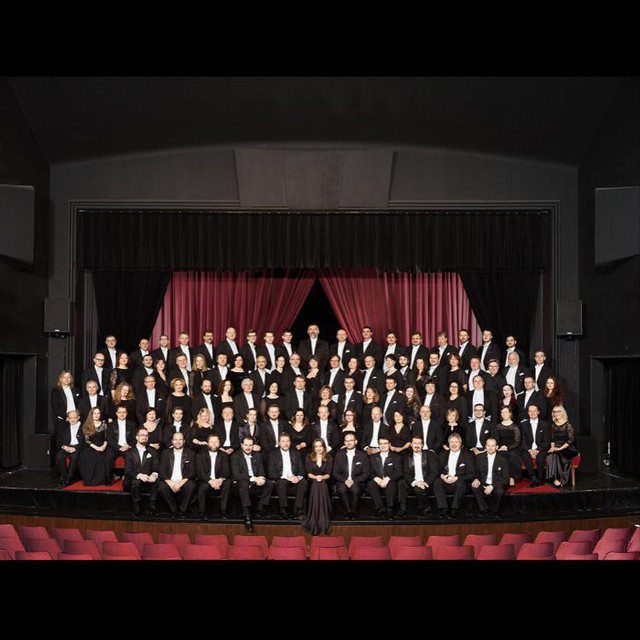
Janáček Philharmonic Orchestra

Staatsphilharmonie Rheinland-Pfalz