Data may be outdated
Last updated: 9 months ago — Click refresh to get the latest statistics.
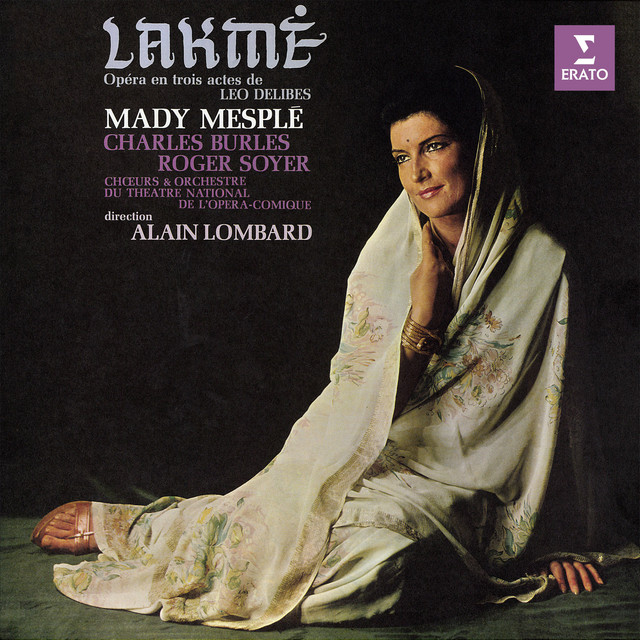
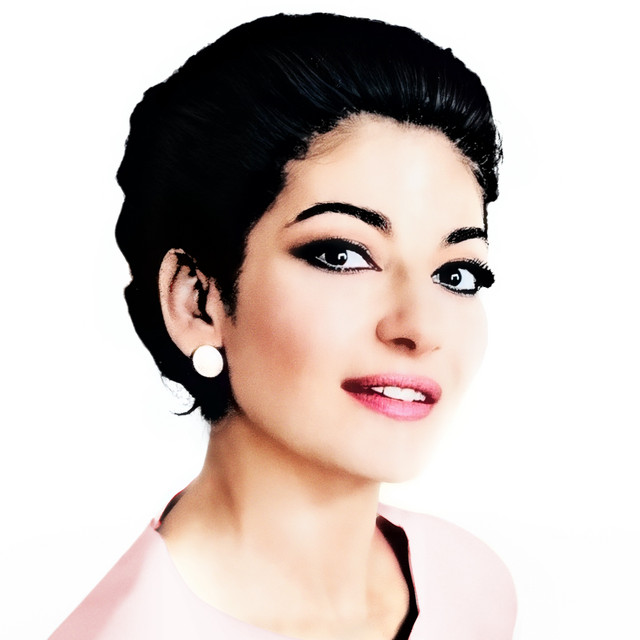
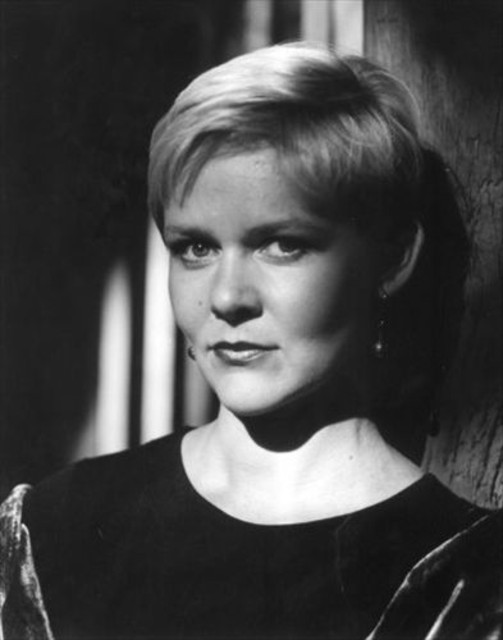
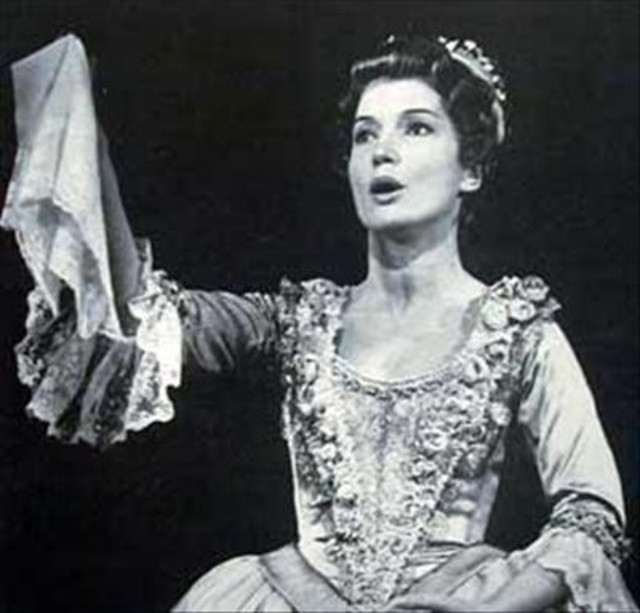
Mady Mesplé was a fine French lyric coloratura soprano who was active from the late 1950s through the 1980s. Her operatic career was centered on the core coloratura roles, including <a href="spotify:artist:1JOQXgYdQV2yfrhewqx96o">Verdi</a>'s Rigoletto, <a href="spotify:artist:4OihBPCQzR4GfbzqOY69Xm">Offenbach</a>'s Tales of Hoffmann, <a href="spotify:artist:0roWUeP7Ac4yK4VN6L2gF4">Rossini</a>'s The Barber of Seville, <a href="spotify:artist:2jCGEMSZXMSOImpD8sqo56">Donizetti</a>'s Lucia di Lammermoor, and <a href="spotify:artist:4NJhFmfw43RLBLjQvxDuRS">Mozart</a>'s The Magic Flute, but she was best remembered for the title role in <a href="spotify:artist:1M9AXZkNPdOd1IPEsQsXnT">Delibes</a>' Lakmé. Many consider her EMI recording of that signature role to be definitive. She also excelled in performances of new works, and as a recitalist.
Mesplé was born in Toulouse in 1931. She attended the local music academy, winning prizes in both singing and piano, and in 1953 she made her stage debut in Liège, as Lakmé. She then added Lucia and The Queen of the Night to her resumé with the Belgian National Opera, and in 1956 she joined the Opéra-Comique in Paris. 1958 marked her debut at the Opéra de Paris, where she sang Constance in <a href="spotify:artist:4IAWVxo2fpTBPn6k7GZ3eY">Poulenc</a>'s Dialogue of the Carmelites, Oscar in <a href="spotify:artist:1JOQXgYdQV2yfrhewqx96o">Verdi</a>'s Un ballo in Maschera, and multiple roles in <a href="spotify:artist:17hR0sYHpx7VYTMRfFUOmY">Ravel</a>'s L'enfant et les sortileges.
During the 1960s Mesplé branched out into newer music. <a href="spotify:artist:6q37Qqebsb9yd0HD1SieGB">Charles Chaynes</a> composed his Four Poems of Sappho for her, and in 1963 she premiered <a href="spotify:artist:6ZXkJX29GZJB89aLkckbj0">Gian Carlo Menotti</a>'s opera The Last Savage. She was also the first to sing the French version of <a href="spotify:artist:7xkiLJgEoKMVDgTh0s2Mqu">Hans Werner Henze</a>'s Elegy for Young Lovers in 1965, and <a href="spotify:artist:2prZJWfQMnIgwUKxKcBxH7">Pierre Boulez</a> chose Mesplé for his performances of <a href="spotify:artist:5U827e4jbYz6EjtN0fIDt9">Schoenberg</a>'s Jacob's Ladder.
Mesplé's discography was split fairly equally between French operetta (especially <a href="spotify:artist:4OihBPCQzR4GfbzqOY69Xm">Offenbach</a>), opera, and recital literature. Although her Lakmé eclipsed her other operatic recordings in recognition and popularity, her Werther (with <a href="spotify:artist:5lfbI21DXOiKTCT3Gb802r">Georges Prêtre</a> on EMI) and Guillaume Tell (with <a href="spotify:artist:2aFoGvJk71iQ8dg5ACSOQu">Lamberto Gardelli</a>, also on EMI) are also worth a listen. Her most notable song recording is of the complete songs of <a href="spotify:artist:17hR0sYHpx7VYTMRfFUOmY">Ravel</a> with <a href="spotify:artist:2pbSEyAiiPwFivKqxXLhiB">Dalton Baldwin</a>, <a href="spotify:artist:3dbwXJ0Cmz5tm7KqfE1Ywa">Gabriel Bacquier</a>, and <a href="spotify:artist:5qNUHMEhszyeXNYMn4sswd">José van Dam</a>. In the 1990s, Mesplé was diagnosed with Parkinson's disease, which ended her singing career. She died in her hometown of Toulouse on May 30, 2020 at the age of 89.
Mesplé was born in Toulouse in 1931. She attended the local music academy, winning prizes in both singing and piano, and in 1953 she made her stage debut in Liège, as Lakmé. She then added Lucia and The Queen of the Night to her resumé with the Belgian National Opera, and in 1956 she joined the Opéra-Comique in Paris. 1958 marked her debut at the Opéra de Paris, where she sang Constance in <a href="spotify:artist:4IAWVxo2fpTBPn6k7GZ3eY">Poulenc</a>'s Dialogue of the Carmelites, Oscar in <a href="spotify:artist:1JOQXgYdQV2yfrhewqx96o">Verdi</a>'s Un ballo in Maschera, and multiple roles in <a href="spotify:artist:17hR0sYHpx7VYTMRfFUOmY">Ravel</a>'s L'enfant et les sortileges.
During the 1960s Mesplé branched out into newer music. <a href="spotify:artist:6q37Qqebsb9yd0HD1SieGB">Charles Chaynes</a> composed his Four Poems of Sappho for her, and in 1963 she premiered <a href="spotify:artist:6ZXkJX29GZJB89aLkckbj0">Gian Carlo Menotti</a>'s opera The Last Savage. She was also the first to sing the French version of <a href="spotify:artist:7xkiLJgEoKMVDgTh0s2Mqu">Hans Werner Henze</a>'s Elegy for Young Lovers in 1965, and <a href="spotify:artist:2prZJWfQMnIgwUKxKcBxH7">Pierre Boulez</a> chose Mesplé for his performances of <a href="spotify:artist:5U827e4jbYz6EjtN0fIDt9">Schoenberg</a>'s Jacob's Ladder.
Mesplé's discography was split fairly equally between French operetta (especially <a href="spotify:artist:4OihBPCQzR4GfbzqOY69Xm">Offenbach</a>), opera, and recital literature. Although her Lakmé eclipsed her other operatic recordings in recognition and popularity, her Werther (with <a href="spotify:artist:5lfbI21DXOiKTCT3Gb802r">Georges Prêtre</a> on EMI) and Guillaume Tell (with <a href="spotify:artist:2aFoGvJk71iQ8dg5ACSOQu">Lamberto Gardelli</a>, also on EMI) are also worth a listen. Her most notable song recording is of the complete songs of <a href="spotify:artist:17hR0sYHpx7VYTMRfFUOmY">Ravel</a> with <a href="spotify:artist:2pbSEyAiiPwFivKqxXLhiB">Dalton Baldwin</a>, <a href="spotify:artist:3dbwXJ0Cmz5tm7KqfE1Ywa">Gabriel Bacquier</a>, and <a href="spotify:artist:5qNUHMEhszyeXNYMn4sswd">José van Dam</a>. In the 1990s, Mesplé was diagnosed with Parkinson's disease, which ended her singing career. She died in her hometown of Toulouse on May 30, 2020 at the age of 89.
Monthly Listeners
315,062
Monthly Listeners History
Track the evolution of monthly listeners over the last 28 days.
Followers
1,705
Followers History
Track the evolution of followers over the last 28 days.
Top Cities
8,745 listeners

6,212 listeners

5,875 listeners

5,653 listeners

3,457 listeners