Data may be outdated
Last updated: 8 months ago — Click refresh to get the latest statistics.
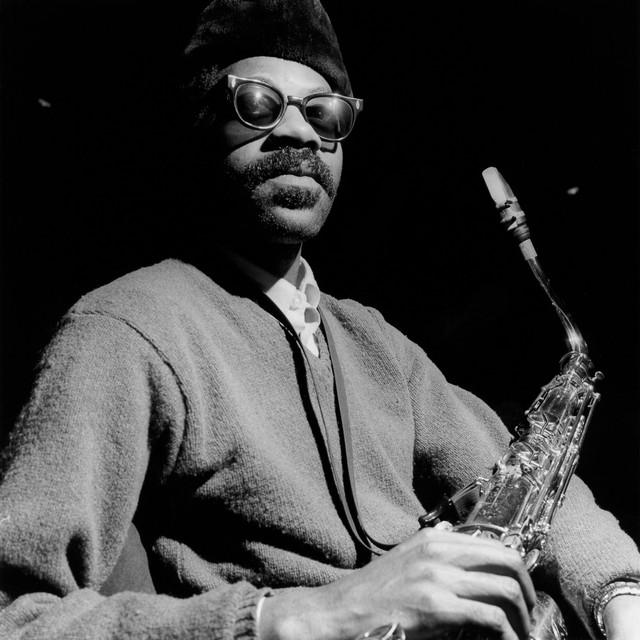
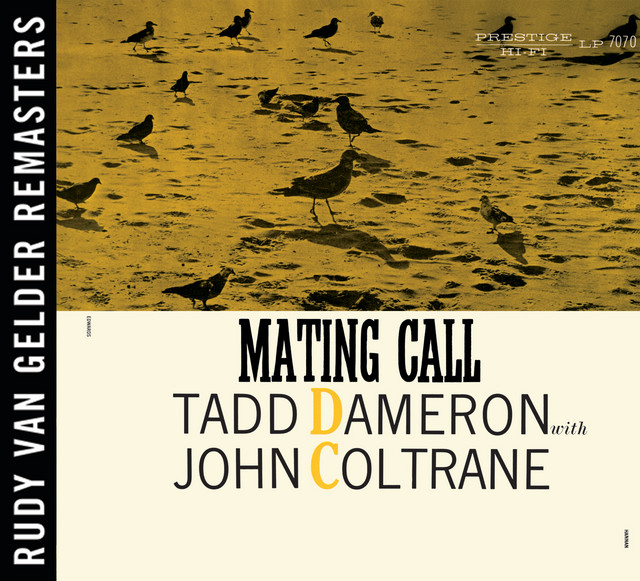
The definitive arranger/composer of the bop era, Tadd Dameron wrote such standards as "Good Bait," "Our Delight," "Hot House," "Lady Bird," and "If You Could See Me Now." Not only did he write melody lines, but full arrangements, and he was an influential force from the mid-'40s on even though he never financially prospered. Dameron started out in the swing era touring with the Zack Whyte and <a href="spotify:artist:4Pb1I6ZTK7XnAfk7bJtvjh">Blanche Calloway</a> bands, he wrote for <a href="spotify:artist:6aYF8YjrpwU5dTF5bAP9BO">Vido Musso</a> in New York and most importantly, contributed arrangements for <a href="spotify:artist:1ZAJMFD5b8D4VapNUSySpe">Harlan Leonard's Kansas City Orchestra</a>, some of which were recorded. Soon Dameron was writing charts for such bands as <a href="spotify:artist:5z49AOW1q5dtslkcj6wGsW">Jimmie Lunceford</a>, <a href="spotify:artist:2jFZlvIea42ZvcCw4OeEdA">Count Basie</a>, <a href="spotify:artist:6htazaFMy8zs0f3sMtM2Pt">Billy Eckstine</a>, and <a href="spotify:artist:5RzjqfPS0Bu4bUMkyNNDpn">Dizzy Gillespie</a> (1945-1947) in addition to <a href="spotify:artist:1bgyxtWjZwA5PQlDsvs9b8">Sarah Vaughan</a>. Dameron was always very modest about his own piano playing but he did gig with <a href="spotify:artist:1cNfD0wVetbHjuDsosNCQO">Babs Gonzales' Three Bips & a Bop</a> in 1947 and led a sextet featuring <a href="spotify:artist:0w2MvntXz3P5Ko3oslGJoG">Fats Navarro</a> (and later <a href="spotify:artist:0kbYTNQb4Pb1rPbbaF0pT4">Miles Davis</a>) at the Royal Roost during 1948-1949. Dameron co-led a group with <a href="spotify:artist:0kbYTNQb4Pb1rPbbaF0pT4">Davis</a> at the 1949 Paris Jazz Festival, stayed in Europe for a few months (writing for <a href="spotify:artist:4v8G8fM1P0Nrn9nZZW0ziT">Ted Heath</a>), and then returned to New York. He wrote for <a href="spotify:artist:5wam12nGWDBIrLDV78TNSF">Artie Shaw</a>'s last orchestra that year, played and arranged R&B for <a href="spotify:artist:7LvQ7F9il2LSzH7iwR4N2p">Bull Moose Jackson</a> (1951-1952) and in 1953 led a nonet featuring <a href="spotify:artist:1HJHwWck1EY096ea2iPAHO">Clifford Brown</a> and <a href="spotify:artist:4WhH68K75YKSAwHAqWFpi1">Philly Joe Jones</a>. Drug problems, however, started to get in the way of his music. After recording a couple of albums (including 1958's Mating Call with <a href="spotify:artist:2hGh5VOeeqimQFxqXvfCUf">John Coltrane</a>) he spent much of 1959-1961 in jail. After he was released, Dameron wrote for <a href="spotify:artist:217b0uqAzsOOhGcnoANZqj">Sonny Stitt</a>, <a href="spotify:artist:420BtT2Zyze7Eb9zqHcliW">Blue Mitchell</a>, <a href="spotify:artist:23i8EixXKG0EWGRCfHlUGN">Milt Jackson</a>, <a href="spotify:artist:1pBuKaLHJlIlqYxQQaflve">Benny Goodman</a> and his last record but was less active in the years before his death from cancer. Tadd Dameron's classic Blue Note recordings of 1947-48, his 1949 Capitol sides and Prestige/Riverside sets of 1953, 1956, 1958, and 1962 are all currently in print on CD. ~ Scott Yanow, Rovi
Monthly Listeners
36,151
Monthly Listeners History
Track the evolution of monthly listeners over the last 28 days.
Followers
6,272
Followers History
Track the evolution of followers over the last 28 days.
Top Cities
523 listeners

506 listeners
471 listeners
414 listeners
351 listeners
Related Artists

Red Garland Quintet
Idrees Sulieman
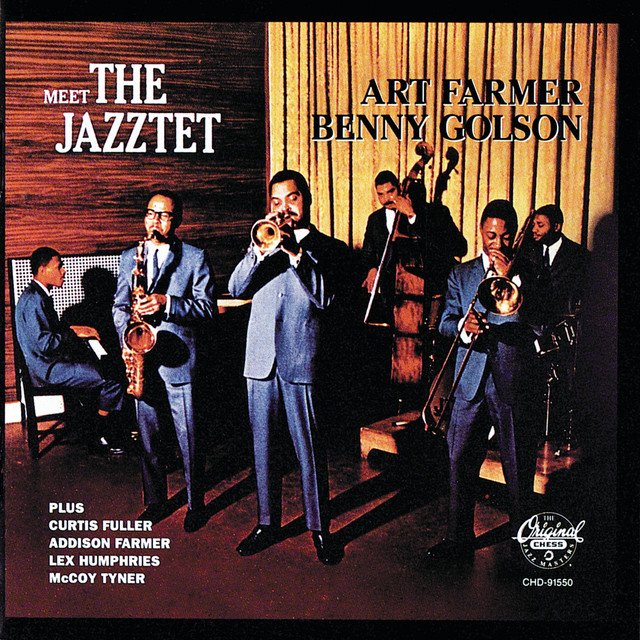
Art Farmer & Benny Golson Jazztet