Data may be outdated
Last updated: 7 months ago — Click refresh to get the latest statistics.
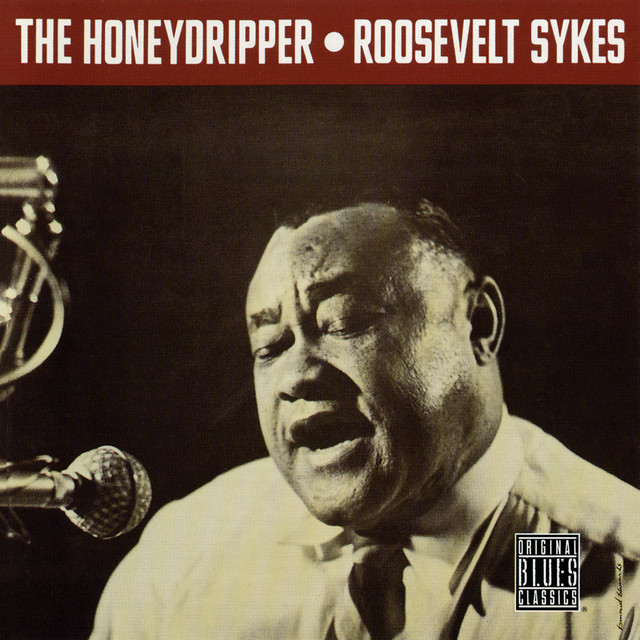
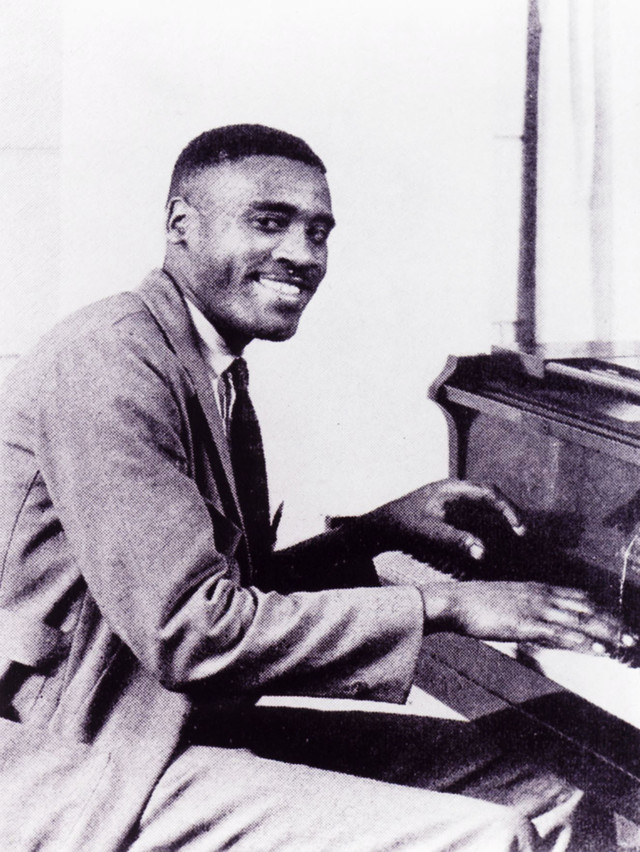
Next time someone voices the opinion that blues music is simply too depressing to embrace, expose them to a heady dose of Roosevelt Sykes. There was absolutely nothing downbeat about this effervescent pianist, whose lengthy career spanned the pre-war and postwar eras. Sykes' romping boogies and hilariously risqué lyrics on songs like "Dirty Mother for You," "Ice Cream Freezer," and "Peeping Tom" characterize his monumental contributions to the blues idiom. He was a pioneering piano pounder responsible for the seminal pieces "44 Blues," "Driving Wheel," and "Night Time Is the Right Time."
Sykes began playing while growing up in Helena. At age 15 he hit the road, developing his rowdy barrelhouse style around the blues-fertile St. Louis area. He began recording in 1929 for <a href="spotify:search:label%3A%22OKeh%22">OKeh</a> and was signed to four different labels the next year under four different names (he was variously billed as Dobby Bragg, <a href="spotify:artist:1vp53wK7uqF6mhWur03K24">Willie Kelly</a>, and Easy Papa Johnson). Sykes signed to <a href="spotify:search:label%3A%22Decca+Records%22">Decca Records</a> in 1935, where his popularity blossomed. After relocating to Chicago, Sykes inked a pact with <a href="spotify:search:label%3A%22Bluebird%22">Bluebird</a> in 1943 and recorded prolifically for the <a href="spotify:search:label%3A%22RCA%22">RCA</a> subsidiary with his combo <a href="spotify:artist:7J7YRBSoiXpdTmcbkKZL2C">the Honeydrippers</a>, scoring a pair of R&B hits in 1945 (covers of <a href="spotify:artist:3m4AIdPn8uuaaiKIb3MXQf">Cecil Gant</a>'s "I Wonder" and <a href="spotify:artist:5csKyypxXUXTNBUGuCrsoV">Joe Liggins</a>' "The Honeydripper"). The following year, he scored one more national chart item for the <a href="spotify:search:label%3A%22Victor%22">Victor</a> logo, the lowdown blues "Sunny Road." He also often toured and recorded with singer St. Louis Jimmy Oden, the originator of the classic "Going Down Slow."
In 1951, Sykes joined Chicago's <a href="spotify:search:label%3A%22United+Records%22">United Records</a>, cutting more fine sides over the next couple of years. A pair of <a href="spotify:artist:4J7xpEpjniTZGE73PxVfkw">Dave Bartholomew</a>-produced 1955 dates for <a href="spotify:search:label%3A%22Imperial%22">Imperial</a> in New Orleans included a rollicking version of "Sweet Home Chicago" that presaged all the covers that would surface later on. A slew of albums for <a href="spotify:search:label%3A%22Bluesville%22">Bluesville</a>, <a href="spotify:search:label%3A%22Folkways%22">Folkways</a>, <a href="spotify:search:label%3A%22Crown%22">Crown</a>, and <a href="spotify:search:label%3A%22Delmark%22">Delmark</a> kept Sykes on the shelves during the '60s (a time when European tours began to take up quite a bit of the pianist's itinerary). He settled in New Orleans during the late '60s, where he remained a local treasure until his death. Precious few pianists could boast the thundering boogie prowess of Roosevelt Sykes. ~ Bill Dahl, Rovi
Sykes began playing while growing up in Helena. At age 15 he hit the road, developing his rowdy barrelhouse style around the blues-fertile St. Louis area. He began recording in 1929 for <a href="spotify:search:label%3A%22OKeh%22">OKeh</a> and was signed to four different labels the next year under four different names (he was variously billed as Dobby Bragg, <a href="spotify:artist:1vp53wK7uqF6mhWur03K24">Willie Kelly</a>, and Easy Papa Johnson). Sykes signed to <a href="spotify:search:label%3A%22Decca+Records%22">Decca Records</a> in 1935, where his popularity blossomed. After relocating to Chicago, Sykes inked a pact with <a href="spotify:search:label%3A%22Bluebird%22">Bluebird</a> in 1943 and recorded prolifically for the <a href="spotify:search:label%3A%22RCA%22">RCA</a> subsidiary with his combo <a href="spotify:artist:7J7YRBSoiXpdTmcbkKZL2C">the Honeydrippers</a>, scoring a pair of R&B hits in 1945 (covers of <a href="spotify:artist:3m4AIdPn8uuaaiKIb3MXQf">Cecil Gant</a>'s "I Wonder" and <a href="spotify:artist:5csKyypxXUXTNBUGuCrsoV">Joe Liggins</a>' "The Honeydripper"). The following year, he scored one more national chart item for the <a href="spotify:search:label%3A%22Victor%22">Victor</a> logo, the lowdown blues "Sunny Road." He also often toured and recorded with singer St. Louis Jimmy Oden, the originator of the classic "Going Down Slow."
In 1951, Sykes joined Chicago's <a href="spotify:search:label%3A%22United+Records%22">United Records</a>, cutting more fine sides over the next couple of years. A pair of <a href="spotify:artist:4J7xpEpjniTZGE73PxVfkw">Dave Bartholomew</a>-produced 1955 dates for <a href="spotify:search:label%3A%22Imperial%22">Imperial</a> in New Orleans included a rollicking version of "Sweet Home Chicago" that presaged all the covers that would surface later on. A slew of albums for <a href="spotify:search:label%3A%22Bluesville%22">Bluesville</a>, <a href="spotify:search:label%3A%22Folkways%22">Folkways</a>, <a href="spotify:search:label%3A%22Crown%22">Crown</a>, and <a href="spotify:search:label%3A%22Delmark%22">Delmark</a> kept Sykes on the shelves during the '60s (a time when European tours began to take up quite a bit of the pianist's itinerary). He settled in New Orleans during the late '60s, where he remained a local treasure until his death. Precious few pianists could boast the thundering boogie prowess of Roosevelt Sykes. ~ Bill Dahl, Rovi
Monthly Listeners
15,921
Monthly Listeners History
Track the evolution of monthly listeners over the last 28 days.
Followers
8,967
Followers History
Track the evolution of followers over the last 28 days.
Top Cities



Related Artists



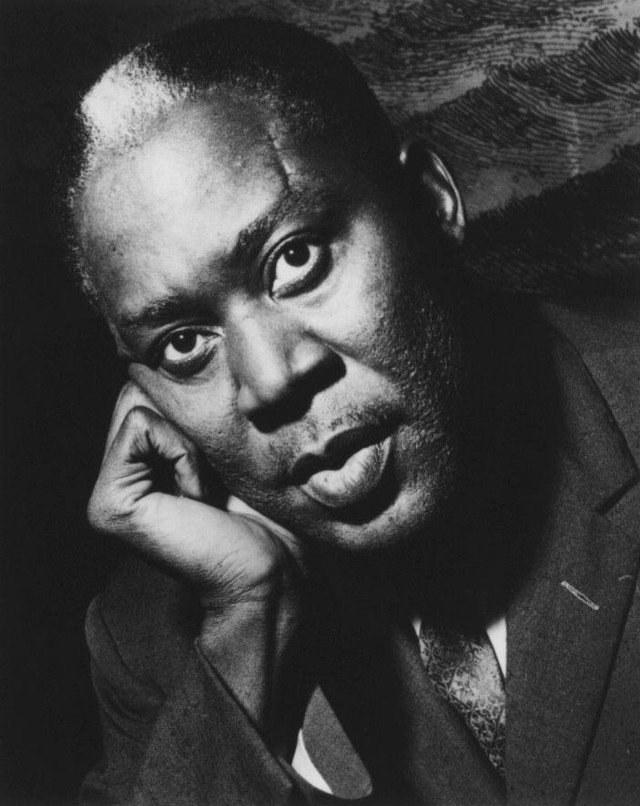
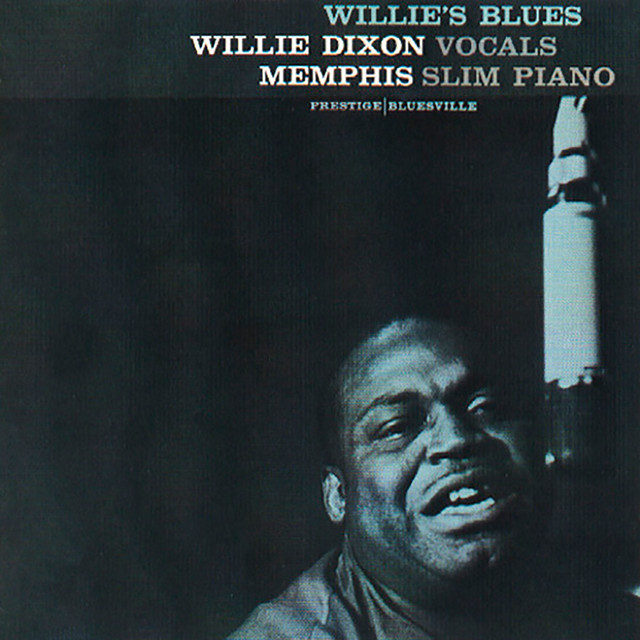


John Lee Hooker
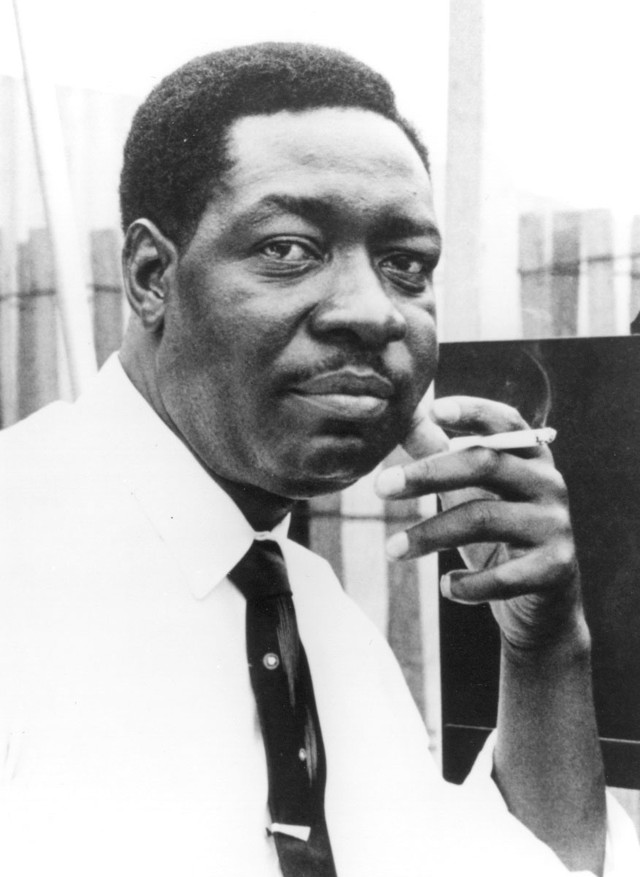

Orb Mellon
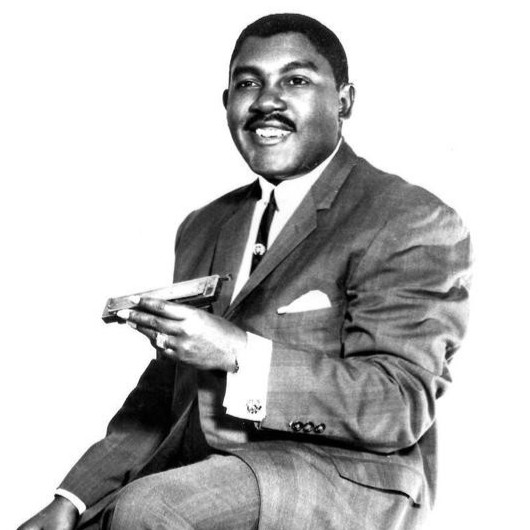



BO DIDDLEY